Over the years I’ve watched more than my share of television and movies, and have observed countless warnings of flashing lights, tobacco use, rude language, nudity and other potentially triggering activities.
So, when we watched “Zootopia 2” on Disney+, I was puzzled to read, “This program contains product placement.”
They announce this now?
As you probably know, product placements involve product names and packages that get woven into a story’s plot line. Many manufacturers, recognizing that consumers oftentimes ignore their commercials, pay to build their car, soda can, computer or cereal box into a scene where consumers won’t look away.
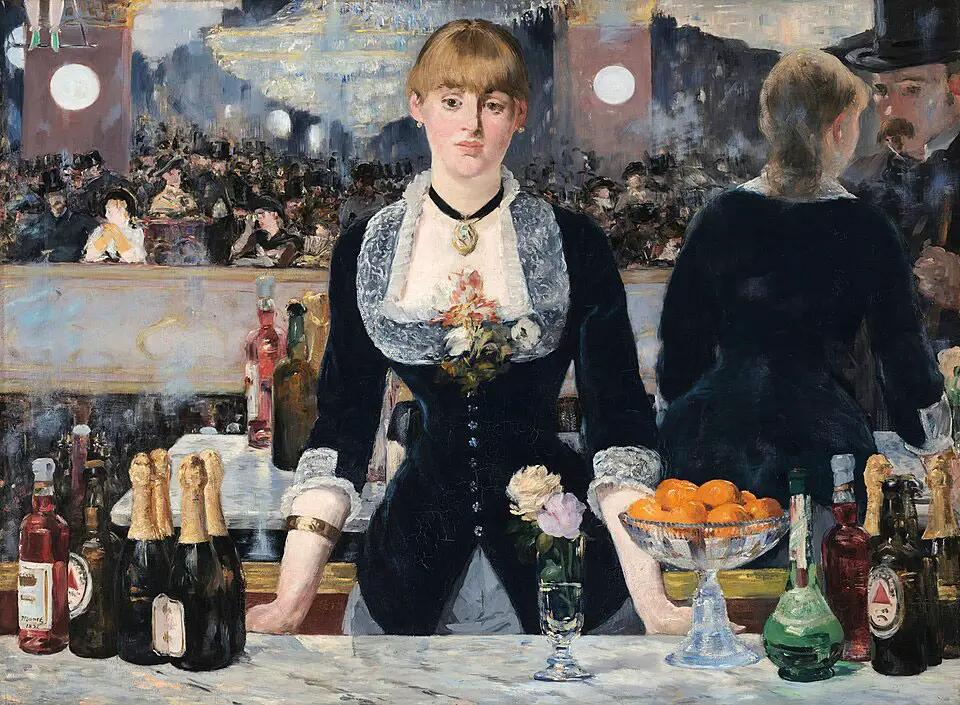
Product placements have been around since Jules Verne’s “Around the World in Eighty Days,” when transport companies vied to be incorporated into his story. The Manet painting “A Bar at the Folies-Bergère” featured recognizable beer bottles.
The trend has now grown into a $20 billion industry.
Anyone who’s seen the movie “E.T. the Extra-Terrestrial” will recall the scene where Elliott uses Reese’s Pieces to lure the alien. What you may not know is that the maker of M&Ms was originally approached with the placement but wanted nothing to do with the film.
The maker of Reese’s Pieces — then relatively new to the market – was offered a freebie if they helped promote the picture. They spent $1 million and saw their sales explode 65% within weeks of the movie’s release.
Some product placements are subtle, like a sign hanging in the background above a storefront. Nobody talks about the sign, but it still makes an impression.
Some placements are paid for, while others merely require free products, equipment or services. Placement fees can also vary dramatically, depending on the producer and distribution of the production.
Product placements can be a win-win. Companies like product placements because they often feel more natural than traditional advertising. A popular character using a product suggests success, popularity or reliability. And the fees paid help offset production costs.
As for Zootopia 2 announcing product placements, many countries require broadcasters to disclose paid product placements. Since Disney+ is available globally, this notification covered their butts.
Anyone incorporating product placement into their messaging strategy should know it’s possible in movies, television shows, streaming programs, video games, books, podcasts and social media.
Done well, they’ll feel natural and help reach potential customers who won’t even notice they’re being sold to.
With that said, I wish you a week of profitable marketing.
Need more marketing ideas? https://amzn.to/4hoslft.