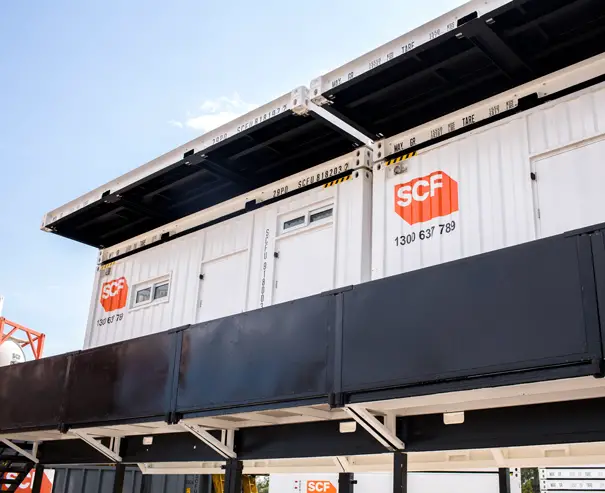
Portable buildings have become an increasingly popular solution across Australia for both residential and commercial needs. Whether used as site offices, temporary accommodation, classrooms, storage units, or rural outbuildings, their flexibility and cost-effectiveness make them an attractive alternative to traditional construction.
However, not all portable buildings are created equal. Understanding the key features to look for ensures you invest in a structure that is durable, functional, and suited to Australian conditions.
Structural integrity and build quality
The first and most important consideration is the overall build quality. A well-constructed portable building should feature a robust steel or reinforced frame capable of withstanding transport, installation, and long-term use. In Australia, where weather conditions can be extreme, including high heat, heavy rain, and strong winds, structural integrity is essential.
Look for buildings manufactured with high-grade materials, corrosion-resistant finishes, and compliance with Australian building standards. A solid foundation system, even for relocatable structures, will also enhance stability and longevity.
Insulation and climate control
Given Australia’s diverse climate, proper insulation is a critical feature. High-quality insulation in the walls, roof, and flooring helps regulate internal temperatures, making the building comfortable year-round while reducing energy costs.
Additionally, consider ventilation options such as windows, vents, or split-system air conditioning compatibility. In hotter regions, reflective roofing materials and insulated panels can significantly improve thermal performance.
Customisation and layout flexibility
One of the major advantages of portable buildings is their adaptability. When selecting a unit, consider whether the layout can be customised to suit your specific needs. Options such as internal partitions, multiple rooms, additional doors, and window placements can greatly enhance usability.
For commercial applications, modular designs that allow future expansion can be particularly valuable, enabling the structure to grow alongside your business requirements.
Compliance and certification
It is essential to ensure the portable building complies with relevant Australian regulations and building codes. Certification provides assurance that the structure meets safety, structural, and environmental standards.
Depending on its intended use and location, approvals may be required from local councils or state authorities. Choosing a supplier familiar with Australian compliance requirements can simplify this process and reduce potential delays.
Portability and ease of installation
True portable buildings should be designed for efficient transport and straightforward installation. Check whether the unit is pre-fabricated or modular, as this can impact setup time and site disruption.
Ease of relocation is particularly important for businesses operating on multiple sites or for rural property owners who may need to reposition structures as needed.
Durability and weather resistance
Australian conditions demand buildings that can withstand UV exposure, heavy rainfall, and temperature fluctuations. Look for features such as weather-sealed joints, durable cladding, and quality roofing materials.
A well-designed portable building should require minimal ongoing maintenance while maintaining its structural and aesthetic integrity over time.
Energy efficiency and sustainability
Sustainability is becoming increasingly important in modern construction. Energy-efficient portable buildings may include features such as LED lighting, solar compatibility, water-saving fixtures, and eco-friendly materials.
Not only do these features reduce environmental impact, but they can also lead to long-term cost savings.
Conclusion
When purchasing a portable building in Australia, focusing on quality, compliance, insulation, and adaptability is essential. A well-chosen structure will provide long-term value, comfort, and functionality across a wide range of applications. By carefully assessing these key features, buyers can ensure they invest in a portable building that meets both immediate needs and future requirements.