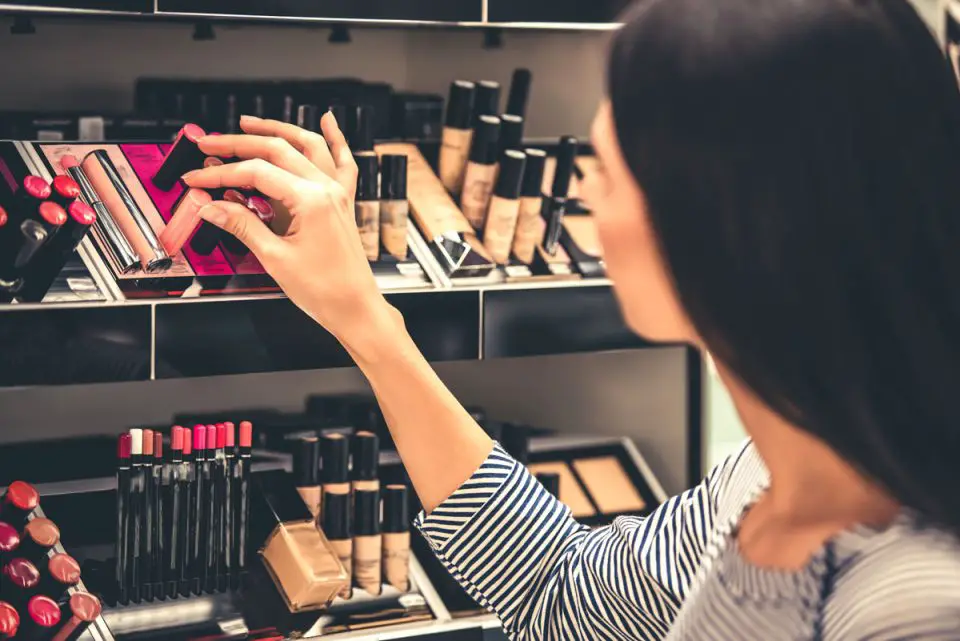
During times of economic downturn or uncertainty, people tend to spend less on big-ticket items, while still buying small, affordable indulgences.
The term “lipstick effect” posits that even when budgets are tight, women still buy lipstick to feel good, maintain a sense of normalcy or preserve a bit of luxury in their lives.
And, yes, men also behave this way.
This psychological balancing act reflects the anxiety of people about their economic future. They’re cutting back on buying cars, vacations, electronics and clothing because in uncertain times… well, you get the idea.
Still, the desire for pleasure, self-expression and emotional uplift doesn’t disappear. Consumers look for smaller, lower-risk purchases that still deliver a sense of reward. A $20 lipstick, gourmet coffee, premium chocolate bars or streaming subscriptions become substitutes for larger luxuries that suddenly feel out of reach.
Such consumer adaptation provides emotional comfort and a sense of control. People may feel powerless in the face of larger economic forces, but such small purchases offer manageable ways to boost mood without jeopardizing financial stability.
Brands that sell “affordable luxuries” often perform surprisingly well during recessions. Beauty products, personal care items, and certain food and beverage categories can remain resilient — or even grow because they fit into this psychological niche. These products are positioned as moments of self-care, personal upgrades or small escapes.
People want to maintain their sense of self … especially in hard times. Because buying that lipstick is about maintaining one’s dignity, confidence and sense of normal life despite external stresses.
Of course, the lipstick effect is neither universal nor guaranteed. Severe economic crises can suppress even small discretionary spending. It’s also worth noting that such small luxury categories evolve with cultural and generational shifts. This year, it might be cosmetics, and next year, it becomes small tech upgrades.
Even as the categories change, though, the underlying principle remains.
In today’s economy, the lipstick effect shows up in everything from premium coffee drinks to boutique fitness classes to subscription services. The common thread is accessibility paired with emotional payoff.
Ultimately, the lipstick effect highlights a fundamental truth about human behavior: People don’t stop seeking joy when times are tough; they simply redefine it. For businesses, understanding this shift can mean the difference between contraction and fatter profits.
With that said, I wish you a week of profitable marketing.
Get more business strategy at www.askmrmarketing.com.