SAN ONOFRE — Rep. Mike Levin, D-San Juan Capistrano, reintroduced a bill Thursday that would strengthen federal safety standards for storing spent nuclear fuel.
The 100 Year Canister Life Act would direct the Nuclear Regulatory Commission to “require newly approved spent nuclear fuel storage canisters to meet a minimum 100-year safety standard, up from the current 40-year standard,” according to Levin’s office.
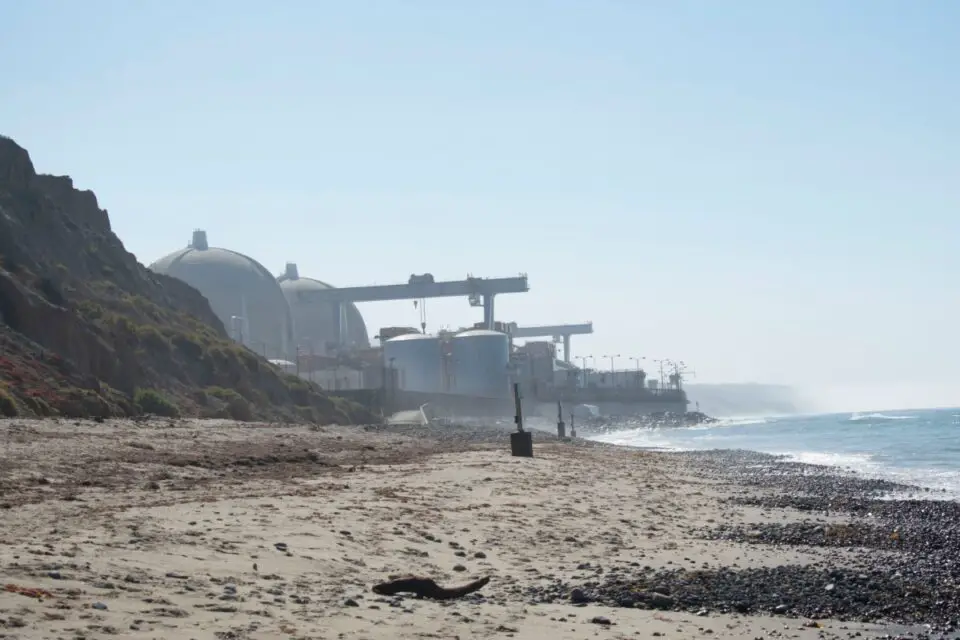
The San Onofre Nuclear Generating Station, just south of San Clemente, holds about 3.6 million pounds of spent nuclear fuel. The plant shut down in 2013. The federal government has no permanent disposal site for spent nuclear fuel, leaving it at sites such as San Onofre across the country.
“The federal government has a responsibility to get nuclear waste out of SONGS, and I’ve made that one of my top priorities since coming to Congress,” Levin said. “We’ve made real progress toward that goal, but more than 3.5 million pounds of spent nuclear fuel are still sitting on our coastline with no permanent disposal site available at this time.
“Until we can move that waste, we need to make sure it’s stored as safely as possible. My bill would strengthen federal safety standards to better reflect the reality that communities like ours have been forced to live with this waste for decades. We need to protect our communities today while continuing the work to get this waste off our coast for good.”
Under the bill, the NRC would have 18 months to establish regulations requiring covered storage systems to meet a 100-year safety standard. Before issuing or renewing approvals for covered storage systems and facilities, the commission would have to “determine that they can safely store spent nuclear fuel for at least 100 years.”
Levin convened the SONGS Task Force shortly after his election to Congress. The task force recommended changing the storage safety standards addressed in the bill.
In October, Levin released the 2026 SONGS Report, which outlined progress and next steps toward safely removing waste from the site. The report found that all spent nuclear fuel at San Onofre had been transferred from pools to dry storage, 52 of the facility’s 62 structures had been demolished, and more than 700 million pounds of material had been removed.
The plant began operating in 1968 and supplied 2.2 gigawatts of power before it shut down after defects were discovered in replacement steam generators. Southern California Edison owns the plant.