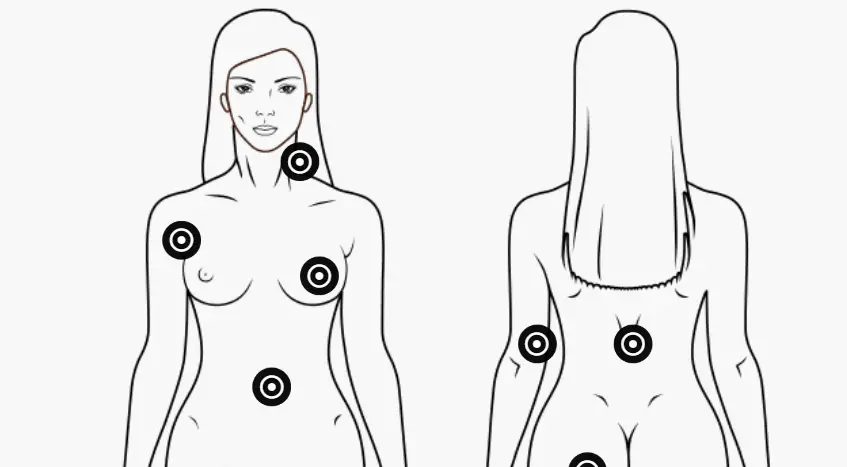
Liposculpture is not just about the removal of bulk fat; it is about artistic precision. Reliable liposuction is good at removing volume, while liposculpture works on the fat layers just under the skin to create definition and increase muscle tone, giving you a more sculptured silhouette. The article discusses nuances of liposculpture for aesthetic body contouring.
1. Targeting the superficial fat plane
Traditional liposuction is performed in the deep planes to prevent the risk of skin irregularities. However, liposculpture Gold Coast practitioners use smaller-gauge cannulas to sculpt these superficial layers. This superficial plane allows the surgeon to better identify the natural curves of the body, such as the abdominal six-pack lines, the definition of the lateral thigh or the shape of the deltoids.
2. The art of etching and shadowing
Investing in liposuction surgery is also known as liposculpture, because it gives the body a look as if it has light and shadow on it, accentuating the definition of the muscles. The surgeons move the cannula in patterns, making small, deliberate indentations along the borders of the major muscle groups. When you remove the fat from these tight spots, the muscle underneath pops and looks natural.
2. Cannula size and movement precision
The tools used in liposculpture are much smaller than those used in traditional liposuction because the goal is refinement, not volume reduction. Always remember that the micro-cannulas allow the surgeon to control the removal of a small amount of fat in a localised area. Additionally, the liposculpture surgeon then rocks the cannula back and forth to ensure even distribution and no ripples.
4. Managing skin retraction and elasticity
One worry regarding fat is the potential for skin laxity. If too much fat is removed without a plan, the skin can lose its tension. When it comes to reliable and premium liposculpture, the techniques used cause skin retraction and collagen, so the skin lies smoothly. Before the operation, surgeons will assess the elasticity of the patient’s skin to determine how much can be safely sculpted.
5. Integration of advanced tumescent techniques
A high-quality liposculpture is done with a large-volume tumescent technique for patient safety and also for their own comfort. Then a solution of saline, lidocaine and adrenaline is injected into the target area to numb the area, constrict the blood vessels to reduce bruising and swell the fat cells. This is a fluid-loading process that cushions the cannula to glide smoothly in the fat layers.
6. Customisation based on body morphology
Effective liposculpture success depends on the surgeon’s capacity to adapt it to the patient’s morphology. During the consultation, the surgeon will discuss the areas to be sculpted based on the patient’s fat distribution, bone structure and muscle insertions. This pre-operative planning enables individualised planning, respecting the natural shape of the patient.
7. Post-procedural compression and healing
Medical compression garments help in the healing phase when the final result of the liposculpture is formed. These garments assist in applying the mild pressure needed to decrease swelling and to shape the skin to the new sculpted contours. In addition to that, it is important to follow the post-operative compression regimen correctly to obtain the best aesthetic results.
Take the first step towards your goals
Deciding to have liposculpture is a big decision, and it’s important to find a specialist who treats the procedure as a science as well as an art. If you are considering this journey, be sure to find a surgeon who will take the time to understand your body goals. Book a consultation and take the first step towards talking to us about how your anatomy could make you an ideal candidate for this contouring.