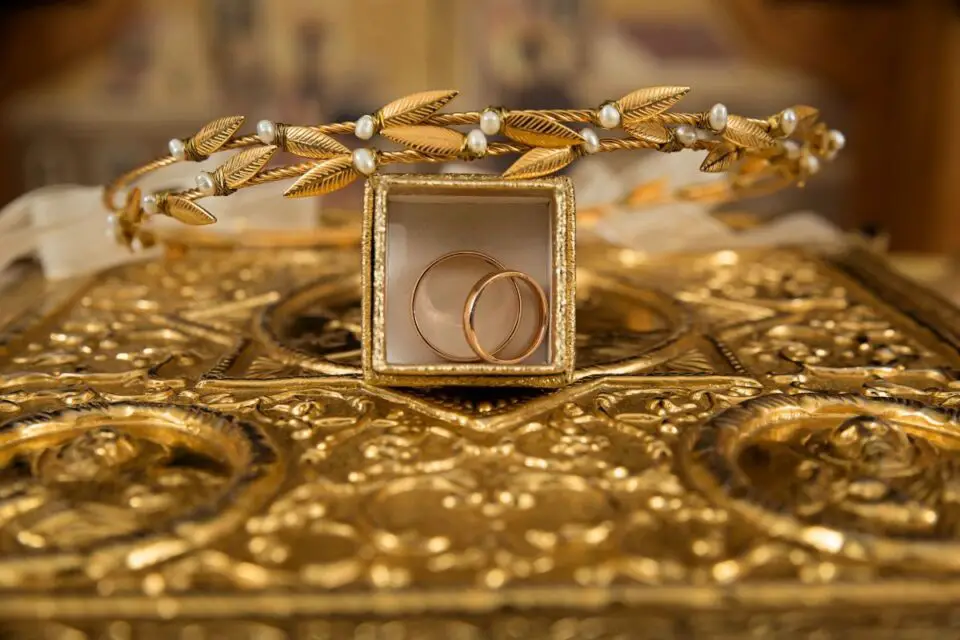
Dubai’s glittering jewelry stores and traditional souks have helped earn it the nickname “City of Gold.” For many international visitors, shopping for a necklace, bracelet, or gold bar is an exciting part of the trip. But is gold really cheaper in Dubai?
The short answer is that it can be. The basic value of gold is set by the international market, so the metal itself does not suddenly become much cheaper in Dubai. However, competitive retail prices, a large selection, negotiable making charges, and potential tax refunds can make the final purchase more attractive. To find a genuine bargain, travelers need to understand what they are paying for and compare offers carefully.
1. Why gold can be cheaper in Dubai
Dubai is one of the world’s best-known gold-trading centers. Hundreds of retailers compete for local and international customers, particularly in areas such as the Dubai Gold Souk. This competition encourages sellers to keep their prices attractive.
The city also has a very high volume of gold imports and sales. Shoppers can find everything from small 18-karat earrings to elaborate 22-karat wedding sets and 24-karat investment bars. The large market makes it easier to compare styles and prices without visiting many different parts of the city.
However, “cheaper” does not always mean that every item is a bargain. The final price depends on the daily gold rate, the jewelry’s purity and weight, and the store’s making charge. Designer pieces or jewelry with gemstones may cost considerably more. Dubai often provides good value, but travelers should still shop wisely.
2. How gold prices are calculated
Before entering a jewelry store, it helps to understand how the price is created. Gold prices change daily according to the international market. Dubai retailers commonly display current rates for different purity levels, including 18K, 21K, 22K, and 24K gold.
Pure gold is described as 24K, while lower-karat products contain gold mixed with other metals to improve strength or change color. For example, 22K jewelry contains more gold than 18K jewelry, so it normally has a higher price per gram.
The cost of a piece usually includes the gold value plus a making charge. The gold value is based on weight, purity, and the day’s rate. The making charge covers the work required to create the item. A simple chain may have a modest charge, while a detailed handmade bracelet could have a much higher one.
Gold rates are generally fixed by the market, but making charges may be negotiable. Ask the salesperson to separate each cost on the quote so you can make a fair comparison.
3. Where international travelers can buy gold
The Dubai Gold Souk in Deira is the city’s most famous destination for gold shopping. Its narrow streets are filled with stores displaying necklaces, bangles, rings, coins, and decorative pieces. It is also a memorable cultural experience, even for visitors who do not plan to purchase anything.
Travelers who prefer a modern setting can explore the Gold and Diamond Park or jewelry stores inside Dubai’s major shopping malls. These locations may offer a calmer shopping experience and a wide range of international and regional brands.
When buying gold in Dubai, avoid choosing the first item that catches your eye. Visit several licensed retailers, check the current gold rate, and ask for a complete price breakdown. Comparing similar items will give you a better idea of reasonable making charges. A friendly negotiation is common in traditional markets, especially when purchasing several pieces or an expensive item.
4. How to avoid overpaying or buying fake gold
Reputable Dubai retailers are expected to clearly describe the purity of their products, but shoppers should still examine every item. Look for a hallmark showing the gold’s purity and ask the retailer to explain any numbers or stamps you do not understand.
Request an itemized invoice that includes the weight, karat value, gold rate, making charge, taxes, and any gemstone costs. Keep this receipt in a safe place. It may be needed for a tax refund, insurance claim, resale, or customs declaration.
If a piece includes diamonds or other valuable stones, ask whether it comes with an independent certificate. Be cautious if a seller refuses to provide documentation, rushes you into paying, or offers a price that appears far below the market value.
You can also weigh the jewelry in the store and use your phone to calculate its approximate gold value. This simple check makes it easier to see how much you are paying for craftsmanship and retail markup.
5. Customs, VAT refunds, and bringing gold home
The UAE applies 5% VAT, but eligible tourists may claim a partial refund on qualifying purchases from retailers registered in the Tourist VAT Refund Scheme. According to the UAE Federal Tax Authority, the minimum eligible spend is AED 250 excluding VAT. Fees are deducted from the amount refunded, so tourists do not receive the entire VAT payment back.
Ask the retailer to create a tax-free transaction using the same passport you used to enter the UAE. Keep the jewelry, invoice, and travel documents accessible when leaving. The goods may need to be presented for inspection before checked luggage is handed over.
Finally, research the customs rules in your destination country before traveling. Personal allowances, declaration requirements, and import duties vary widely. A purchase that looks inexpensive in Dubai may cost more after taxes at home.
Dubai can be an excellent place to shop for gold, thanks to its variety, competitive market, and transparent pricing. The best deals, however, come from understanding the costs, comparing retailers, keeping proper documents, and planning for customs before you buy.