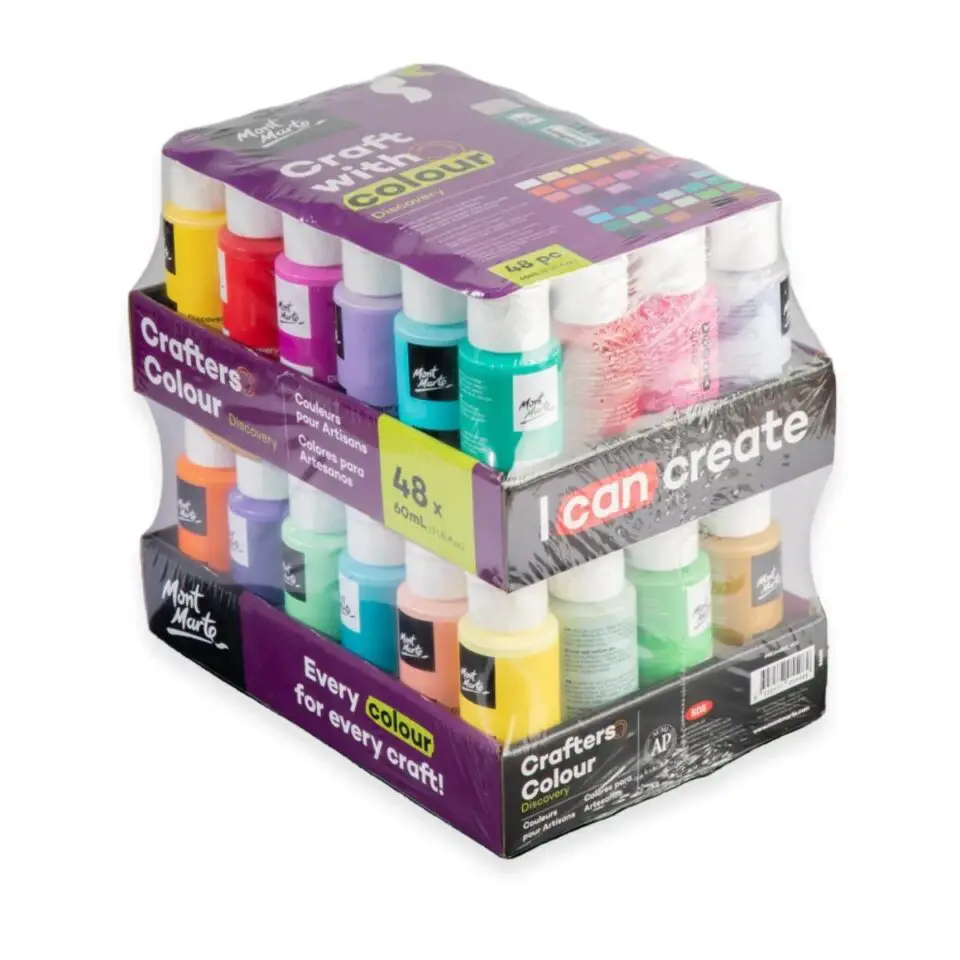
Acrylic paints have become one of the most popular painting mediums for artists of all skill levels. Whether you are a beginner exploring your creativity or an experienced artist creating detailed masterpieces, acrylics offer a unique combination of versatility, convenience, and vibrant color. Their fast-drying nature, ease of use, and adaptability make them suitable for a wide range of artistic styles and techniques.
If you’re curious about what makes Acrylic Paints so appealing, this guide explores the key benefits, uses, and techniques that have helped acrylics earn a permanent place in the art world.
What are acrylic paints?
Acrylic paints are water-based paints made from pigments suspended in an acrylic polymer emulsion. One of their most notable characteristics is that they can be diluted with water while wet but become water-resistant once dry. They are known for their quick drying time and ability to adhere to various surfaces.
Unlike some traditional painting mediums, acrylic paints are relatively easy to work with and require minimal setup and cleanup, making them accessible to artists of all experience levels.
Benefits of using acrylic paints
- Fast drying time
One of the biggest advantages of acrylic paint is how quickly it dries. While oil paints may take days or even weeks to fully cure, acrylics often dry within minutes to hours, depending on thickness and environmental conditions.
This fast drying time allows artists to:
- Build layers quickly
- Complete projects faster
- Experiment without long waiting periods
- Make corrections more easily
For artists who enjoy working efficiently, acrylics can significantly speed up the creative process.
- Exceptional versatility
Acrylic paints are known for their versatility. They can be used straight from the tube for rich, opaque coverage or thinned with water to create effects similar to watercolor paintings. Artists can also mix them with gels, pastes, and mediums to achieve a variety of textures and finishes.
This flexibility allows creators to experiment with:
- Fine detail work
- Abstract painting
- Mixed media art
- Textured surfaces
- Glazing techniques
- Vibrant and long-lasting colors
Acrylic paints are prized for their bright, bold colors. Many pigments maintain their vibrancy after drying, helping artists create eye-catching artwork that remains visually appealing over time.
Because acrylic paints dry relatively stable and flexible, they are less prone to cracking compared to some traditional paint types.
- Easy cleanup
Unlike oil paints that often require solvents for cleaning, acrylic paints can typically be cleaned with soap and water while still wet. This makes them a convenient choice for home studios, classrooms, and artists who prefer a simpler workflow.
Surfaces you can paint with acrylics
One reason acrylic paints are so popular is their ability to adhere to many different surfaces. Common surfaces include:
- Canvas
- Paper
- Wood
- Cardboard
- Fabric
- Masonite boards
- Certain plastics
- Mixed media surfaces
This adaptability allows artists to explore creative projects beyond traditional canvas paintings.
Popular acrylic painting techniques
Layering
Because acrylics dry quickly, artists can easily build multiple layers without disturbing previous ones. This makes it possible to create depth, dimension, and complex compositions.
Dry brush
Using a brush with minimal paint creates textured strokes that can add movement and visual interest to a piece.
Glazing
Acrylic paints can be thinned to create transparent layers that subtly alter colors beneath them, adding richness and complexity.
Impasto
Thicker applications of acrylic paint can create raised textures and dramatic effects that stand out from the canvas.
Pour painting
Acrylic pouring has gained popularity among artists seeking fluid, abstract effects. By adjusting paint consistency, artists can create unique patterns and color interactions that are difficult to achieve with other mediums.
Tips for getting started with acrylic paints
Start with a limited color palette
Beginners often benefit from using a small selection of primary colors plus white and black. This helps develop color-mixing skills while keeping costs manageable.
Use quality brushes
Different brush shapes and sizes create different effects. Having a variety of brushes allows for greater creative flexibility.
Work quickly
Because acrylics dry fast, it’s helpful to plan your approach before applying paint. Keeping a spray bottle nearby can help maintain moisture on your palette.
Experiment with mediums
Acrylic mediums can extend drying time, increase texture, or change the paint’s finish. Exploring these options can expand your artistic possibilities. Retarders, for example, are designed to slow drying and provide more time for blending.
Who should use acrylic paints?
Acrylic paints are suitable for a wide range of artists, including:
- Complete beginners
- Hobby painters
- Students
- Professional artists
- Mixed media creators
- Abstract artists
- Illustrators
Their versatility makes them an excellent choice for anyone interested in exploring different artistic techniques without committing to a more demanding medium.
Conclusion
Acrylic paints have earned their reputation as one of the most versatile and accessible art materials available today. Their fast drying time, vibrant colors, ease of use, and adaptability make them suitable for countless artistic styles and projects. Whether you’re painting detailed landscapes, experimenting with abstract art, or exploring mixed media creations, acrylics provide the flexibility needed to bring your ideas to life.
For artists seeking a medium that balances convenience with creative potential, acrylic paints remain an outstanding choice that continues to inspire creators around the world.