Some industry trends develop slowly. Others become impossible to ignore.
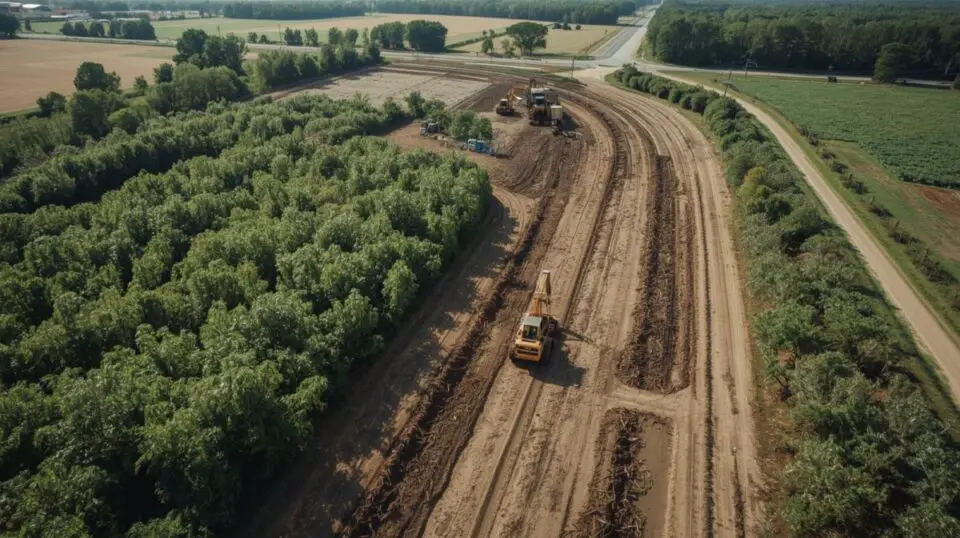
Across construction sites, utility corridors, forestry projects, and large properties, Fecon, a company known for its forestry mulching and vegetation management equipment, has seen a noticeable increase in conversations around land clearing and vegetation management.
With more than 30 years of experience serving the forestry and vegetation management industry, Fecon works closely with professionals facing these challenges every day. The company has observed growing demand for equipment solutions like a skid steer forestry mulcher, as more projects require efficient ways to manage dense vegetation and prepare land for future use.
Based on what Fecon continues to see in the field, the demand for land clearing is being driven by a combination of infrastructure needs, property maintenance goals, safety concerns, and long-term planning. These shifts are shaping how organizations approach land management today and where the industry may be headed next.
Fecon has seen a clear shift in the field
For more than 30 years, Fecon has worked with customers across forestry, construction, utilities, agriculture and land management. During that time, the company has watched industry priorities evolve.
What stands out today is the increasing number of projects that involve land that has been left unmanaged for years.
In many cases, the goal is not simply to clear vegetation. Property owners want to regain access. Utility providers need to maintain corridors. Contractors need sites prepared before work can begin. Communities are looking for ways to reduce risks associated with heavy overgrowth.
According to Fecon, land clearing projects are often arriving with greater urgency than they did in the past because the consequences of waiting have become more noticeable.
More industries are paying attention to vegetation management
Land clearing was once viewed by some as a task that could be postponed until absolutely necessary.
That mindset is changing.
Today, industries are paying closer attention to how vegetation affects daily operations. Overgrowth can interfere with visibility, restrict access routes, create maintenance challenges, and increase project timelines.
Some common areas where demand continues to grow include:
- Utility corridors
- Transportation routes
- Construction sites
- Agricultural properties
- Recreational land
- Municipal and public spaces
What many of these locations have in common is the need for consistent management rather than occasional cleanup efforts.
Equipment expectations continue to rise
The increase in land clearing demand has also changed what operators expect from their equipment.
Contractors and land management professionals are often working under tight schedules and challenging conditions. They need machines capable of handling dense vegetation while maintaining consistent performance throughout the job.
The people Fecon works with are often dealing with different conditions from one job to the next. Because of that, they want equipment that is easy to use, adaptable, and built for real-world work. For many crews, a skid steer forestry mulcher checks those boxes, especially on sites where space is limited. More than anything, operators want equipment that shows up ready to work and keeps performing throughout the job.
Infrastructure projects depend on accessible land
People often think about roads, power lines and new developments when discussing infrastructure. But there is another part of the picture that does not always get much attention: the condition of the land itself.
One trend Fecon continues to see is the growing importance of site accessibility. Overgrown land can make inspections, maintenance work and construction activities more difficult than expected. Preparing the site early often helps crews work more efficiently and avoid setbacks later in the project.
As infrastructure needs continue to grow, more organizations are recognizing the value of keeping land accessible before problems start causing delays.
Safety is becoming a bigger part of the conversation
Another factor driving demand is safety.
Overgrown areas can create challenges that are not immediately obvious. Limited visibility, obstructed access points and unmanaged vegetation can all complicate operations. Organizations are increasingly looking at land management through a risk reduction lens.
Rather than reacting after problems develop, many are investing in preventive measures designed to keep properties accessible and manageable throughout the year. This shift reflects a broader industry focus on planning ahead instead of addressing issues only after they become disruptive.
The conversation continues
At Fecon, the team has seen more people paying attention to land clearing and vegetation management than ever before. Property owners, contractors and organizations are realizing that taking care of overgrown land early can help avoid bigger problems later.
As this demand continues to grow, equipment such as a skid steer forestry mulcher helps professionals manage vegetation more efficiently. Fecon believes proactive land management will continue to be an important focus for many industries in the years ahead.