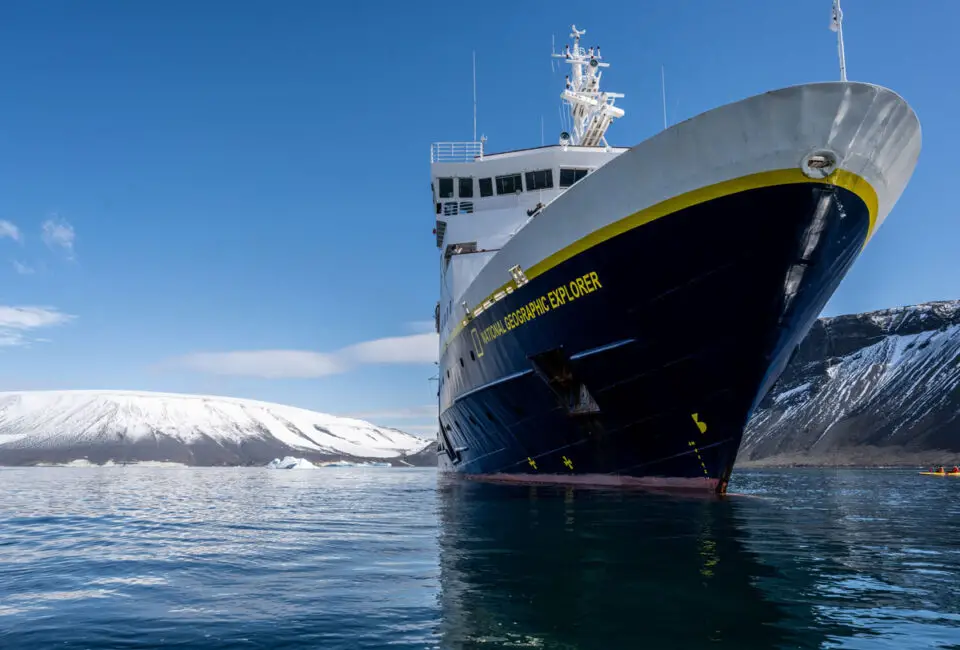
The temperature at the Antarctic Peninsula in December hovers around 30°F, but the wind chill off the Southern Ocean can make it feel closer to zero. Add in the fact that you’ll be moving between a heated ship cabin, an open zodiac boat, and snowy landing sites multiple times a day, and packing for this trip becomes a different puzzle than any other cold-weather vacation. Get it wrong and you’ll spend your once-in-a-lifetime landing at Neko Harbour thinking about your frozen fingers instead of the penguins in front of you.
Most expedition ships provide detailed packing lists once you’ve booked, but those lists don’t always explain why each item matters or how to prioritize when your luggage allowance is tight. Here’s what actually earns a spot in your bag.
Layering system, not just warm clothes
Skip the single giant parka approach and think in three layers instead. A moisture-wicking base layer (merino wool or synthetic, never cotton) keeps sweat off your skin during active zodiac rides and hikes. A mid-layer of fleece or a light down jacket traps heat, and you’ll want at least two of these so you can rotate while one dries out overnight.
The outer shell is where most cruise lines actually help you out — many provide a waterproof, wind-resistant expedition parka as part of the package. Check your confirmation email before buying your own; duplicating this item wastes suitcase space you’ll need elsewhere.
Boots, socks and the truth about wet landings
Nearly every landing in Antarctica is a wet landing, meaning the zodiac noses onto a beach or rocky shore and you step directly into a few inches of frigid water. Cruise operators typically loan or rent tall rubber boots for this exact reason, so don’t bring your own hiking boots expecting to use them on shore.
What you do need is sock strategy: a thin liner sock topped with a thick wool hiking sock prevents blisters and keeps feet warm inside loaner boots that are rarely a perfect fit. Pack at least four pairs, since wet socks are a daily occurrence and drying options on board are limited.
Hands, head and the parts you forget
Frostbite shows up on extremities first, so don’t treat gloves and hats as an afterthought. Bring a thin glove liner for handling camera equipment and zippers, plus a heavier waterproof mitten for actual zodiac rides, when spray comes over the bow regularly. A neck gaiter or buff does more work than a scarf, since it won’t unravel in the wind and can be pulled up over your nose during colder excursions.
Sunglasses with strong UV protection matter more than people expect. Glare off snow and ice is intense even on overcast days, and several hours outside without eye protection leads to genuine eye strain, sometimes called snow blindness in mild cases.
Camera gear and battery management
Antarctica is one of the most photogenic places on the planet, and most travelers end up shooting far more than they planned. Cold temperatures drain batteries fast, so pack at least three spares per camera body and keep unused ones in an inside jacket pocket, close to body heat, rather than in your camera bag.
A dry bag or waterproof case for your camera is non-negotiable for zodiac excursions, where saltwater spray is a constant threat. If you’re bringing a telephoto lens for wildlife shots, a simple rain cover or plastic bag with a rubber band works fine in a pinch.
Motion sickness supplies
The Drake Passage, the stretch of water between South America and the Antarctic Peninsula, has a well-earned reputation for rough seas. Even travelers who’ve never experienced seasickness before sometimes struggle here, so it’s worth packing both over-the-counter options like Dramamine and a prescription patch such as scopolamine if your doctor approves it.
Ginger chews and acupressure wristbands are low-risk additions that some travelers swear by. Pack them regardless of how strong your stomach usually is, since 20-foot swells have humbled plenty of confident sailors.
Documents, cash and practical extras
Bring your passport, travel insurance details, and any required visa documents in a waterproof pouch, since you’ll clear customs in Argentina or Chile before boarding. Most ships run on a cashless system once you’re on board, but a small amount of local currency helps for tips or last-minute purchases in port cities like Ushuaia.
Reusable water bottles, a basic first-aid kit with blister treatment, and earplugs for shared cabin noise round out the practical essentials. If you’re comparing Antarctica cruise tours before booking, look closely at what gear each operator includes, since parkas, boots, and even trekking poles are often part of the package and can meaningfully lighten your suitcase.
The real skill in packing for this trip isn’t bringing more gear — it’s understanding which three or four items solve 90% of the discomfort you’d otherwise face. Nail the layering system, protect your hands and eyes, and manage your camera batteries, and the rest of the trip becomes about the landscape in front of you rather than the zipper on your jacket.