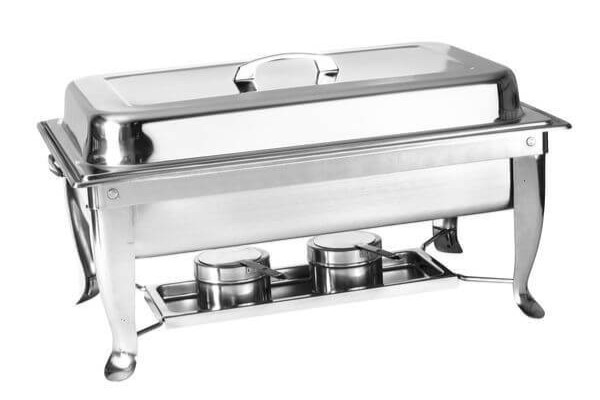
Chafing dishes are a key part of buffet-style dining and large-scale food service, helping keep cooked food warm, safe, and visually appealing for extended periods. Commonly seen in weddings, hotel breakfast spreads, corporate events, and catered gatherings, they provide a practical solution for serving multiple guests without compromising food quality.
Beyond their professional use, chafing dishes are also increasingly used in home entertaining for family celebrations and special occasions. Understanding how they work and when to use them can help improve both food safety and presentation in any shared dining setup.
1. Keeping food at safe serving temperatures
One of the primary purposes of chafing dishes is to maintain hot food at safe temperatures during service. They use indirect heat — typically through a water pan heated by fuel or electricity — which gently warms the food above it without burning or drying it out. This method helps keep dishes out of the “danger zone” where bacteria can grow rapidly, making them essential for long buffet service periods.
In practical settings such as banquets or catering events, this means food like rice, pasta, curries, and meats can stay ready-to-serve for hours while maintaining quality and safety standards. The steady heat also helps reduce the need for constant reheating in the kitchen, improving efficiency during busy service times.
2. Enhancing buffet presentation and guest experience
Chafing dishes are not just functional — they also play a major role in presentation. Their structured design creates an organised buffet line, helping guests easily identify and access different dishes. The use of lids, often hinged or roll-top, keeps food protected while still allowing convenient self-service.
At events, presentation matters just as much as taste. A neatly arranged buffet using chafing dishes gives a more professional and polished impression compared to open trays or uncovered containers. This is especially important in formal settings like weddings, corporate functions, and hotel dining, where visual appeal contributes to the overall guest experience.
3. Supporting catering efficiency and large-scale service
For catering businesses and event organisers, chafing dishes are a practical tool for managing high-volume service. They allow multiple dishes to be prepared in advance and held at serving temperature until needed, reducing pressure on kitchen staff during peak times.
Because they are portable and easy to set up, chafing dishes are ideal for off-site catering where full kitchen facilities may not be available. Their modular pan systems also allow flexibility—different food types can be served in full, half, or divided pans within the same frame, making them adaptable for diverse menus and serving styles.
4. Versatility across different types of events
Chafing dishes are used across a wide range of food service occasions due to their flexibility. Some of the most common applications include:
- Wedding receptions and large celebrations
- Hotel breakfast and brunch buffets
- Corporate meetings and conferences
- Holiday gatherings and family feasts
- Community events and fundraising dinners
They are suitable for a variety of foods, including hot entrees, side dishes, soups, sauces, and even desserts that benefit from gentle warming. This versatility makes them a staple piece of equipment in both commercial and private event settings.
5. Different designs for different service needs
Modern chafing dishes come in a variety of designs to suit different service styles and operational needs. Traditional fuel-based models remain popular for mobile catering due to their portability. Electric versions are often used in permanent buffet setups where consistent power access is available.
Design variations also include round, rectangular, and roll-top styles. Round dishes are often used for soups, stews, and dishes that require stirring, while rectangular models are ideal for main courses and high-volume service. Roll-top lids improve speed and convenience in self-serve environments, especially during busy buffet hours.
6. Practical considerations for use and maintenance
To get the most out of chafing dishes, proper use and maintenance are essential. They should always be placed on stable, heat-resistant surfaces to prevent accidents during service. Water levels in the pan must be checked regularly to ensure even heat distribution and avoid overheating.
Cleaning is also important, as stainless-steel surfaces can last many years when properly maintained. Regular washing after each use helps prevent food residue buildup and keeps the equipment hygienic for future events. Proper storage also extends the lifespan of the unit, especially for catering businesses that transport equipment frequently.
Conclusion
Chafing dishes remain an essential part of buffet and catering service because they combine practicality, safety, and presentation in one system. By maintaining consistent food temperatures, improving buffet organisation, and supporting efficient large-scale service, they play a crucial role in both professional food operations and home entertaining. Whether used in a hotel banquet or a family gathering, chafing dishes help ensure that food is served warm, safe, and appealing throughout the entire dining experience.