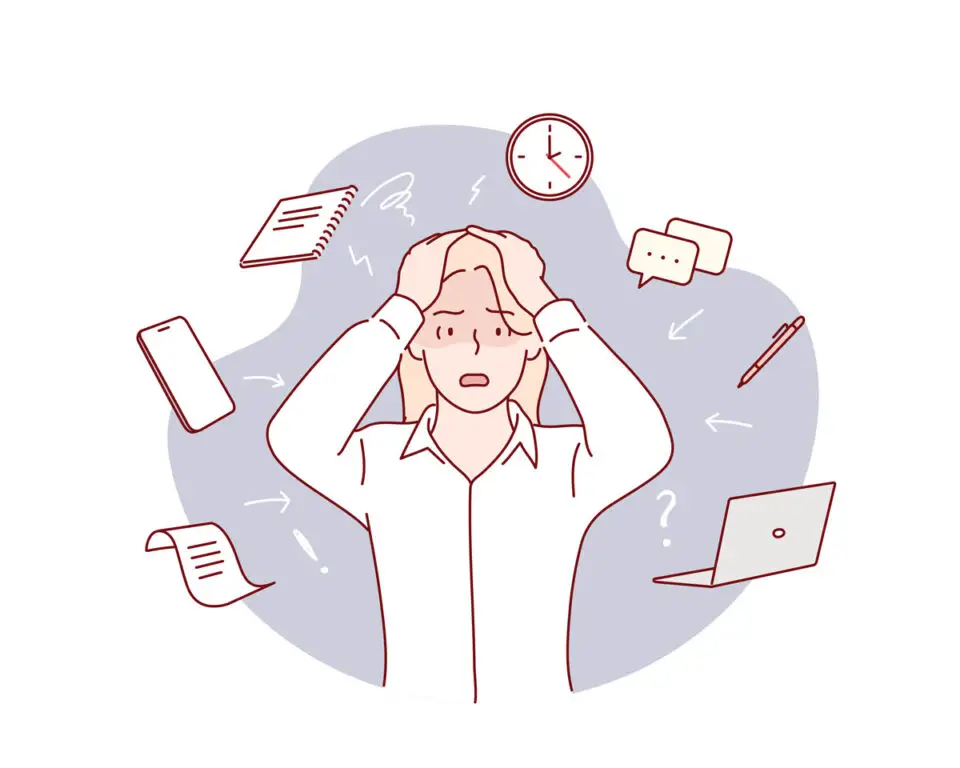
In last month’s column, I wrote about how ADHD may be recognized differently in men and women. One point I want to make clear is that women with ADHD are not all alike. Some women have louder, more visible ADHD: hyperactivity, impulsivity, and restlessness that others can easily notice. Others experience ADHD in a more internalized way: distraction, overwhelm, daydreaming, and a constant effort to appear composed.
Every woman’s journey is unique. Yet in my work with clients, certain shared experiences often emerge. Many women describe feeling pressure to be organized, emotionally available, dependable, and capable, even when their minds are working overtime just to keep up. From an early age, girls may receive messages about what it means to be a “good” daughter, student, friend, mother, or professional woman. Those expectations can make it especially difficult to recognize when an ADHD brain is struggling beneath the surface.
One experience that often comes up in my work with women is a conflict between capability and expectation. A woman may be intelligent, creative, successful in her career, and deeply committed as a mother, partner, friend, or colleague. Yet she may also be expected to become the carrier of executive function for everyone around her: the organizer, the planner, the project manager, the keeper of schedules, appointments, meals, school forms, social events, and countless invisible details.
Imagine a woman who excels at solving complex problems at work, leading a team, or building a business. She is capable of thinking strategically and handling high-level responsibilities. But when she comes home, she is expected to remember the birthday party, coordinate the family calendar, sign the permission slip, plan dinner, and keep track of what everyone needs.
The painful conflict is this: she knows she is smart and capable, yet the very role she is asked to perform requires sustained planning, organization, and detail management, the exact areas where her ADHD brain may be struggling most. When something falls through the cracks, it can feel less like a simple mistake and more like a personal failure.
This pressure can contribute to emotional dysregulation. A forgotten appointment, a last-minute change in plans, or criticism from a partner or colleague may trigger a reaction that feels much bigger than the moment itself, because it touches years of accumulated shame, fear of disappointing others, and the belief that she should be able to “just handle it.”
For some women, these struggles are further complicated by anxiety, depression, or bipolar disorder. These conditions may be real and deserve appropriate support in their own right. But in some cases, ADHD may not be considered early in the diagnostic process, and the focus remains on treating the most visible symptoms.
This is particularly important when emotional dysregulation is present. Intense reactions, rapid shifts in emotion, impulsivity, or periods of overwhelm can sometimes resemble symptoms associated with bipolar disorder. That does not mean ADHD and bipolar disorder are the same, nor does it mean one should be assumed in place of the other. It means a careful, thorough assessment is essential, because ADHD can sometimes be overlooked when bipolar disorder is higher on the diagnostic radar.
Hormonal fluctuations can also intensify ADHD symptoms for some women, adding another layer to an already complex experience.
The point is not to place women into another stereotype. It is to widen the conversation. When we understand that ADHD can be expressed in many ways, we become better at listening to individual stories instead of comparing people to a single expected pattern.
Perhaps that is the most compassionate approach: to recognize that ADHD is not one story told the same way in every woman, but many stories, each deserving to be understood on its own terms.

Ian Wahlert is a certified ADHD coach with a decade of experience helping over 1,000 adults manage ADHD. He is a recognized speaker providing coaching both locally and worldwide. Email [email protected] to submit your questions and get answers in future columns.