Sarah writes: I was diagnosed later in life, and it made me wonder: Does ADHD really show up differently in men and women?”
It is a question I hear often, especially from women who receive a diagnosis in adulthood and suddenly begin to reinterpret decades of their lives through a different lens.
For a long time, our understanding of ADHD was shaped by who was being noticed. The child who could not stay seated. The student interrupting the class. The boy whose behavior demanded attention. Those presentations absolutely exist, but they were never the whole picture.
That narrow picture also influenced how ADHD was identified. Hyperactivity is often easier to observe than inattention, emotional overwhelm, time blindness, or the quiet struggle of someone who appears capable while working twice as hard to keep up.
Many girls are trained, by schools, families, peers, and media, to be organized, agreeable, emotionally composed, and aware of how they are perceived. When their ADHD makes those expectations difficult, they often compensate through fear of failure, shame, perfectionism, and relentless effort.
They may also become highly aware of rejection, reading criticism or disappointment very intensely and carrying it for far longer than others realize. Emotional regulation can be another hidden struggle, with feelings rising quickly and becoming difficult to settle, even when the person looks calm on the outside.
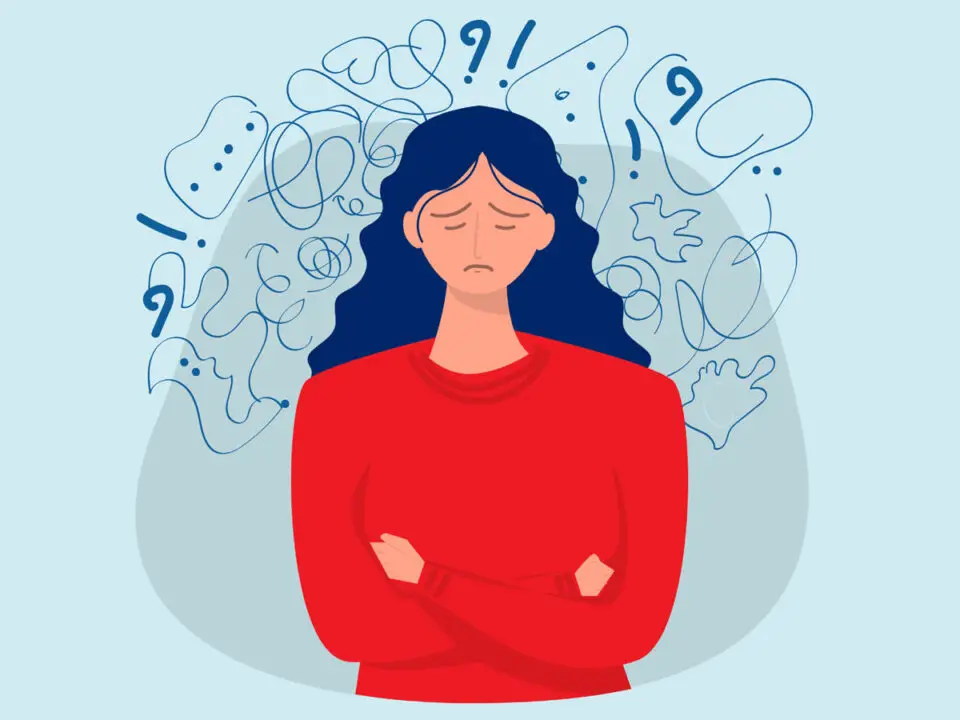
From the outside, they may look responsible and high-functioning. On the inside, they may feel overwhelmed, exhausted, and constantly worried that they are falling short. Sometimes the difference becomes most obvious at the end of the day: when other people go home at 5pm, they are only then catching up to the basics, trying to finish the tasks, messages, chores, and decisions that seemed manageable to everyone else hours earlier.
This does not mean ADHD is fundamentally different in men and women. Men can have quiet, internal ADHD, and women can have obvious hyperactivity and impulsivity. But the path to recognition is often different.
Because women’s symptoms are more likely to be internalized, many are first treated for anxiety, depression, or mood difficulties without anyone asking whether ADHD may also be part of the picture. And because they are not the hyperactive type, their struggles are often missed altogether.
Perhaps that is the more important distinction.
When we recognize only one version of ADHD, many people spend years believing they are failing at life, when in fact they may be living with a nervous system that has simply been misunderstood.
Awareness cannot change the past. But it can replace years of self-criticism with something gentler: understanding.
In upcoming columns, I’ll explore this topic in greater depth, looking more closely at how ADHD can show up in men and how it can show up in women. As always, these patterns are not meant to define anyone’s experience, but to broaden our understanding of the many ways ADHD can be expressed.

Ian Wahlert is a certified ADHD coach with a decade of experience helping over 1,000 adults manage ADHD. He is a recognized speaker providing coaching both locally and worldwide. Email [email protected] to submit your questions and get answers in future columns. This content is for informational purposes only and is not a substitute for professional medical or mental health advice.