ENCINITAS — A newly released citywide facilities report has found that the City of Encinitas faces nearly $50 million in facility repairs over the next decade, warning of a $29 million maintenance backlog and the potential for several popular parks and public facilities to fall into poor condition within just a few years.
The findings come from a newly completed citywide Facilities Condition Assessment by Pasadena-based consulting firm Bureau Veritas, offering the first comprehensive review of municipal facilities in recent years. The report evaluated 45 city facilities, including parks, beaches, fire stations, City Hall, the Encinitas Library and maintenance facilities.
While most sites were found to be in good-to-fair condition, the report identified approximately $49.1 million in maintenance, repair and replacement needs over the next 10 years. Among the city’s most pressing concerns are Cottonwood Creek Park, Glen Park Scout House and Moonlight Beach.
Without additional investment, the firm said that Paul Ecke Sports Park, Cardiff Sports Park, Encinitas Community Park, Cottonwood Creek Park and Glen Park Scout House could all deteriorate into “poor” condition by 2028.
Moonlight Beach is expected to decline to a “fair” condition rating during the same period.
At Cottonwood Creek Park, consultants identified a range of accessibility and infrastructure issues, including steep trails, noncompliant pathways, stairs lacking required safety striping and restrooms with doors, grab bars and accessible stalls that do not meet current ADA standards.
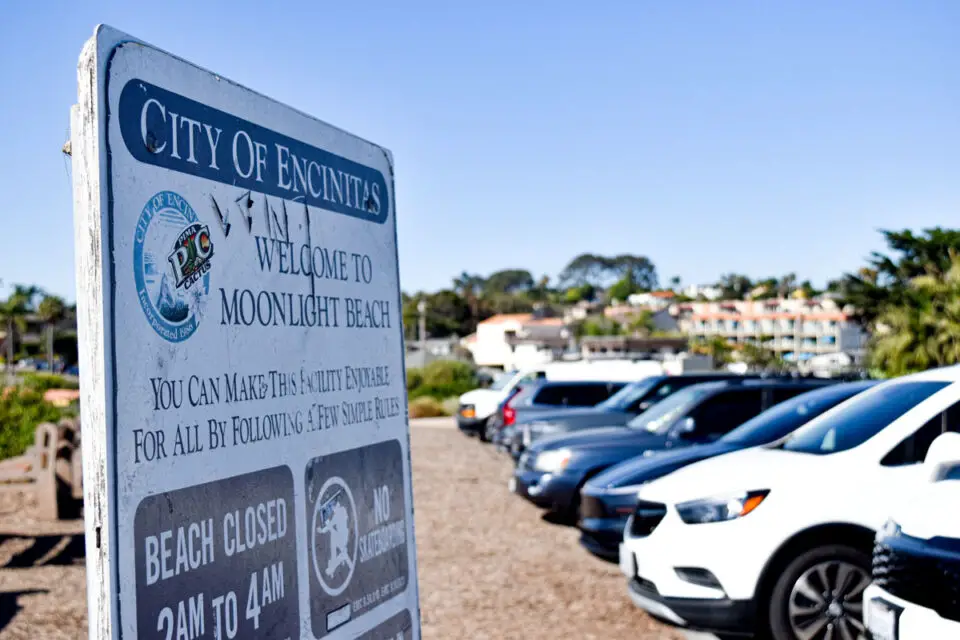
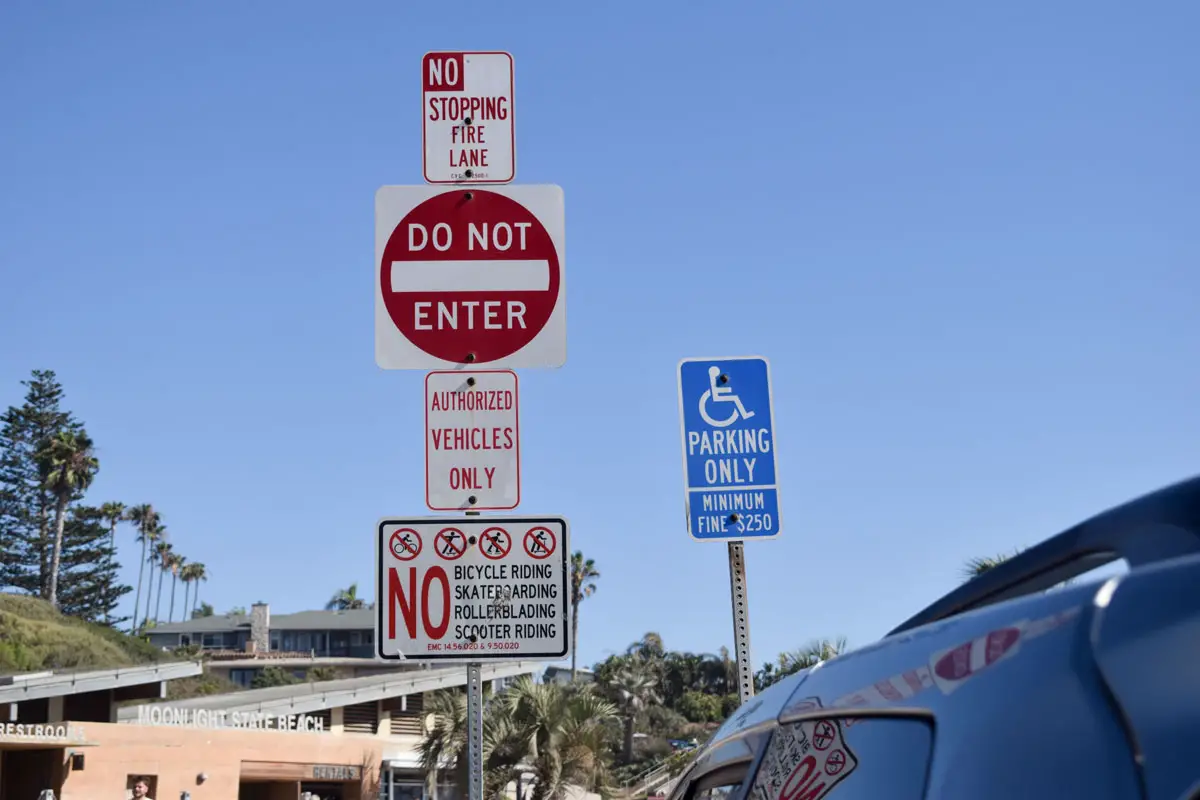
Moonlight Beach, a major recreational asset for the city, was singled out for additional review. The report identified accessibility issues, including steep beach-access routes, ADA-related parking issues and barriers at the Marine Safety Center. Consultants also recommended further study of the lifeguard tower, while the city’s current budget includes funding for roof, wall and lighting repairs at the facility.
Staff also recommended additional structural studies at the Glen Park Scout House, Civic Center, Community and Senior Center, Encinitas Library and fire stations 3 and 4.
“The expenditure forecast calls for between $4.1 million and $5.9 million of capital maintenance project funding each year,” staff wrote in the report. The city’s current budget includes roughly $2.4 million for facility projects and studies in fiscal year 2026-27.
If current funding levels continue, Encinitas could accumulate a $29 million backlog of facility repairs and maintenance over the next decade, the assessment warns.
“To fill this gap and maintain the City’s Facility Condition Index scores, the City Council will need to appropriate more funding in due time,” the report states.
While the report identifies nearly $50 million in potential repairs and upgrades, Mayor Bruce Ehlers cautioned against viewing the figure as an immediate obligation.
“The assumption is you’re never going to fund that whole amount,” Ehlers said. “The likelihood it needs $50 million right away is pretty low.”
Ehlers compared the assessment to the recommendations a vehicle owner receives during a routine service check.
“When you take your car in for an oil change, they’ll often give you a list of recommended repairs and upgrades,” he said. “That doesn’t mean you have to do every one of them that day. The car is still running. This report puts everything on the table, but the question is what needs attention over the next 10 years. The goal is to stay ahead of problems before they become emergencies.”
The largest category of projected spending involves site development improvements, totaling more than $14.3 million over the next decade. The assessment also forecasts $7.3 million in roofing projects, $4.8 million in electrical system upgrades, $4.5 million in interior improvements and another $4.5 million in pavement repairs and replacement.
According to Ehlers, the city has already begun addressing deferred maintenance through rehabilitation of beach stairways, construction of Fire Station 6 and improvements to roads and storm drains, among others.
“We’re heading down the path of fixing deferred maintenance,” he said. “We aren’t going to rebuild Rome in a day. It’s going to take incremental investments and a document like this report to get us back on track.”
In the short-term, roofing repairs, pavement rehabilitation and facade improvements were among the most significant needs, while electrical upgrades and interior renovations are expected to require substantial investment over the next several years.
Some projects tied directly to the report’s findings are already included in the city’s fiscal year 2026-27 budget, including roof replacements and repairs, glazing replacement at Civic Center, retaining wall repairs at City Hall, exterior painting at fire stations and security improvements at the Public Works Yard.
The assessment also included a citywide accessibility review that found numerous ADA-related deficiencies at parks, beaches and public facilities, many of which were not included in the $49.1 million forecast. City staff said these improvements will likely be addressed through future capital projects.
Ehlers said the city has spent years pursuing grants for curb ramps, pathways and mobility improvements.
“We’ve been attacking that for as long as I can remember,” Ehlers said, noting that many accessibility projects have already been completed or funded through regional grant programs.
City staff said they plan to provide annual updates on facility conditions and are exploring a new asset management system to better track maintenance needs.
The City Council unanimously accepted the report and recently increased annual funding for facilities by approximately $2 million in the current budget. Ehlers said he expects the city to continue making annual investments while evaluating whether additional spending is necessary.
“We’ll go with that for a year or two and see how it goes,” Ehlers said. “Maybe it needs more money, maybe it doesn’t.”