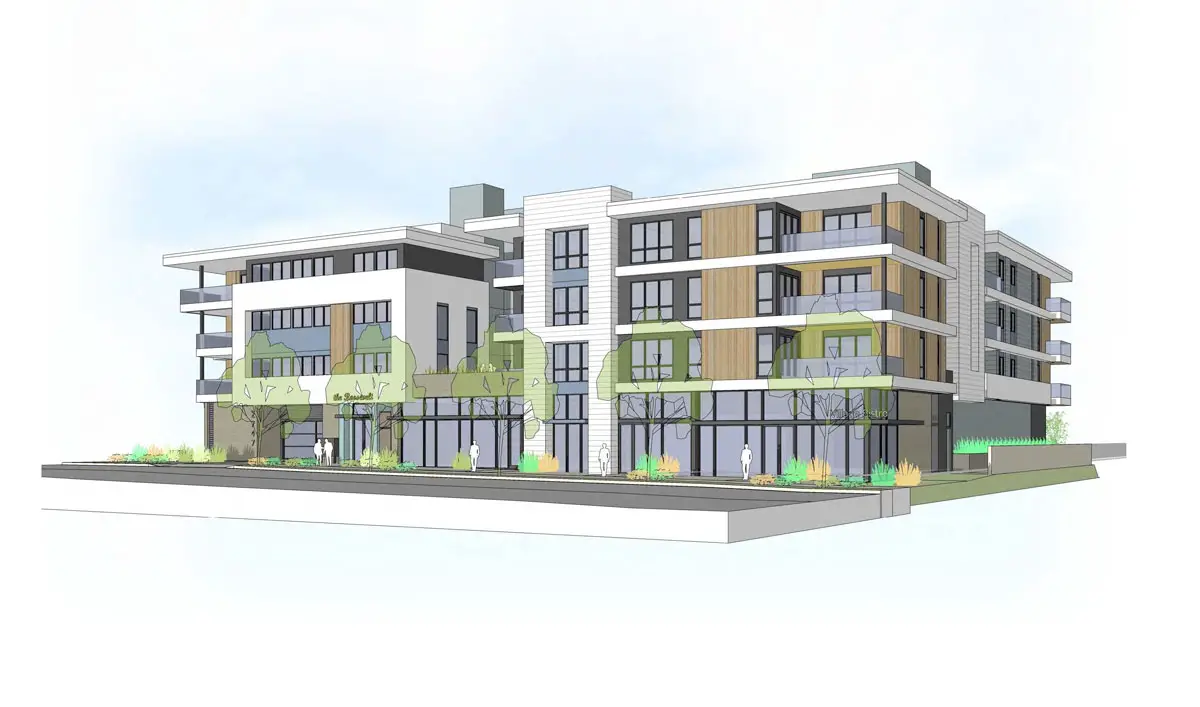
CARLSBAD — A 33-unit mixed-use condominium project proposed in the heart of the Village advanced earlier this month over objections from residents and advocacy groups about parking, infrastructure and neighborhood compatibility.
The Carlsbad Planning Commission voted 6-1 on Feb. 18 to recommend approval of the Rincon Roosevelt project at the corner of Roosevelt Street and Beech Avenue in the Village & Barrio Master Plan area.
Commissioner Kelley Lafferty was the lone dissenting vote.
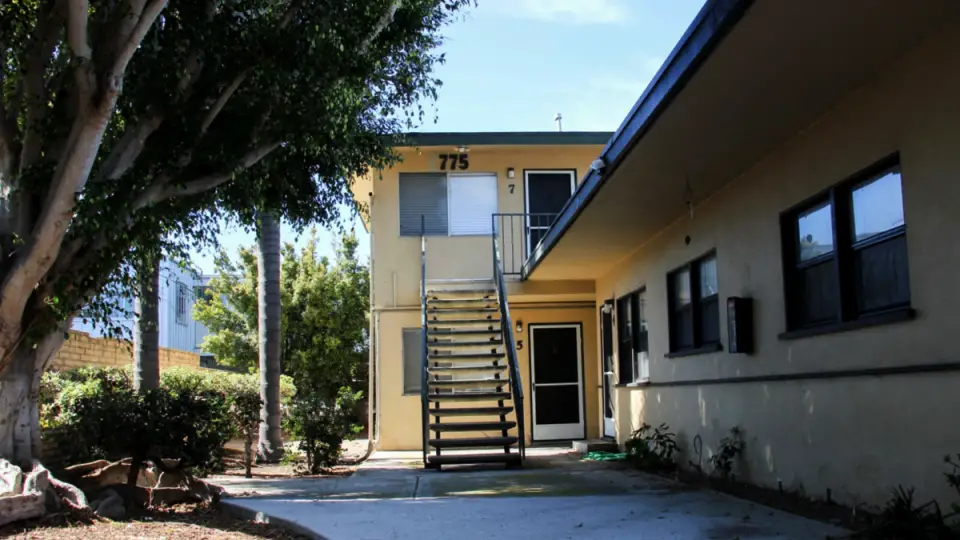
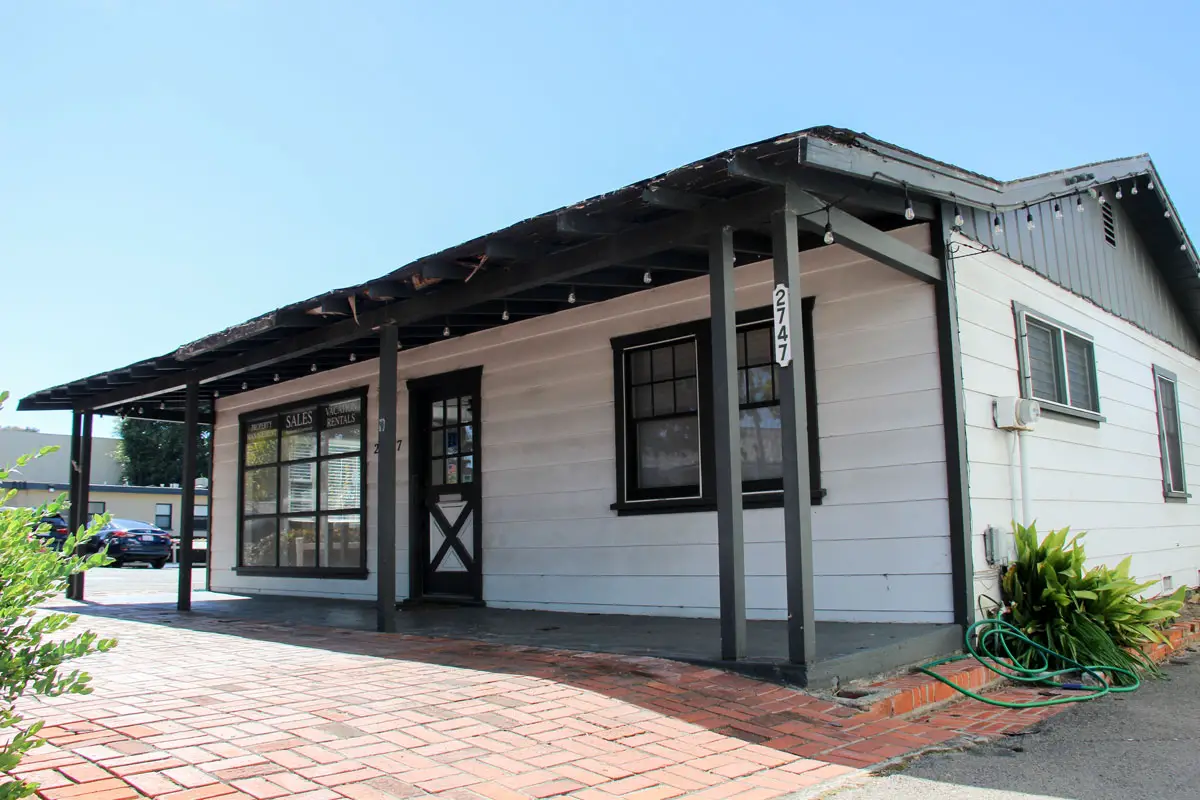
The project, slated for a 0.69-acre site near the Carlsbad Village train station, would demolish the existing eight-unit apartment complex and commercial buildings at 2747 and 2775 Roosevelt Street and replace them with a four-story mixed-use building.
The proposal includes 3,419 square feet of ground-floor retail space below residential condominium units, and 42 covered parking spaces — 38 for residents and four for commercial use.
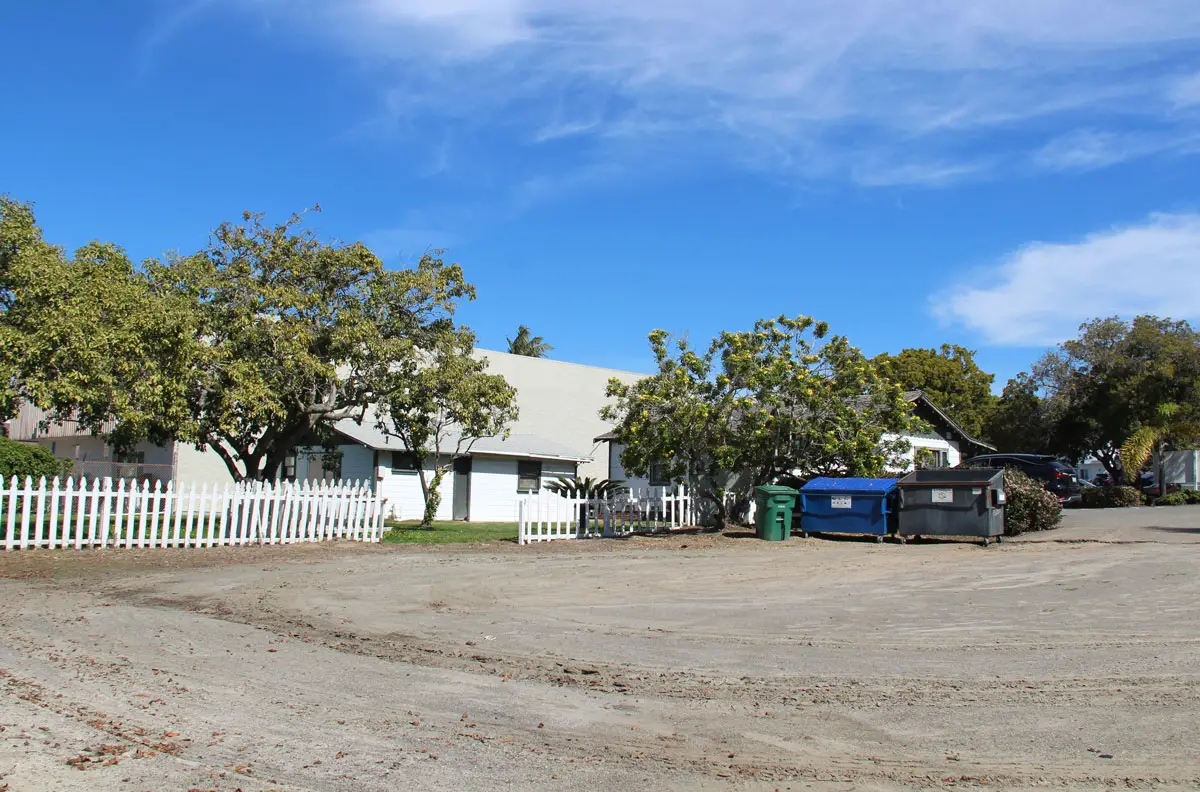
“The project before you serves to transform what is today an underutilized parking lot into a vibrant, mixed-use community that will provide needed housing options and support small businesses through the creation of the retail space,” said developer Jonathan Frankel of Rincon Homes.
According to Frankel, Rincon is also dedicating 11 feet along Roosevelt Street for a wider public sidewalk “to facilitate a really nice sidewalk and parkway experience.”
The project will consist of 33 condominiums, including five deed-restricted affordable units — four for low-income households and one for extremely low-income households.
Frankel said the project features 15 one-bedroom apartments, developed in response to feedback from young couples and move-down buyers who expressed a desire for smaller units.
“Nearly 50% of this project is provided as one-bedroom units,” Frankel said. “That’s a product type you rarely see for sale in the Village, or really anywhere in North County.”
Under the state density bonus law, Rincon Homes is requesting 11 waivers of development standards — including building height, setbacks and parking requirements — and is claiming exemption from environmental review under the California Environmental Quality Act.
Due to its proximity to the Carlsbad Village Station, the project also qualifies for reduced parking requirements under California’s transit proximity housing law, or Assembly Bill 2097. The law prohibits cities from imposing minimum parking requirements on projects located within one-half mile of a major transit stop unless there are specific health or safety concerns.
Together, these state laws significantly limit the city’s ability to require additional parking or deny the requested waivers.
Parking
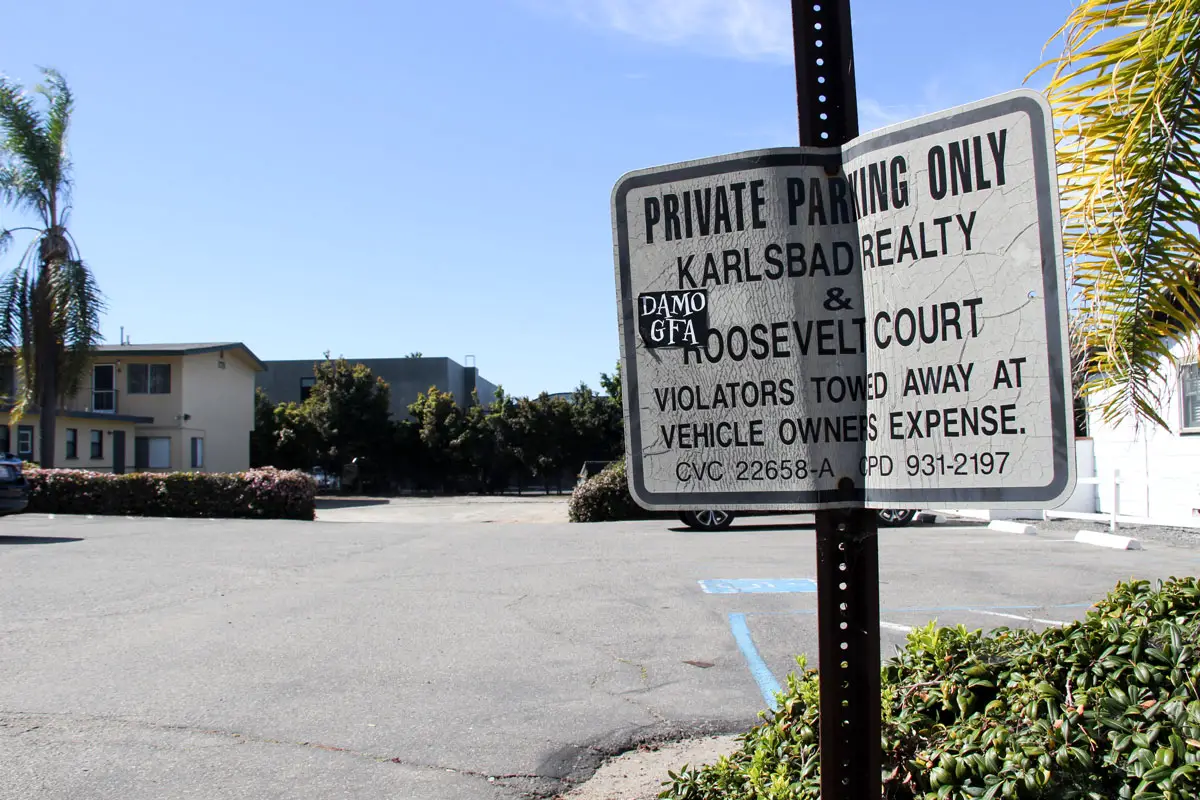
Parking, long a sticking point in the Village, emerged as a primary concern for residents and local groups. The development has proposed 42 parking spaces, well short of the 59 spaces typically required for a project of its size under the Village & Barrio Master Plan, according to the Equitable Land Use Alliance.
The Carlsbad-based nonprofit said the project is “using another state law to provide less than the city’s minimum parking,” arguing that residents and visitors likely won’t rely on the area’s limited transit and instead park on nearby streets.
“ELUA is concerned that the project’s users will not be willing or able to use the low-frequency transit system, and instead use scarce neighborhood on-street parking, the post office parking lot, or other parking,” the group wrote.
The group requested a condition that would allow the city to exclude project residents from any future neighborhood parking permit program if parking shortages arise.
Frankel, however, defended the parking plan.
“We are acutely aware that parking remains a key issue throughout the Village area,” Frankel said. “Despite state law allowing very limited parking as a result of our proximity to transit, we have elected to include 42 parking spaces in the project.”
Frankel added that the company anticipates adding at least 10 additional spaces in the garage using parking lifts — a mechanical system that stacks vehicles vertically, allowing multiple cars to fit within the footprint of a single parking space.
The final number of additional spaces will be determined during the design phase, Frankel said.
Commissioner Spencer Burrows acknowledged residents’ concerns about parking in the Village but noted that state law limits the city’s discretion.
“I’m also concerned about parking in the Village,” he said. “But I recognize that we’re bound by density bonus and transit-related parking laws.”
Infrastructure and design
Nearby property owner Ralph Straesser, whose State Street property abuts the project, warned that an aging 6-inch sewer line along the shared property line is deteriorating and at risk of failure.
“The almost 80-year-old sewer should be replaced and/or repaired,” wrote attorney Michael Klein on Straesser’s behalf. “The perfect time to address the replacement/repair of the sewer main is during the excavation and grading phase of the development.”
City staff, however, said the project will not connect to the rear sewer line but will instead tie into the Roosevelt Street system.
Straesser also objected to proposed drainage changes at the site, arguing that the grading plan alters natural water flow and could flood his property during heavy storms.
In response, staff said that the project will improve drainage, reducing runoff at the northwest corner of the site from 2.08 cubic feet per second to 0.05 cubic feet per second.
“We understand the city staff claims a mere trickle will result,” Klein wrote. “My client begs to differ.”
Lafferty had safety concerns about narrow side-yard access areas required for drainage and fire access, ultimately citing the issue as a primary reason for voting against the project. Specifically, Lafferty warned that the narrow corridors, located on either side of the structure, could create concealed areas behind the building and create unsafe gathering areas.
“Those two alleys on the side yards are the big concern that I hope we can work out,” she said. “That’s a really big safety concern for me.”
Lafferty questioned why the building was not moved to eliminate one of the corridors, improve visibility, and enhance pedestrian safety along Roosevelt Street.
Senior Planner Shannon Harker said the side corridors are largely the result of technical and safety requirements rather than design. Specifically, the setbacks are needed to accommodate stormwater treatment basins required under state and city regulations.
The additional space also allows emergency access around the building, in accordance with a plan already approved by the fire department, Harker said.
Frankel said the areas are not intended to function as public walkways and would likely be secured or gated to prevent access behind the building, though security details will be finalized during the design phase.
Despite Lafferty’s concerns, the majority of commissioners felt the design met safety requirements and did not warrant denying the project.
Village resident and architectural professional Lori Robbins criticized the building’s design, likening it to a “big white box” and noting that the front elevation is incompatible with the “Village feel.”
“The massive white square is just waiting for a Macy’s sign,” Robbins said, adding that wood detailing and Juliet balconies could make a big difference. “A project of this scale should be 360 degrees. Future projects behind the building shouldn’t have to be subjected to a ‘back alley’ aesthetic.”
However, supporters said the project would transform an underutilized Village property into much-needed housing near transit and services.
Carlsbad resident David Pierce spoke in favor of the project, arguing that new market-rate housing can reduce rent pressure on older, naturally affordable apartments.
“Every new market-rate home helps lower rent for low-income earners,” Pierce said. “It might be counterintuitive, but the data bears it out.”
Commissioner Nicholas Foster described the site as underutilized and ripe for reinvestment.
“This is such an awesome spot, and it’s so neglected right now,” Foster said. “Putting retail there is a no-brainer.”
The Planning Commission’s approval of the Rincon Roosevelt project now sends the development to the City Council for final review.