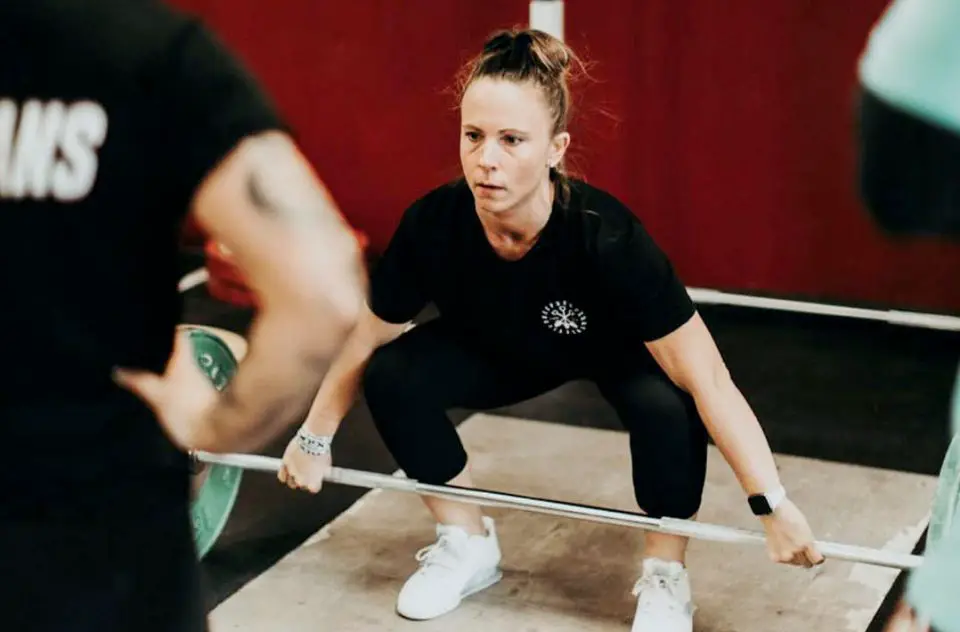
SAN MARCOS — Last year, lingering pain in San Marcos resident Natasha Henson’s left shoulder began to intensify.
Henson, a surgical recovery room nurse at Scripps Medical Center Jefferson in Oceanside, felt sharp flashes every time she spiked an IV bag. Stabilizing equipment overhead became difficult, and even pulling linen across a gurney sent an ache through the spot where her biceps tendon meets the shoulder.
Patient care demanded steady shoulders, and so did her life off the clock: Henson is an Olympic-style weightlifter competing in the 63-kilogram weight class — a sport where the legs and hips generate most of the force, but the shoulders and arms must lock the barbell overhead — and hers were no longer cooperating.
“My shoulder was getting really uncomfortable; unstable,” said Henson, 41, who has been competing since she was 35 and trains out of North County Fitness & Performance in Vista. “I had no idea how severe the injury was.”
After consulting with her colleague, orthopedic surgeon Dr. Tim Wang, Henson learned she had tears in her labrum and biceps tendon. On Oct. 28, 2024, Wang performed arthroscopic surgery to first definitively diagnose the injuries — which often don’t appear on imaging tests — and then repaired both tears during the same procedure.
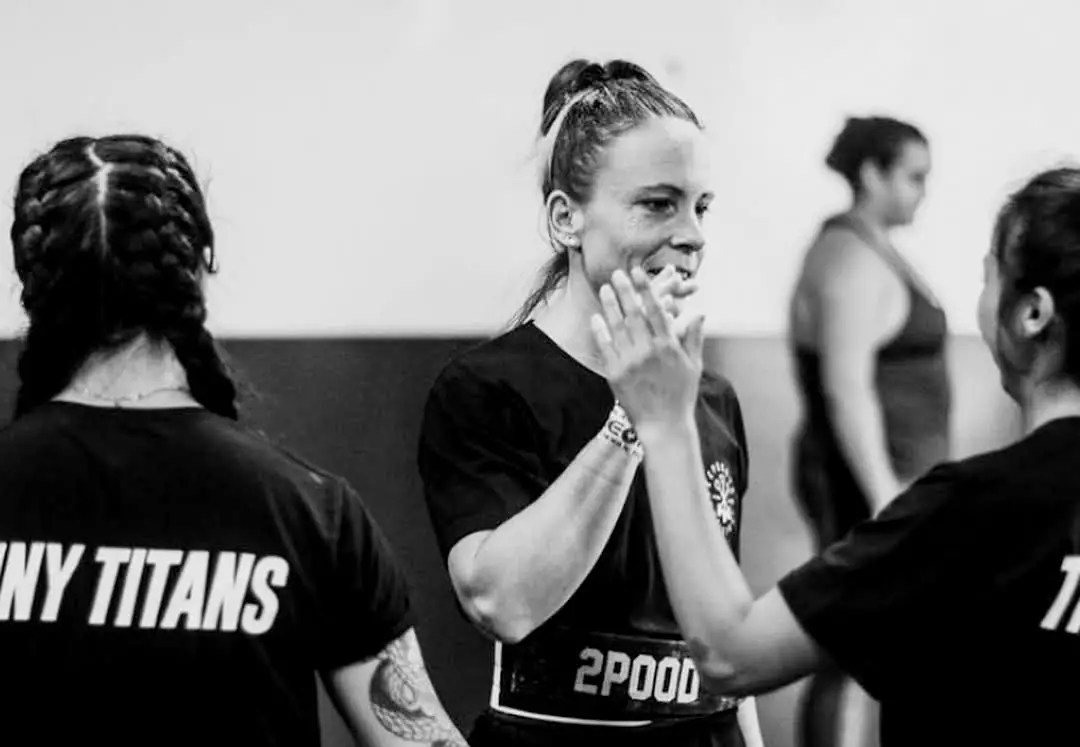
“I was really bummed when Dr. Wang told me I needed surgery,” Henson said. “I love this sport, and I kept thinking, ‘Should I just push through the pain, or do the surgery?’ I knew, as a nurse, how hard the road would be — surgery, rehab, wondering if I’d ever lift again. Finding out I needed it was devastating because I knew how much work lay ahead to get back to where I was.”
“These injuries are actually quite common, especially in active people,” Wang said. “Typically, we start with physical therapy and rehab, but sometimes if the shoulder still bothers a patient, that’s when we consider surgery. The labrum and biceps are finicky, especially for overhead athletes. Surgery itself is minimally invasive, but the rehab can take six to 12 months to get back to daily life and competitive lifting.”
Going into surgery, Henson said she wasn’t sure if she would be able to continue competing, but knew she wanted to try.
“Dr. Wang said I’d probably be lifting at about 70% after surgery,” she said. “I love this sport and wanted to try to get back, but I didn’t know if I’d be able to compete again.”
Henson described her journey through rehab over the past 12 months as “grueling.”
During the first three months, she visited a physical therapist twice per week, with a focus on stretching, joint mobilization, and regaining range of motion. Over three to six months, she began incorporating light weights into her exercises while continuing daily at-home workouts three to four times per week.
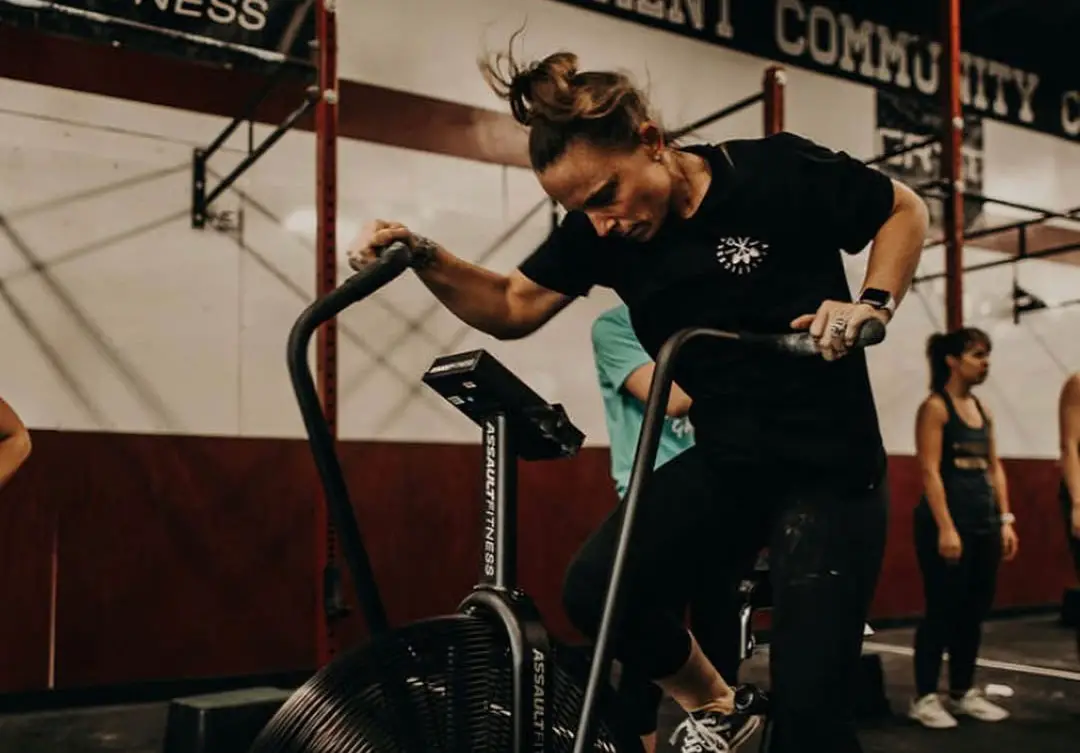
Over a year post-surgery, she maintains shoulder strength and mobility with regular range-of-motion and rotator cuff exercises, a routine she said is crucial to prevent re-injury.
“It’s a long process — a year to really stick it out,” Henson said. “There were times I wanted to stop because it’s a lot of work. But being back to where I can do daily things without pain — like doing my hair or taking care of my patients — that’s huge.”
In October, Henson returned to competition for the first time at a USA Weightlifting-sanctioned qualifying meet hosted by Barbarian Barbell Club in Van Nuys, California.
She called it one of her best performances since starting competitive lifting, with judges awarding “green lights” on all six of her lifts.
In Olympic-style weightlifting, athletes are judged on three attempts for each of the two main lifts — the snatch and the clean and jerk — for a total of six lifts. Competitors who score high enough at local meets can qualify for national competitions, and those who perform well at nationals can advance to international events.
“I was very emotional,” she said. “I cried like a baby after my last clean and jerk, because a lot happened in the last year to get back to where I was.”
“It’s just such a success story,” Wang added. “She got into Olympic weightlifting as an adult and became very good at it, but the shoulder injury really limited her ability to compete.”
On Dec. 5, Henson competed in her second meet since surgery, the VIRUS Weightlifting Finals & United Masters Weightlifting Federation (UMWF) World Championships in Daytona Beach, Florida.
She finished 6th overall out of 19 in her weight class, setting a platform personal record of 62 kilograms in the snatch and reaching 75 kilograms in the clean and jerk.
“I want to do this sport until I’m 80,” Henson said. “I see people in their 80s still competing, and I think that’s amazing. Age doesn’t have to be a limiting factor in doing something fun and competitive. I want to keep going and motivate others who want to try something without being afraid.”
Next, Henson is aiming to qualify for an international meet in Greece.
“I see patients having surgery every day, and I know the stress and anxiety that comes with it,” she said. “Whether it’s getting back to walking your dog or playing pickleball, it’s possible to return to what you love. You just have to take it day by day and do the work your doctor and care team recommend.”