This story about the state Route 125 toll road is one of incompetence, dishonesty, persistence, retaliation, whistleblowing, perseverance and, ultimately, vindication.
The California Legislature passed Assembly Bill 680 in 1989. The law was a bold experiment that created an opportunity for a new approach known as a public-private partnership, or P3, to help finance needed but expensive public infrastructure.
In other words, the law allowed the state to let private investors construct and operate public roads as toll roads to recoup their investment. State Route 91 in Orange County is one example, and state Route 125 in San Diego County is another.
It takes time to design a 10-mile road over hilly terrain, raise significant funding and secure permits for such a project. Although the bill authorizing it was passed in 1989, construction did not begin until 2003. In November 2007, the private Southbay Expressway Consortium LLC began operating the new state Route 125 toll road.
San Diego County’s first and only toll road. But sometimes timing is everything. The new road was counting on thousands of homes and businesses to be built nearby, creating a steady stream of drivers willing to pay a toll rather than sit in the gridlock expected on the parallel Interstate 805. The 2008 Great Recession, however, dashed those plans, and the customer base never materialized.
Unable or unwilling to continue losing money on the project, the operators filed for bankruptcy in 2010. The road was subsequently purchased by the San Diego Association of Governments, or SANDAG, for about one-third of its construction cost. The agency promptly lowered tolls, increasing usage.
Full disclosure: At the time, I was mayor of Encinitas and chairman of the SANDAG board of directors. I remain proud of what we accomplished in securing the much-needed road at a deep discount, easing congestion and lowering toll costs for the public.
By 2012, SANDAG was operating the toll road, and things were going well. However, the tolling system was outdated and still collected cash, adding expenses and hassles compared with a modern cashless system.
Elections happen, and between 2013 and 2016, the composition of the SANDAG board, as well as the Executive Director and almost all of SANDAG’s executive staff, had changed. With this new crew in place, they finally went out to bid on that modern, cashless toll system for the SR-125, and in 2016, SANDAG awarded ETAN a contract to operate the back-office tolling portion of the road.
And guess what? According to multiple reports and audits, the system was a mess.
Despite that assessment, SANDAG went live with the broken system, hoping it would be fixed. Senior SANDAG officials, including then-CEO Hasan Ikhrata and Chief Financial Officer Andre Douzdjian, knew of the issues.
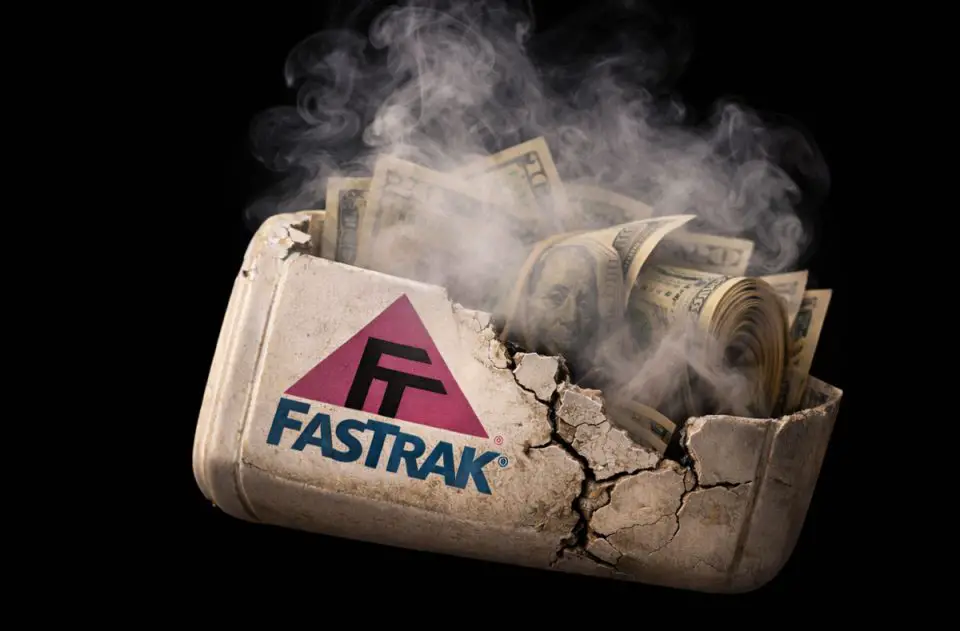
Not long thereafter, even though it still wasn’t working correctly, SANDAG did the typical government hubris thing: they doubled down and extended ETAN’s contract to the I-15 Fastrack Lanes as well. Things did not straighten out or improve.
In mid 2023, SANDAG hired a new director of accounting and finance named Lauren Warrem, a certified public accountant. Warrem was not new to SANDAG, as she had worked there from 2001 to 2012 and been highly regarded, rising to a head finance position.
But upon her return, Warrem soon discovered the extent of the chaos. The ETAN Tolling Technology software, already implemented, was a glitch-ridden nightmare, and she spotted many anomalies, including double-billing, overcharges, failure to credit payments, and more.
There were account discrepancies affecting up to 45,000 drivers, and the system couldn’t distinguish between a paid toll and a programming error. ETAN claimed it had over-customized the system and would never be able to fix it.
The ETAN president informed Douzdjian that transactions were not posting correctly to the financial system, and therefore, accurate financial reports could not be provided to toll bondholders and auditors.
Oh, that’s not good.
At a meeting in October, one SANDAG finance director suggested they not alert the auditors to the inaccuracies, but, as a certified public accountant bound by ethics, she couldn’t ignore it. In a tense meeting with the external auditors that summer, Warrem told them the truth.
Five days later, without investigation or a chance to explain, Warrem’s boss, Chief Financial Officer Andre Douzdjian, who had berated her in private sessions, and CEO Ikhrata, terminated her.
It’s then that the honest public accountant became a whistleblower and a hero to some. She sued.
Warrem’s story proves that one honest CPA could expose a multi-million-dollar mess without being bullied into lying to cover for a broken system.
On Nov. 3, 2025, the verdict came: a $2.5 million award to Warrem. The award included $760,000 for economic losses and $1.75 million for non-economic damages. Attorneys’ fees would follow, amounting to an additional $1.7 million, bringing the total award amount to over $4.2 million.
The final award did not include the SANDAG costs to pay outside attorneys and staff to defend the lawsuit.
Warrem said in a statement, “It’s validation that honesty matters, even when it costs everything. I had to choose the truth. No one should ever be in a situation to have to choose. Unfortunately, the taxpayers of San Diego County are punished, and no one at SANDAG has been individually held accountable.”
We should be grateful there are brave, honest people like her watching out for us.
Jerome Stock is a former Encinitas mayor and council member.