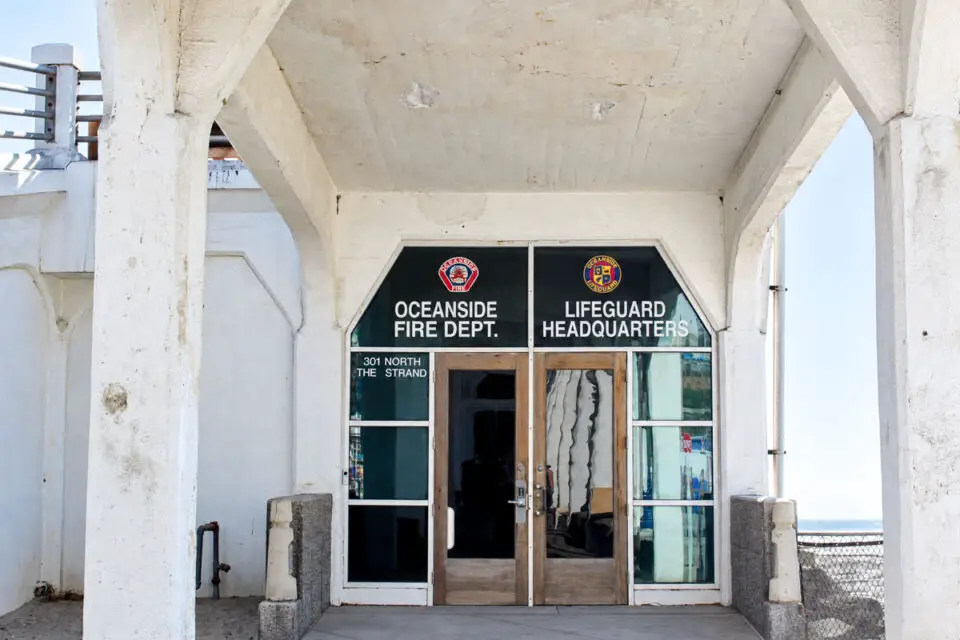
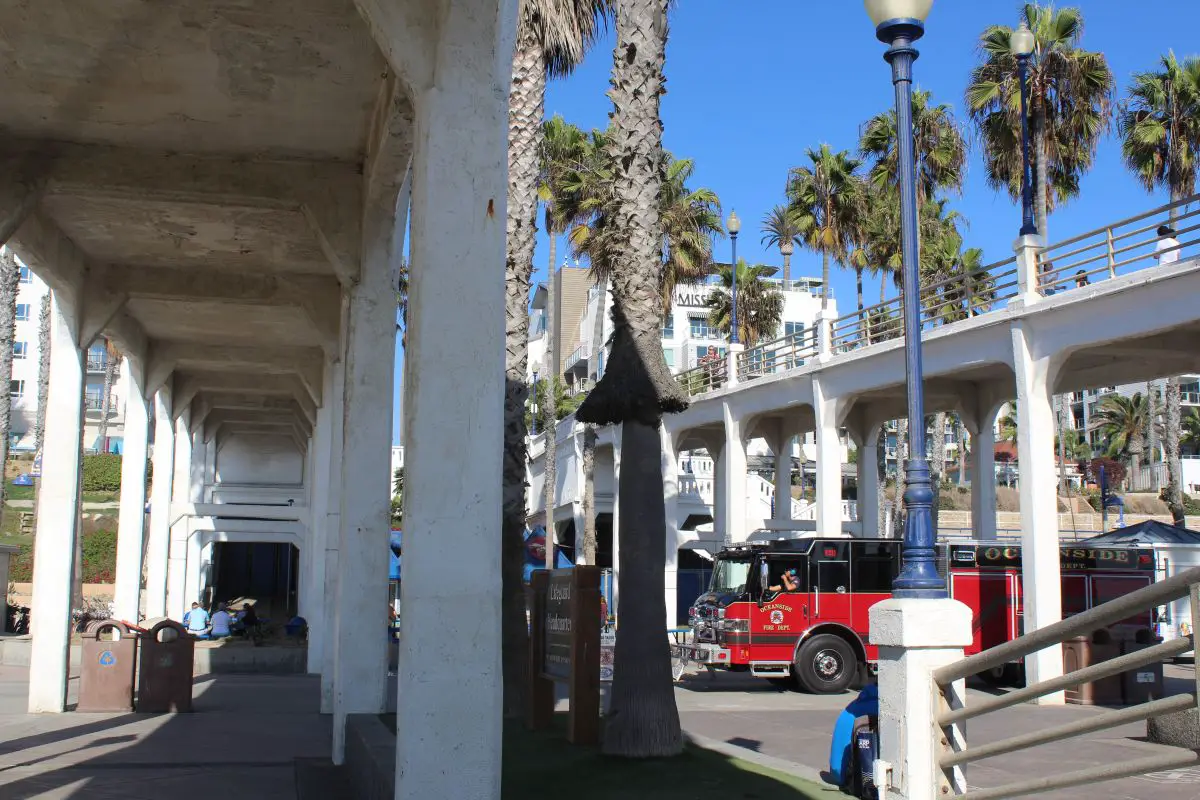
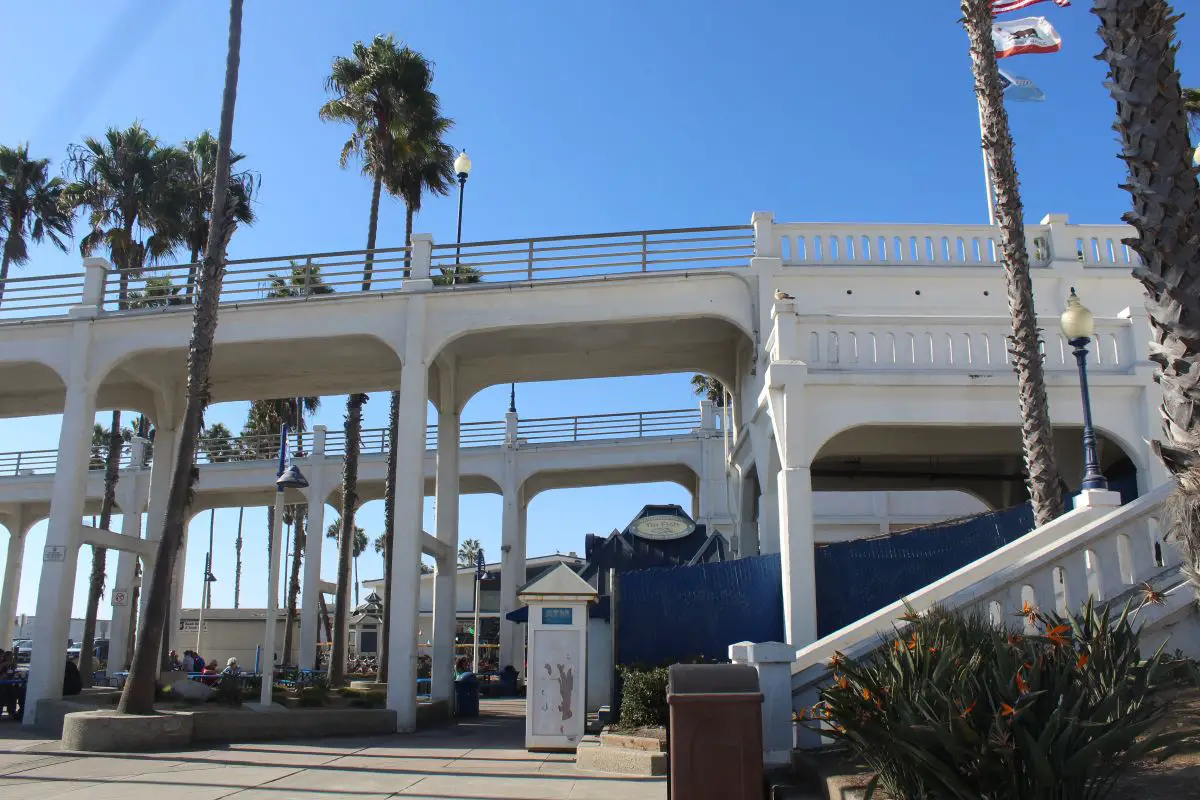
OCEANSIDE — The City Council certified an environmental impact report for the proposed $82 million reconstruction of the Pier View Way Bridge, advancing the project as the city faces a roughly $60 million funding gap.
The program’s environmental impact report covers the bridge reconstruction and the city’s lifeguard headquarters, located at the base of the concrete structure.
The council voted unanimously Sept. 16 to certify the report, with Councilmember Peter Weiss absent.
“This is a very critical project for the city of Oceanside,” said Mayor Esther Sanchez.
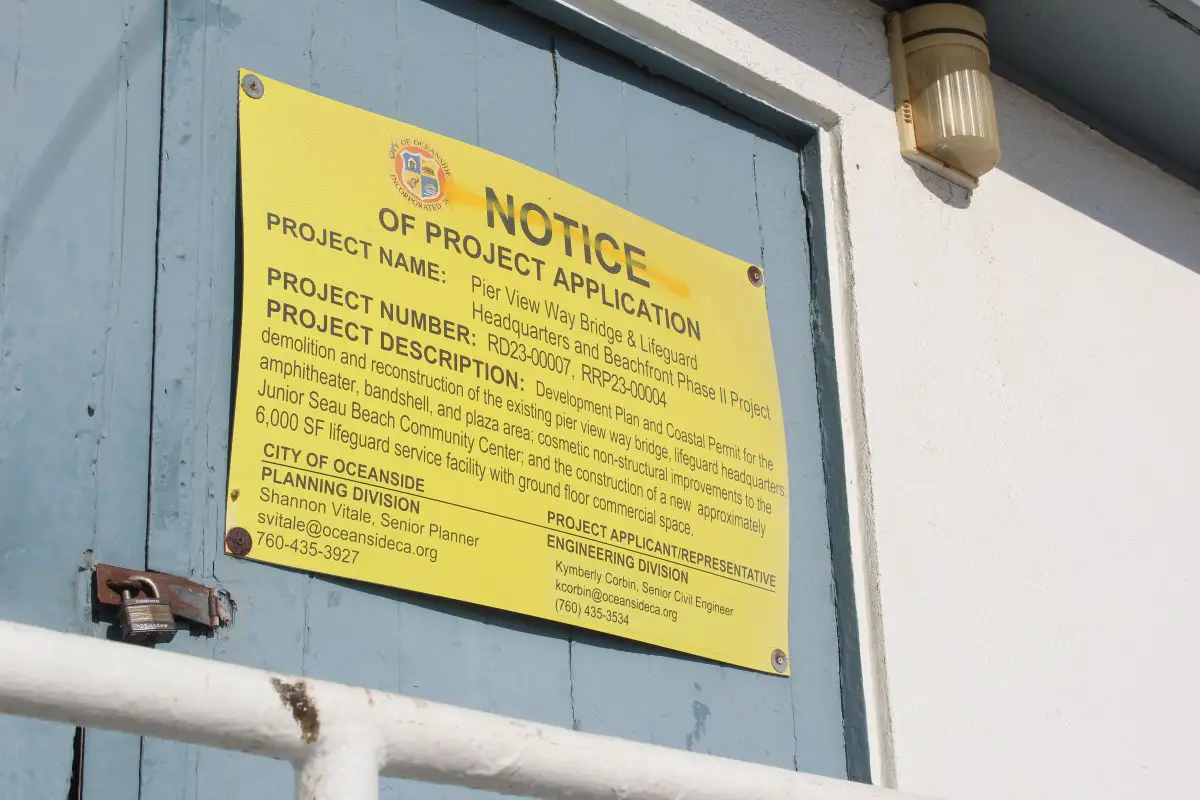
The report also covers the second phase of the beachfront improvement project, including improvements to the Junior Seau Beach Community Center, replacement of the Junior Seau Pier Amphitheater and Bandshell, and program-level planning for Betty’s lot. The first phase included a new restroom at Tyson Park and a new restroom and police substation next to the bandshell.
The city circulated the draft report for public comment from Nov. 20, 2025, through Jan. 9, 2026.
The report outlines measures to protect wildlife and cultural resources during construction. Crews must survey for nesting birds before ground-disturbing work during the breeding season and establish protective buffers around active nests.
A qualified archaeologist and a Luiseño Native American monitor would also oversee initial ground-disturbing work, with exceptions for excavation within engineered fill. Either monitor could halt work if previously unknown tribal cultural resources were discovered, allowing the finds to be evaluated before construction proceeds.
Reconstruction of the pier bridge was initially estimated to cost about $27 million. But the need for additional technical studies, investigations, permitting and support services pushed the estimated cost to $82 million, leaving the city with a funding gap of about $60 million.
The city has sought federal and state funding through annual lobbying efforts since 2017.
Those efforts have had some success, including Rep. Mike Levin, D-San Juan Capistrano, securing $2 million in federal funding. However, the city’s options are limited. Transportation grants, for example, are unavailable because vehicles no longer use the bridge.
City Engineer Brian Thomas said most grant programs require projects to be ready or nearly ready for construction before awarding funding. He estimated it could take “roughly 18 months” to finalize the project.
The city also needs permits from the U.S. Army Corps of Engineers, the Regional Water Quality Control Board and the California Coastal Commission.
“Until we can get permitting, they’re not going to even look at the project,” Thomas said.
Built in 1927, the pier bridge originally provided vehicle and pedestrian access to the pier. The city converted a public dining room at its western end into its lifeguard headquarters in 1987.
According to city staff, the bridge and lifeguard headquarters have experienced “significant deterioration” despite ongoing maintenance.
With the structure nearing the end of its 100-year lifespan, Thomas said the city had two options: rehabilitate it to extend its life by up to 30 years or replace it with a structure designed to last 75 to 100 years.
The California Coastal Commission’s requirements to address sea-level rise helped shape the city’s decision to rebuild the bridge.
“I know this is really important to our citizens,” Sanchez said. “We have to come up with $60 million.”