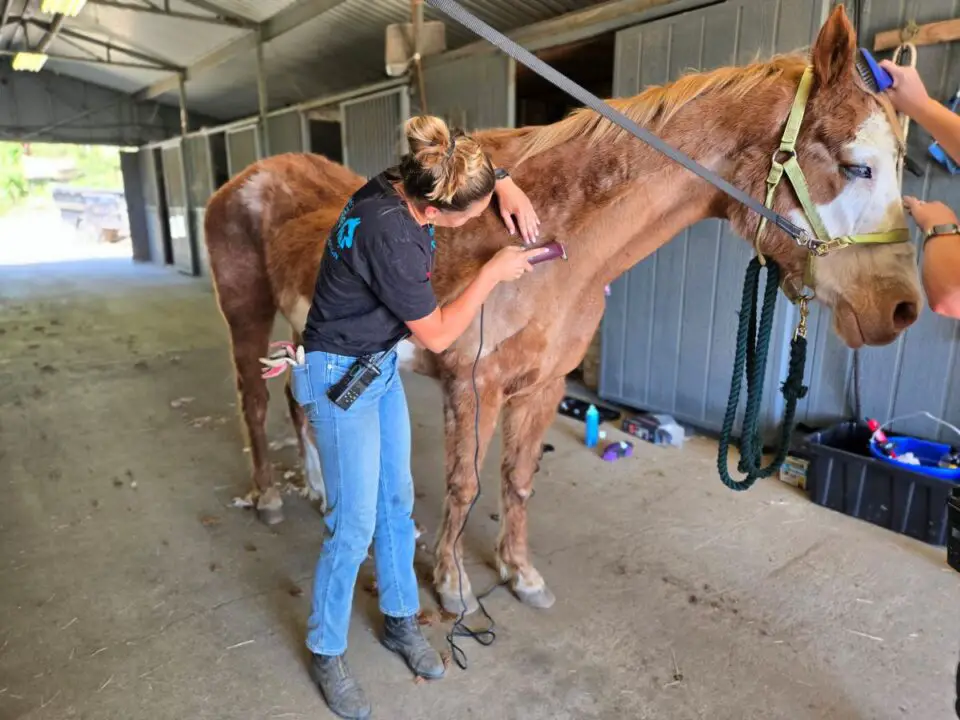
JULIAN — Nearly two months after the San Diego Humane Society took over the Villa Chardonnay property in Julian to rescue over 700 allegedly neglected animals, the organization is staffing the property “around the clock” to ensure the animals remain safe during the ongoing investigation.
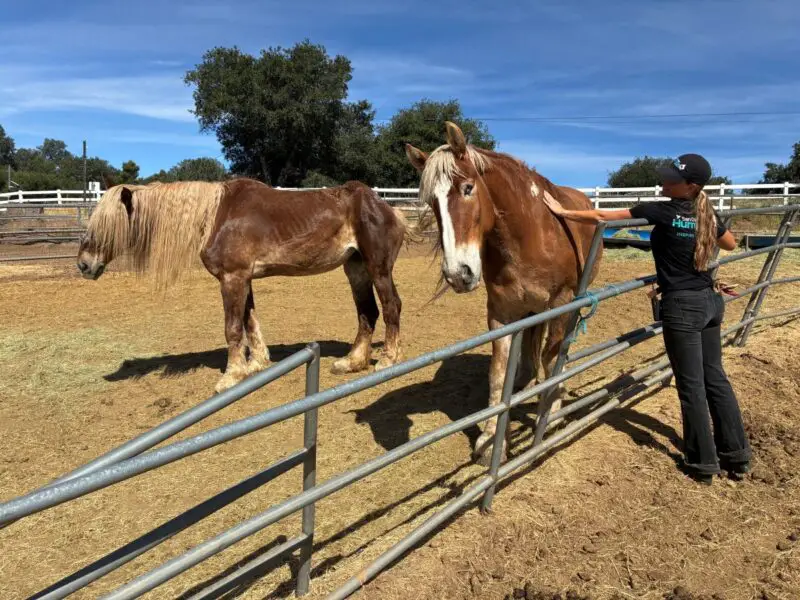
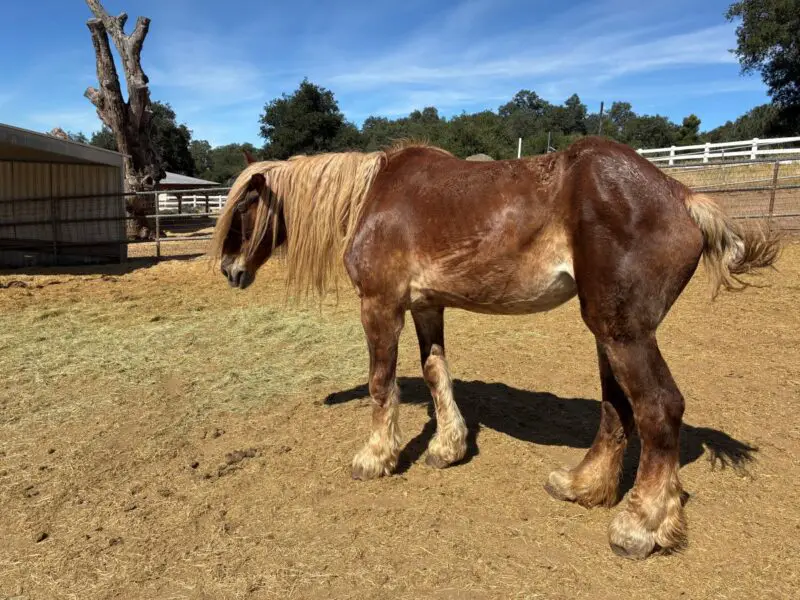
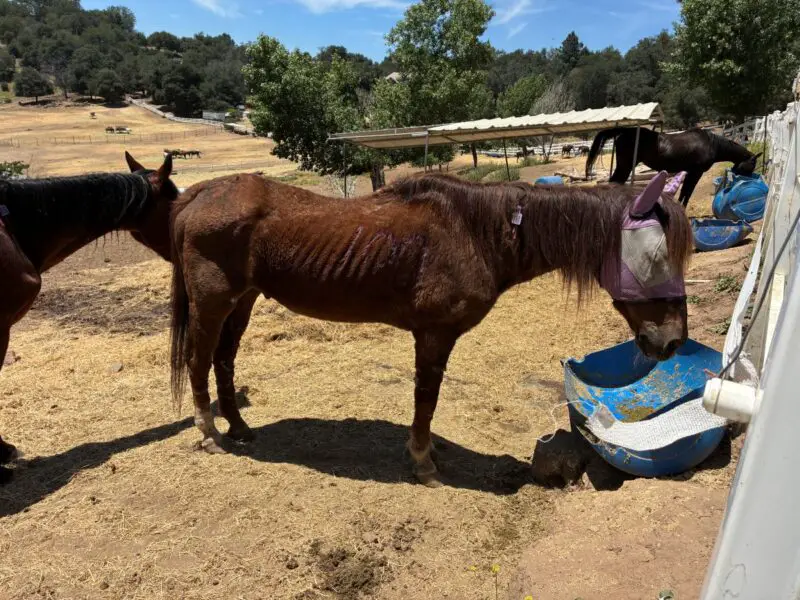
At the height of the response, the organization cared for 728 animals including horses, cats, dogs and livestock. As of Wednesday, 107 horses remain at the Julian property, where staff and volunteers provide daily medical treatment, nutrition and rehabilitation.
“Our team has made incredible progress, but the work isn’t finished,” Dr. Gary Weitzman, president and CEO of the San Diego Humane Society, said in a statement. “Many of these horses are seniors with significant medical needs, and they deserve the time, attention and resources necessary to help them recover and move on to brighter futures.”
Recent efforts at the property have focused on ongoing veterinary care, including dental work, hoof care, diagnostic testing and treatment for chronic conditions. Approximately half of the remaining horses have received dental and farrier care, with additional treatments scheduled for the coming weeks.
Among the horses being cared for is a grade horse named Oscar. Oscar, who has Cushing’s disease, has become a staff favorite.
The SDHS has also managed a precautionary equine strangles quarantine after a horse who left the site tested positive for the contagious bacterial disease. Equine strangles is a common disease that can emerge when horses experience stress, particularly when animals come from environments where preventive care was limited.
Veterinary experts believe the horse who tested positive may have been an asymptomatic carrier of the bacteria and began shedding it due to the stress of transport and relocation. Eleven horses have been tested and returned negative results, officials reported. An onsite veterinarian continues to oversee the horses’ health while the team works toward safely resuming placement efforts.
“Disease prevention is a critical part of large-scale animal rescue operations,” Weitzman added. “Out of an abundance of caution, we implemented quarantine measures, increased testing and are closely monitoring every horse.”
Meanwhile, the organization’s work with the 446 cats rescued from the property – plus two kittens born after the rescue – was near completion, officials said. Since the operation began, 305 cats have been adopted,
including 269 through the organization’s Working Cat Program, which places under-socialized cats in outdoor homes. An additional 84 cats have been transferred to partner organizations.
According to the organization, just 11 cats from the Julian rescue remain in care as the SDHS continues to seek appropriate placements. Many of the rescued cats required extensive medical treatment, including specialized dental procedures. Veterinary teams reported the cats have recovered well and were thriving in their new environments.