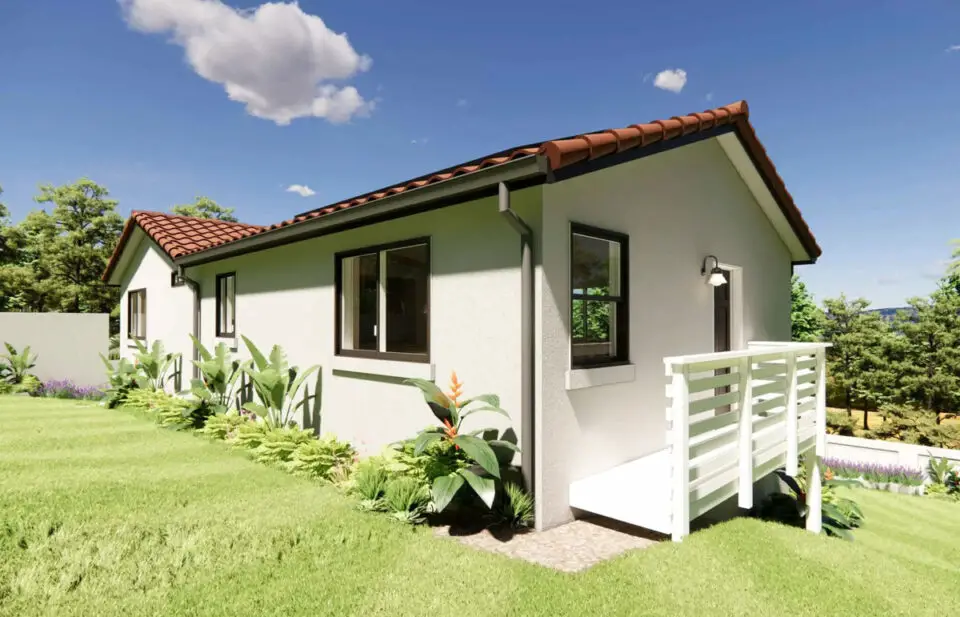
ESCONDIDO — In an effort to comply with state law and address its housing shortage, the city has adopted several amendments to its code regulating accessory dwelling units, streamlining the application process while limiting the city’s control over how they are built.
The Escondido City Council unanimously approved the changes on June 24.
Accessory dwelling units, or ADUs — also referred to as granny flats, in-law suites or backyard cottages — are smaller, independent homes built on the same lot as a single-family residence. Junior accessory dwelling units, or JADUs, are smaller, rentable living spaces attached to the primary residence.
Over the past three years, the state has passed several laws to encourage the construction of more ADUs and JADUs to increase California’s housing supply. Several of those laws limit local control over the two housing types.
The city must regularly review its municipal code to ensure compliance with current state law. In 2024, the city determined that its ADU and JADU regulations needed updating and began revising them.
In February, the city received a letter from the California Housing Defense Fund identifying several concerns with staff’s proposed amendments that appeared to fall short of state law. After another review, staff agreed with the concerns and returned to the drawing board for a more comprehensive update, which was brought before the council last month for final approval.
One of the city’s changes requires ADUs and JADUs to be approved only through building permits.
“No discretionary action can be taken,” said Sally Shiffman, principal planner with the city’s planning division.
The ordinance also distinguishes between state-exempt ADUs, which are allowed regardless of whether a city has an ADU ordinance and standard ADUs, which cities may regulate only through objective local standards such as height, setbacks, landscaping and unit size.
Shiffman noted that state law allows some additional standards for ADUs built in historic districts.
State law also allows cities to permit ADUs to be sold separately from the primary residence. Both state and local law prohibit JADUs from being sold separately.
The California Housing Defense Fund also asked the city to remove a section of the updated ordinance referencing traffic flow and public safety, citing concerns that applicants could interpret it as prohibiting ADUs in certain areas.
Shiffman said staff disagreed with that suggested change, noting that state law allows the city to review applications based on traffic flow and public safety concerns. To address the concern, staff added language referencing engineering design standards already used for other projects to guide staff during the application review process.
The updated ordinance also establishes two compliance pathways for windows on standard ADUs. They must either match the windows on the primary residence or, if the primary residence is older, match at least three of the following objective standards: window type, frame material, window proportions, trim dimensions and recess depth, and window glazing.
City Manager Sean McGlynn told the council that staff will return to discuss fire safety concerns for ADUs in high and very high fire hazard zones separately from the zoning code update, citing concerns that ADUs could increase the risk of fire spreading from one home to another without sufficient separation.
“We’ll be back in front of you to talk about structure separation,” McGlynn said.
Deputy Mayor Joe Garcia said he has seen a significant increase in ADU applications citywide compared with when he served on the Planning Commission years ago.
Related Articles:
- Del Mar, Solana Beach update affordable ADU incentives December 11, 2023
- Solana Beach updates ADU ordinance to account for new laws May 14, 2026
- ADUs and home additions help North County families… March 17, 2026
- Carlsbad updates ADU rules on size, parking and unit limits February 4, 2026
- Election Q&A with Oceanside City Council candidates October 22, 2024
- La Costa neighbors wary of property group's latest ADU plans June 14, 2024