
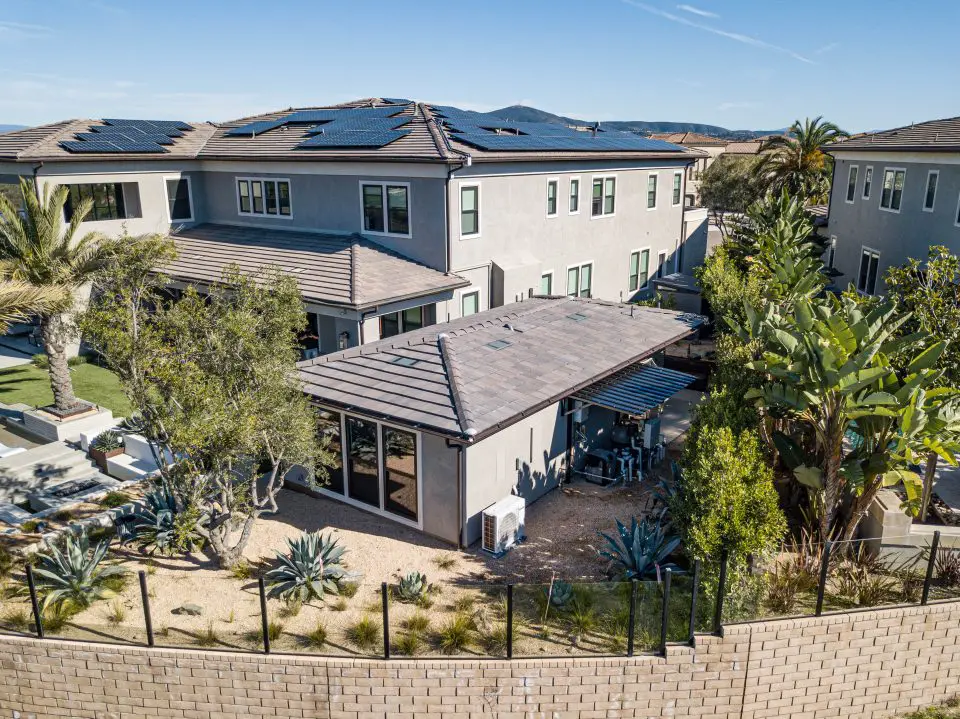
From backyard units to second-story expansions, homeowners are rethinking how their homes can evolve with changing needs.
Across North County San Diego, a quiet shift is happening in backyards, garages and second stories.
Accessory dwelling units, commonly known as ADUs, are increasingly becoming one answer for families trying to stay connected while navigating high housing costs, multigenerational living and changing lifestyle needs.
But ADUs are only part of the story.
Many homeowners are also reimagining their existing homes through additions, second-story expansions and creative remodels that allow families to stay in place rather than moving.
Woolsey Construction San Diego, a full-service design-build firm specializing in new luxury home construction, remodels, ADUs and custom outdoor living spaces, has seen this trend play out across the region.
“A lot of homeowners are choosing ADUs and additions right now because they already have equity in their property, they love the neighborhood they’re in, and today’s regulations have made it more realistic to add space without having to move,” said Luke Woolsey, founder of Woolsey Construction.
Across California, state lawmakers have spent the past several years loosening restrictions on ADUs in an effort to address the housing shortage. The changes have made it easier for homeowners to build backyard cottages, convert garages or add small secondary units on existing properties.
The Coast News has previously reported that North County cities have been updating their local rules to align with those state laws. Communities including Encinitas and Carlsbad have adopted revised standards as ADU applications have increased.
But for many homeowners, the decision begins around the kitchen table rather than at City Hall.
Builders say they are seeing more projects designed to accommodate adult children returning home, aging parents who want to live nearby, or families simply outgrowing the homes they purchased years earlier.
“It’s offering a great solution in our current market for young people to try and get a start,” Woolsey said. “It gets you out of the house, puts you in your own space and gives people that independence.”
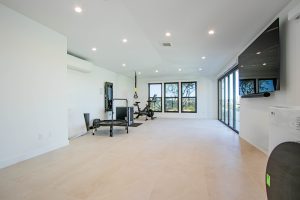
In Carmel Valley, Woolsey Construction recently completed an ADU designed as a flexible secondary living space that includes a bathroom and workout room. Spaces like this can serve multiple purposes over time, from a home gym or office to a guest suite or private retreat for visiting family members.
“The most important question when planning an ADU is how that space will be used — for family, a home office, guests or rental income,” Woolsey said.
Other homeowners are solving the same challenge by reworking their existing homes.
A recent project in Encinitas involved building a second-story addition that expanded an existing home with a new game room and additional living space for the family’s children. By building upward rather than outward, the project created additional square footage while maintaining the home’s original footprint.

Second-story additions and interior remodels can be especially appealing in coastal communities where lot sizes, zoning rules or neighborhood character limit how far a home can expand outward.
Homeowners are often surprised by the range of possibilities available.
Some families add backyard cottages. Others convert garages or underused rooms into private living space. In other cases, a thoughtful remodel can transform how an existing home functions.
“As your design-build team, we’re always asking: what’s the goal? What are you trying to achieve with the space?” Woolsey said.
In many cases, the new space evolves along with the family.
A room built for teenagers might later become a home office. An ADU created for visiting relatives could eventually provide housing for aging parents or adult children returning home. Others are designed from the start as home gyms, creative studios or quiet workspaces as remote work becomes more common.
That flexibility has made ADUs and home additions some of the most discussed topics in local housing conversations across North County.
In some neighborhoods, residents have raised concerns about parking, neighborhood character and infrastructure as more ADUs are proposed. At the same time, housing advocates and planners point to the units as a relatively gentle way to add housing without large-scale redevelopment.
For many homeowners, however, the motivation remains deeply personal.
“ADUs are a great solution because you don’t have to pay for the land. You can essentially create a second home on your existing property,” Woolsey said.
For homeowners considering an ADU, addition or remodel, experts like Woolsey Construction recommend beginning with research into local zoning rules and consulting with experienced design and construction professionals who understand the permitting and design process.
Across North County, as housing costs remain high and families continue to evolve, many homes are quietly evolving right along with them. Woolsey Construction works on ADU, home addition and remodeling projects throughout North County, including Encinitas, Carlsbad and surrounding coastal communities.


