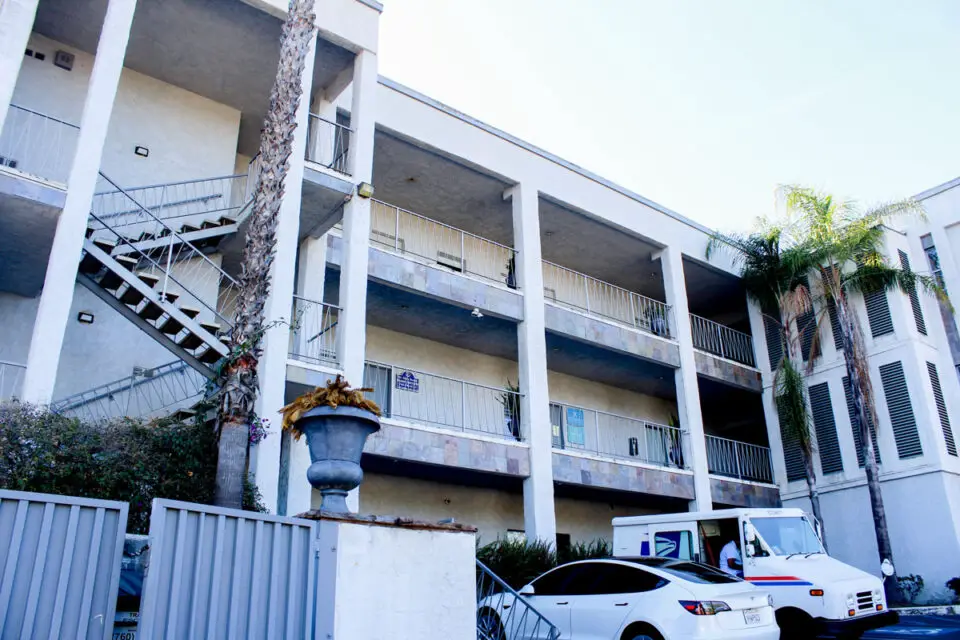
ESCONDIDO — A nearly vacant office building that once housed medical practices near the former site of Palomar Hospital will be converted into a 21-unit residential apartment complex
The 19,000-square-foot building, located on a 0.69-acre site at 240 S. Hickory Street, primarily served low-intensity medical offices while the hospital was nearby.
Darshan Patel owns the building and has been planning the conversion for several years. He purchased the property in 2020, intending to turn it into apartments, but kept it as a medical office while it remained fully leased.
After Palomar Hospital relocated across town and the COVID-19 pandemic increased remote work, tenants in the building dwindled. Patel resumed plans to convert the property from commercial to residential.
“We’re at 95% vacancy – only 5% of it is being used by one tenant,” Patel told the Escondido City Council on Dec. 4.
The building is surrounded by single-family and multifamily homes, which Patel said made the conversion a logical choice.
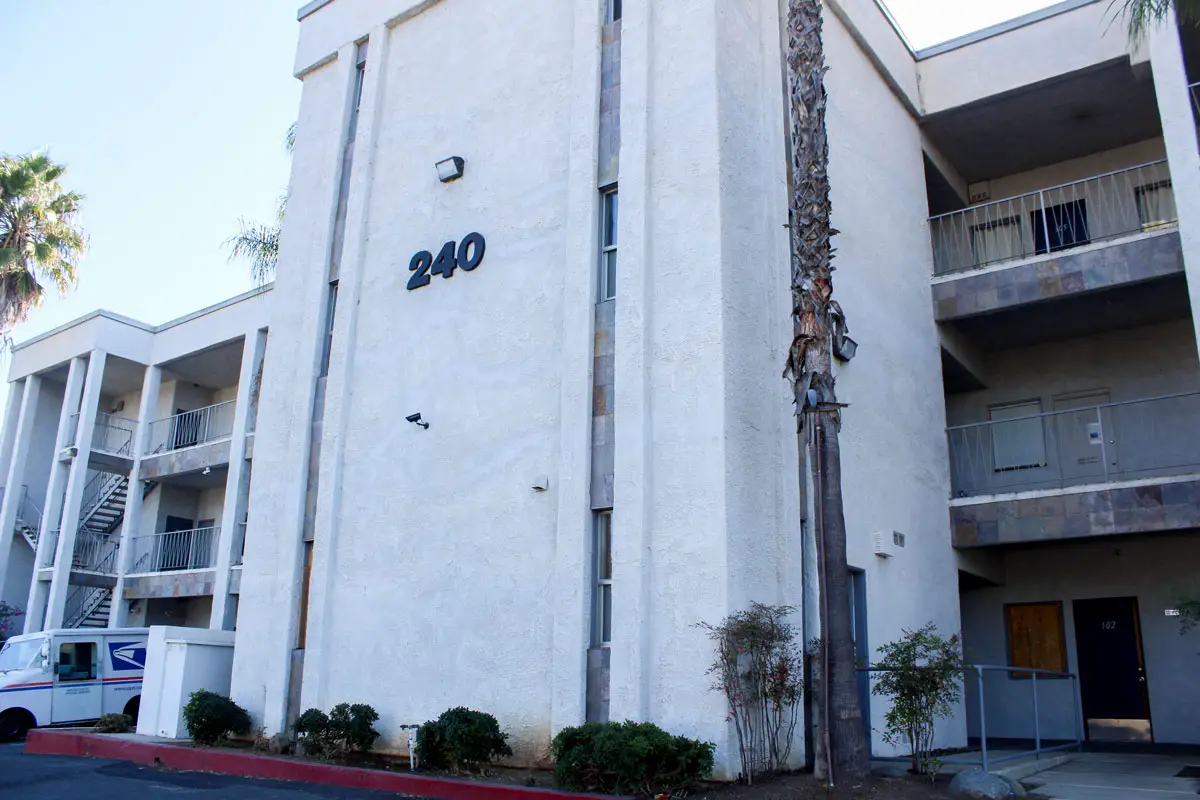
To exceed the site’s 20-unit maximum, Patel invoked the state’s density bonus law by adding two deed-restricted low-income units. The law allows developers to exceed density limits and offers concessions to reduce or eliminate specific development standards to save costs.
Patel used the concession to eliminate a requirement to resurface the alleyway.
The law also permits waivers to remove requirements that prevent achieving the proposed density. Patel used waivers to forgo the 21 covered parking space requirement, eliminate open space (reducing it to zero from the required 6,600 square feet), and omit a landscaped island between car stalls.
After speaking with prospective residents, Patel prioritized parking over open space, noting that many units would likely house residents with more than one car.
“We wanted to provide the parking for them more than anything,” Patel said. “We found open space would be tight.”
Although only two units will be deed-restricted as affordable housing, Patel said the conversion of an existing building, rather than constructing a new one, will make the overall rents more reasonable.
Patel estimated rent for one-bedroom apartments would range from $1,700 to $1,800 per month, while two-bedroom units would range from $1,900 to $2,000. All units will be fully furnished.
City staff had initially recommended denying the project, citing inconsistencies with the General Plan due to the lack of open space and recreational amenities. The Planning Commission also recommended denial in November.
Despite these recommendations, the Escondido City Council approved the project by a 4-1 vote.
Mayor Dane White acknowledged the importance of open space and recreational amenities but said they are not priorities for every resident. He supported Patel’s decision to increase parking instead.
During his final City Council meeting, Councilmember Mike Morasco said the project’s benefits to potential residents outweighed its shortcomings.
“I would like to see more open space, landscaping and covered parking, I totally would, but I also understand and agree with the mayor that’s not what everyone is looking for or what every property needs,” Morasco said.
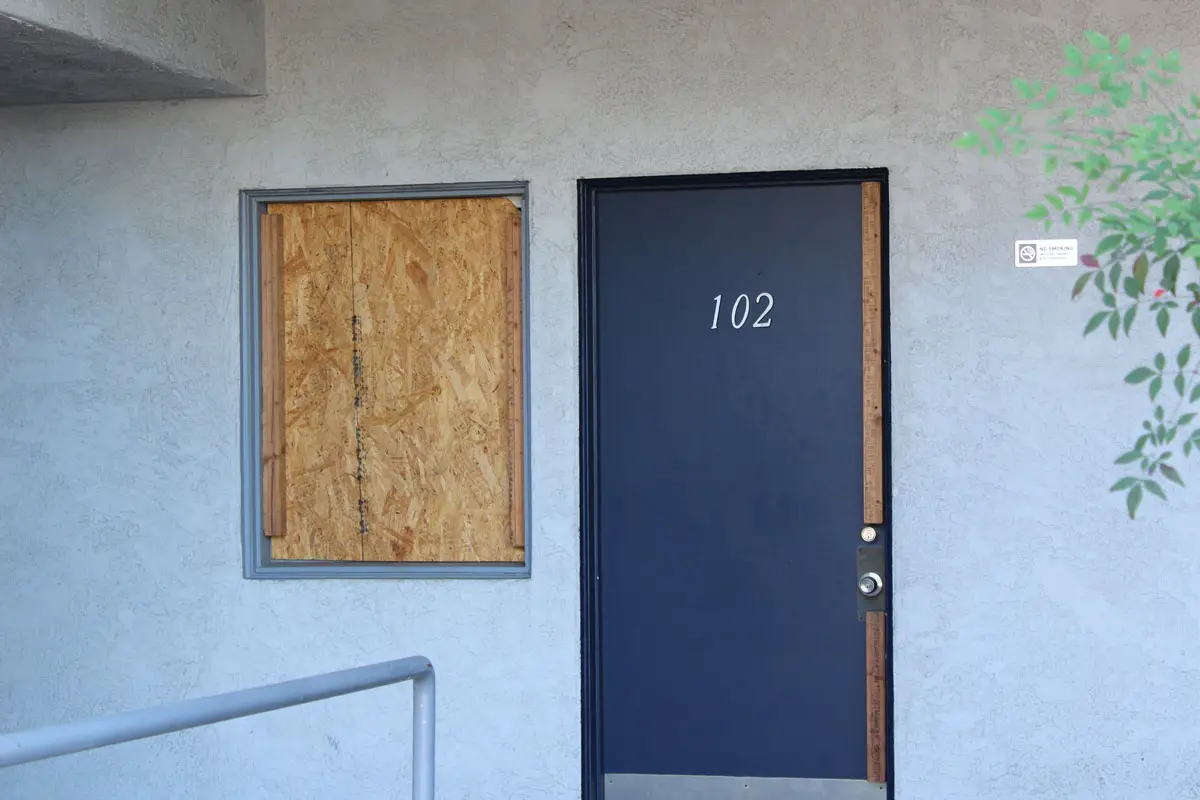
Patel said the conversion would also help curb criminal activity on the site, citing break-ins, signs of unhoused people staying in the building, and other issues.
Councilmember Consuelo Martinez cast the lone opposing vote, stating she could not support the project unless all units were deed-restricted as affordable housing.
While Martinez agreed the city needs more below-market housing, she said the lack of open space and recreational amenities was a dealbreaker.