
ENCINITAS — Facing an outcry from mobile homeowners over soaring land rents, the Encinitas City Council has directed staff to draft an emergency ordinance to curb steep increases while officials consider permanent rent protections.
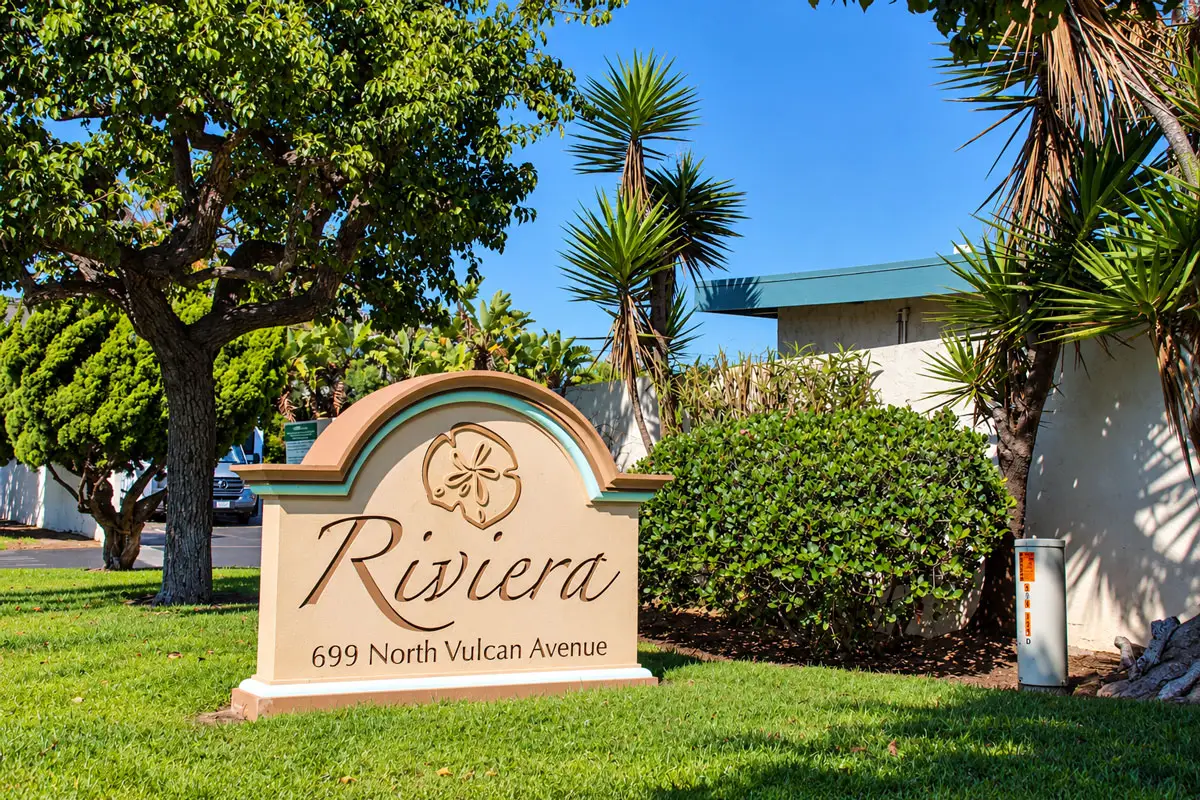
The council’s Oct. 14 decision comes as some residents at Riviera Mobile Home Park in Leucadia were facing space rent increases of more than 17% beginning Nov. 1, raising concerns that longtime homeowners could be priced out of their homes.
Staff is expected to return Oct. 28 with an emergency ordinance addressing these concerns, followed by potential long-term policies that could limit annual rent increases, provide a local review process and strengthen protections for the city’s existing mobile home parks.
The action followed emotional testimony from residents who described mounting financial pressures, declining home values and fears of losing homes they cannot afford to move.
Encinitas resident Gina Gennette described some park owners’ practices as “predatory” toward mobile homeowners like her.
Courtney Zeman, a resident at Riviera Mobile Home Park, said that as a single mother, the financial strain of rent increases for the land beneath her mobile home makes it difficult to afford lifesaving respiratory treatments for one of her daughters, Kiah.
Tammy McCamish, another resident at Riviera, said she has had to lower the asking price for her mobile home because prospective buyers apparently share her concerns about unchecked annual rent increases.
Some elderly mobile home residents search recycling bins for plastic bottles and aluminum cans each month to supplement their incomes.
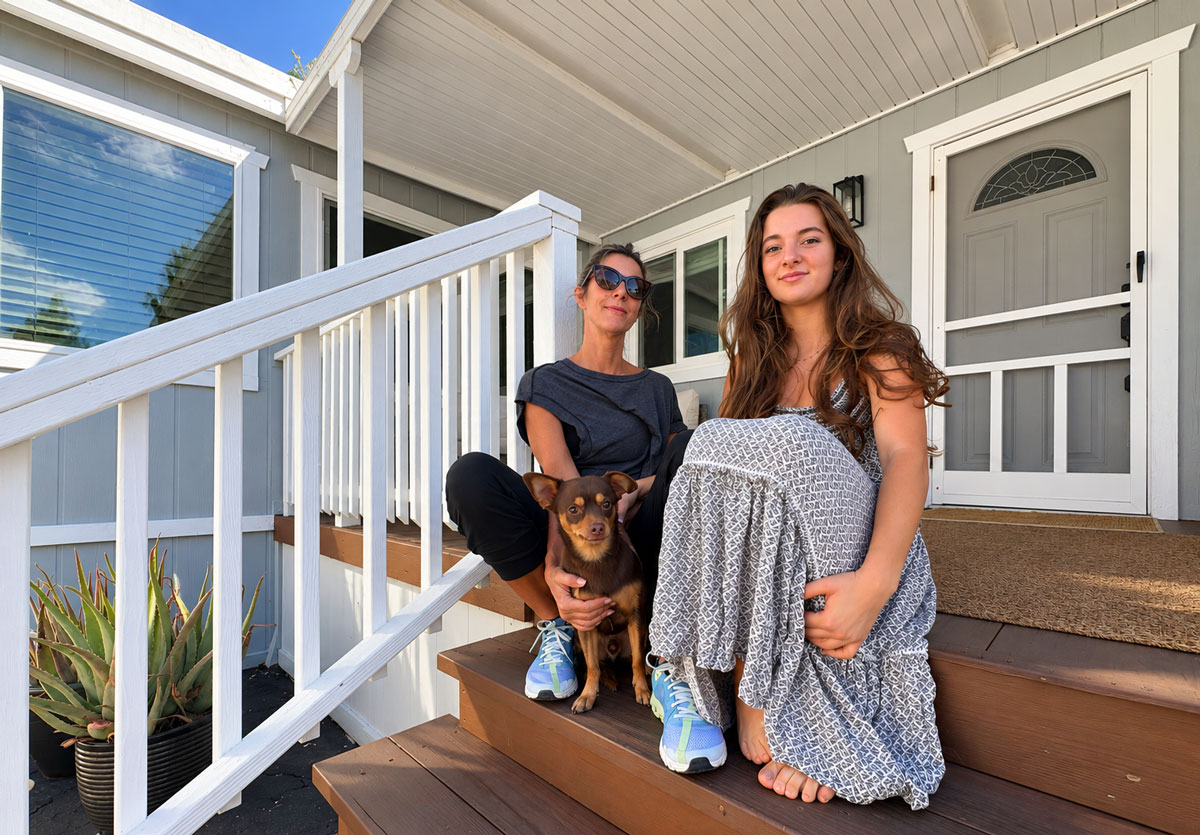
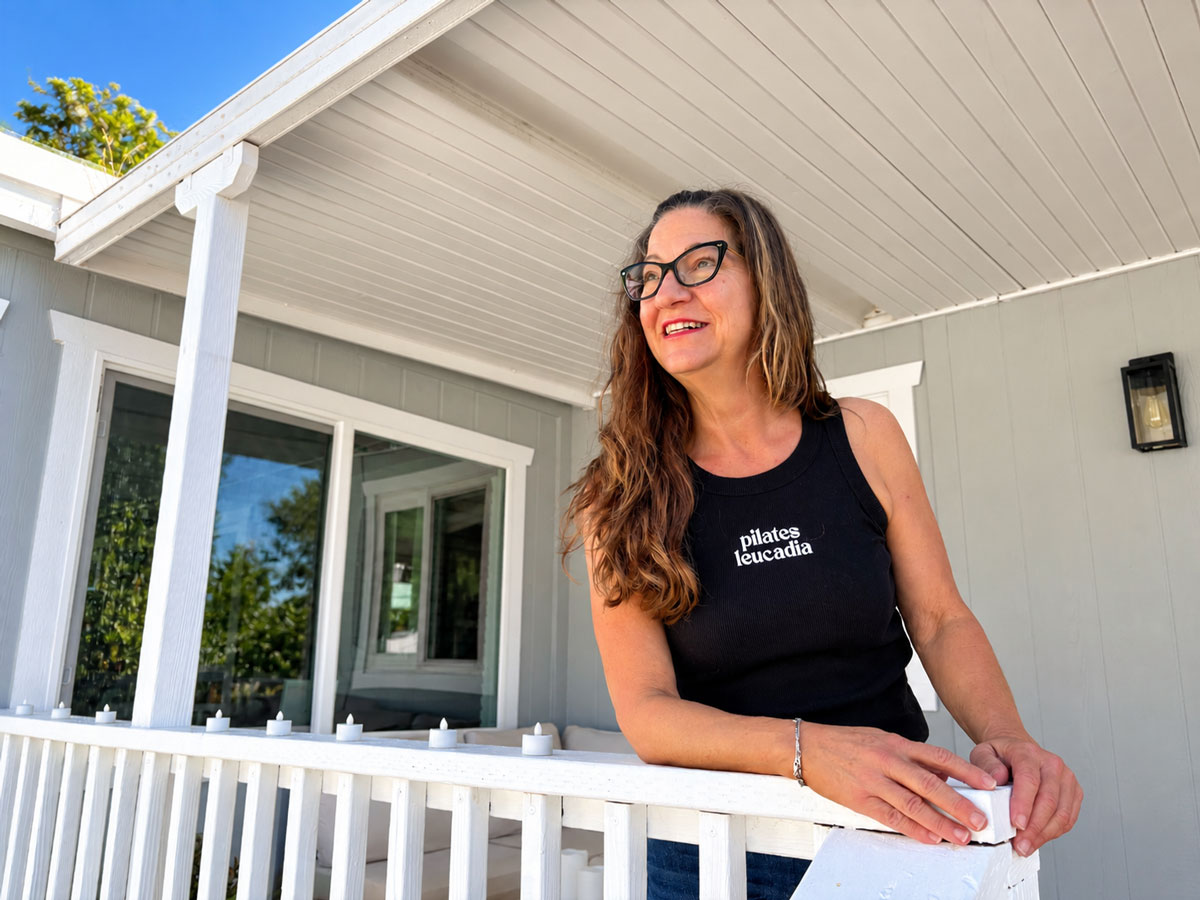
At the center of the dispute is a financial arrangement that leaves mobile home residents in a particularly vulnerable position: They typically own their homes but rent the land underneath them. Unlike conventional homeowners, they generally cannot relocate their properties when housing costs rise.
According to the agenda report submitted by Mayor Bruce Ehlers, most mobile homes, particularly those older than 10 years, cannot realistically be moved. As monthly space rents rise, the homes’ potential resale value can fall because prospective buyers must also account for the cost of leasing the land.
The report warns that rapidly rising rents have eroded some home values to the point that owners cannot afford to sell or relocate, undermining a form of housing the city has long sought to preserve.
Ehlers said the issue dates back to the city’s 1989 General Plan, which established policies and zoning designations intended to preserve mobile home parks as a source of “naturally occurring, more affordable housing.”
“This is not a new problem,” Ehlers said. “I think it is a very much worsening problem in the recent years, months and even weeks.”
The city’s General Plan includes a mobile home park zoning designation, while the North 101 Specific Plan established a separate designation intended to protect existing parks from redevelopment. The city’s housing policies also prioritize preserving existing affordable housing.
However, those land-use protections do not necessarily shield homeowners from escalating rents for the spaces beneath their homes.
California’s statewide rent cap does not apply to mobile home space rents, and Encinitas has no local ordinance limiting annual increases. As a result, residents say they have little protection against steep rent hikes, even as the city seeks to preserve mobile home parks as a source of affordable housing.
In his agenda report, Ehlers proposed exploring an urgency ordinance that could temporarily freeze space rents at their Jan. 1, 2026, levels until the city adopts a permanent rent fairness ordinance. He also requested an examination of the city’s legal authority, notification requirements, park ownership and zoning, and similar regulations elsewhere in California.
The council ultimately directed staff to return with options for immediate relief and a broader examination of potential long-term regulations, while ensuring park owners have an opportunity to participate in the discussions.
The report identifies Fortuna, California, as one example of a city that adopted a temporary moratorium before implementing permanent mobile home rent regulations. Under Fortuna’s ordinance, annual increases are generally tied to the Consumer Price Index, subject to a 5% cap.
‘Upset this apple cart’
Data collected by SOS Encinitas, a coalition of manufactured home owners, shows that the city’s 11 mobile home parks have a combined capacity of 734 spaces. Residents generally own their homes but pay monthly rent for the land beneath them, except at Park Encinitas.
The coalition, working with the Golden State Manufactured-Home Owners League, has called for a temporary rent moratorium followed by permanent regulations that would make increases more predictable while allowing park owners a fair return.
More than two dozen residents wore “SOS Encinitas” shirts after holding an “iron on party” that they said brought the community closer together.
Eva Bueno, a mobile home resident at Riviera, called those who spoke out about their concerns “brave.”
Many residents told The Coast News they feared retaliation from park owners for publicly voicing their concerns.

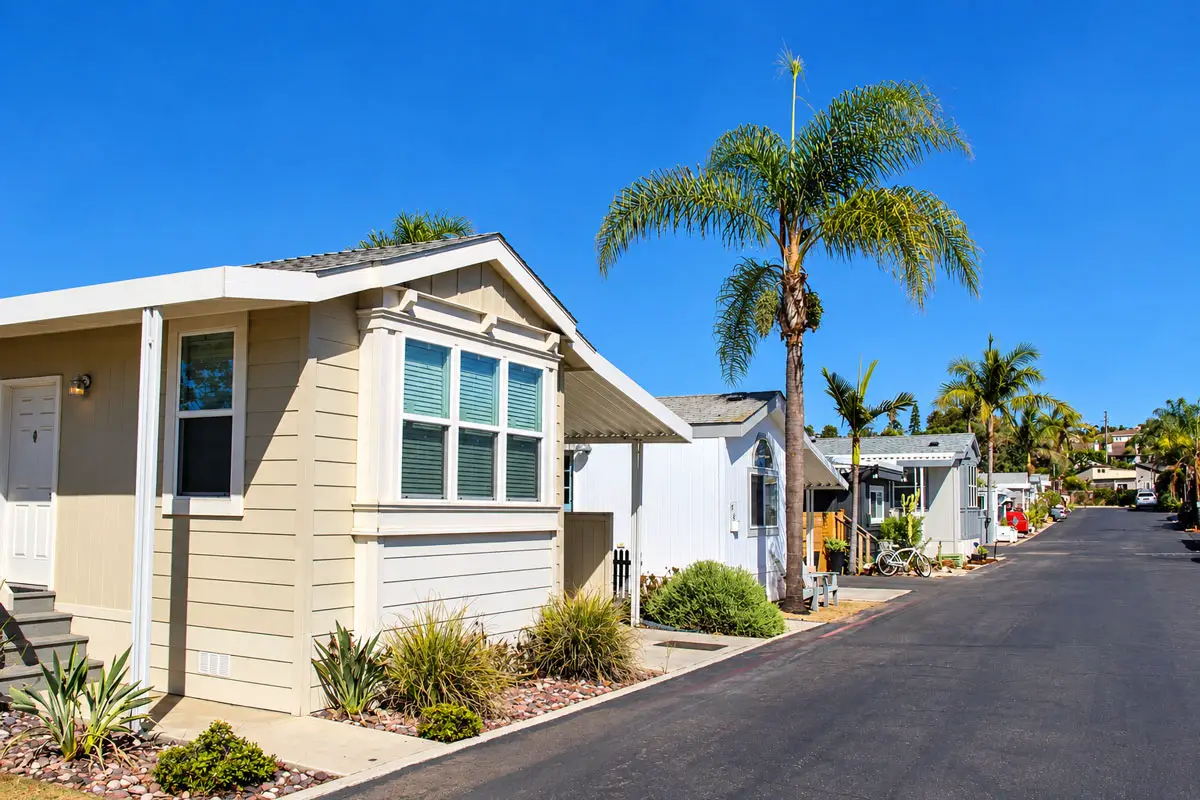
“We cannot depend on management’s goodwill or promises because we did that before,” Bueno said. “Residents need protection from these unregulated practices now. And to the park managers across the city, we say we will not be intimidated.”
Residents described a wide range of experiences with the various park management companies.
“Not every park in Encinitas is predatory right now,” said Heidi Holzworth, a Riviera resident and member of SOS Encinitas.
Holzworth added that Laguna Asset Management, which manages Riviera, has been particularly toxic.
“[Laguna] owns parks throughout several states and they have an investment strategy that says more or less, ‘it’s a captive audience and our job is to get the highest return on investment possible,’” Holzworth said.
She and other Riviera residents pointed out that around 5 p.m. on Oct. 14 — an hour before the council meeting — letters arrived in their mailboxes stating that management “may have caused hardship for some residents” with its original proposed increases, which in some cases exceeded 17%.
The revised proposal came just weeks before the scheduled Nov. 1 increases, leaving open questions about whether the city’s proposed emergency ordinance could impose additional restrictions on space rents.
The letters said that “as an offer of good faith,” management would reduce the proposed increases to 4% for all spaces.
“That last minute offer does not erase our years of financial strain,” Zeman said. “It does not build trust or provide any certainty about next year. A voluntary offer from management is no substitute for enforceable protections. I own my home, but I rent the land underneath it. Like other mobile homeowners, I am invested in a home that I cannot easily or affordably move. that leaves us vulnerable to the increases that threaten our ability to stay.”
Gennette said the 4% offer proved management would listen only when it knew its actions would face City Council scrutiny.
“They’re in control and we’re a captive audience,” Gennette said. “One Riviera homeowner went from $553 a month in 2004 to $2,372 this month in November. That’s 329% while the cost of living rose 89%. This isn’t an error. It’s a business model. They’re predatory and they don’t care what they do to people. It’s all lining their pockets.”
Ralph Beatty, managing director and co-founder of Laguna Asset Management, told the council he wanted to offer “a bit of a mea culpa.”
“Obviously we didn’t handle it properly and as a result, you know, we underestimated the impact,” Beatty said. “And of course it’s affected our other residents which was never our intention.”
He added that the company offers a rental assistance program and that the original proposed increases, before being reduced to 4%, were an effort to “equalize our base rents across the size of our lots.”
“We’re not without heart,” Beatty said. “A lot of times you look at these things from a spreadsheet, and you’re trying to figure out – you know, we’ve spent a lot of money in recent years on capital improvements and this kind of stuff. And again, we misjudged the impact, and we’re here to try to fix that and to commit to further discussions.

“I do apologize for underestimating the disruptive action that has been created for our residents and for other residents at other parks and for other park owners, for that matter. [We] just want to continue to make strides towards solving the issues that we’ve created.”
Councilmember Marco San Antonio acknowledged Beatty’s apology but lamented that the dispute at Riviera had sparked broader concerns about rent increases across the city’s mobile home parks.
“It’s a bummer that Riviera had to kind of upset the apple cart,” San Antonio said.
‘Part of our culture’
San Antonio added that he was heartened to hear residents speak positively about how Ken Johnston operates Green Valley Mobile Estates.
Johnston said the property was his grandfather’s dream when he purchased it in 1974 at age 73.
“As a third generation, I’ve been running the community now for over 30 years,” he said. “Being locally owned and operated, I believe, has allowed my family to maintain a good working relationship with the residents.”
Johnston acknowledged that rent was the “singular biggest issue and that’s no surprise,” which is why his family adopted a model that factors in real estate trends and the Consumer Price Index.
“When a resident moves in, they are moving in under the current economic conditions and what we have determined to be market rent,” he said. “Annually, that same resident receives an inflationary increase. Our formula that we use currently is just a straight average CPI increase. So, it’s a flat number across all lots. This means that residents that have been there longer receive a little higher percentage and residents that have moved in more recently and are on a higher base rent are a little less than CPI. The underlying philosophy is that a person that’s retired in 1995 has a different set of economics versus someone retiring in today’s market.”
Deputy Mayor Jim O’Hara said any long-term policies must honor the social commitments made by all parties involved.
“Mobile homes aren’t just a place where people live right, we all know that they’re part of our culture in Encinitas,” O’Hara said. “They’re back to our surf days. They’re a place where our neighbors live. They’re a place where it’s eclectic like the city itself.”
O’Hara added that he would like city staff to explore whether other cities have implemented memorandums of understanding rather than ordinances, saying he wanted to leave no stone unturned.
San Antonio agreed with the approach.
“We want it to be fair for everybody, including the business owners,” he said. “I get it, the dollars are maybe with more zeros on their end, but we want to protect everybody. This is our community.”