
SAN DIEGO — Homeowner insurance rates in San Diego County are expected to spike significantly, with some residents at risk of losing private coverage entirely as insurers react to recent devastating wildfires in Los Angeles, insurance experts warn.
Insurance brokers estimate rates will rise by 20% to 30% in the next two years, with homeowners in high-risk wildfire areas potentially left with no private insurance options unless policymakers take action.
“The losses carriers have been taking recently are simply unsustainable,” said Nicole Hardin, president of Advanced Brokers Insurance Services. “Recently, large carriers have been operating at an annual loss of about 15-20%, and so it’s only so long before they decide whether or not to stay in California. Kemper [Insurance] pulled out completely last year, and several other companies are on the verge of doing so as well.”
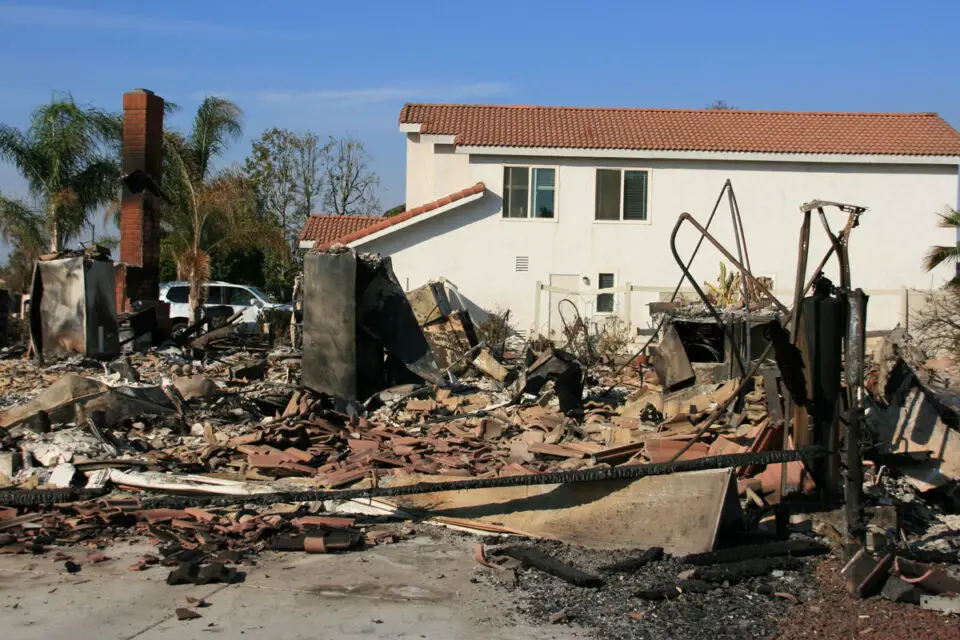
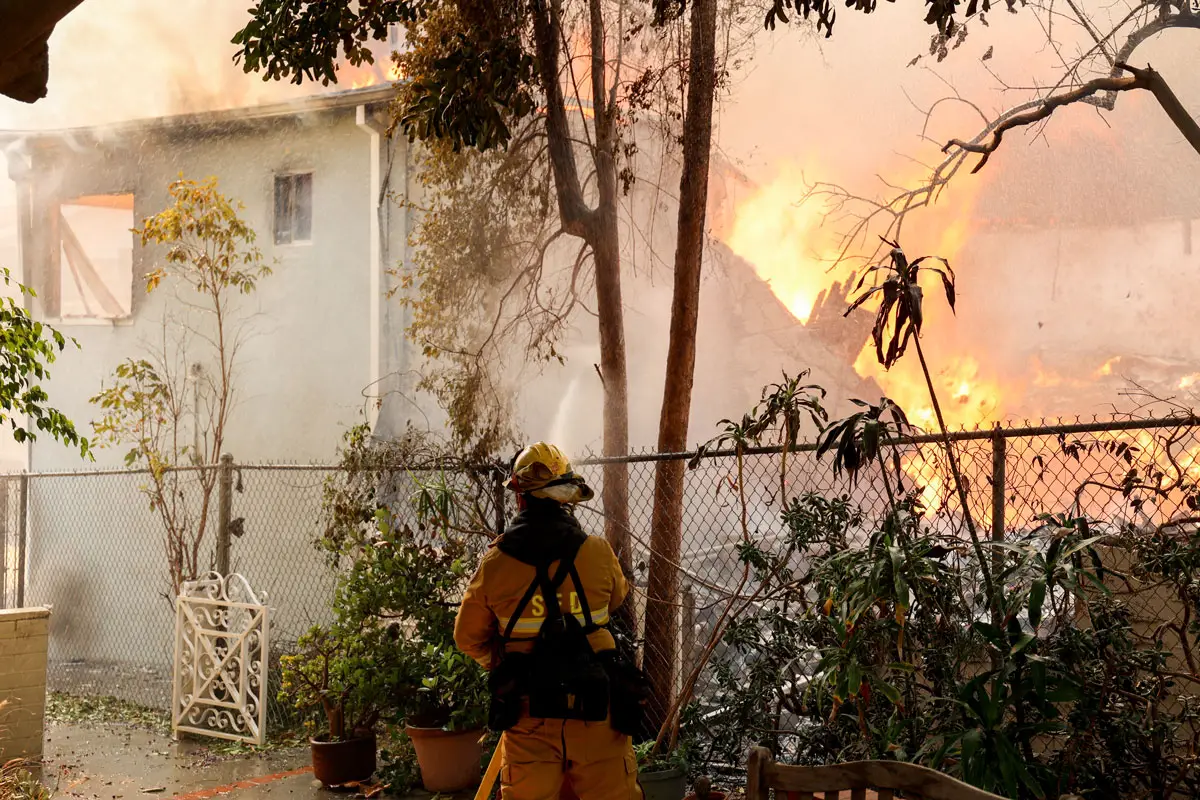
J.P. Morgan estimates the Los Angeles wildfires caused over $20 billion in insured losses, making it the costliest wildfire event in California history. The fires killed at least 29 people, forced 200,000 evacuations, and destroyed more than 18,000 structures, according to Cal Fire.
Experts warn that similar conditions exist in North County, particularly in Olivenhain, Rancho Santa Fe, and Escondido, where fire-prone landscapes and relatively lax vegetation management standards have raised concerns. Firefighters have compared the region’s conditions to those in Los Angeles before the recent fires.
As a result, the number of new homeowner policies has dropped considerably in the past five years, and fewer longtime insureds can renew their previous coverage, as insurance companies deem these communities as too much of a wildfire risk, according to Jesse McArthur, an insurance broker in San Diego.
“With the recent L.A. fires proving to be one of the bigger catastrophes in insurance history, more companies will leave. This is proving to be a bigger risk than they foresaw,” McArthur said.
In response to losing insurance, the number of San Diego County homeowners purchasing coverage through California’s FAIR Plan — the state’s last-resort insurance program — increased by 69% in 2024, according to state data.
However, the FAIR Plan, designed for limited use, carries more exposure than it was intended to manage, said Stephen Collier, a professor at UC Berkeley.
“You now have billions of dollars in exposure in a single community where everyone is using FAIR,” Collier said. “Clearly, you can’t maintain that.”
In February, State Farm General requested a 22% rate increase for non-tenant homeowners in an open letter to the Department of Insurance. Insurance experts predict that failure to approve the request could push State Farm to exit the California market, triggering a domino effect among other carriers that would leave millions without coverage.
“State Farm needs this increase before cutting ties with a lot of people,” said Ryan Juliano, a broker at Steele Insurance Agency. “The real risk we’re facing now is people losing coverage altogether.”
San Diego County residents are already feeling the effects. Ron Medak, an Olivenhain resident and wildfire safety advocate, said his insurance policy became more expensive after California’s 2021 wildfires. He fears the recent devastation in Los Angeles could prompt insurers to reconsider coverage in high-risk areas like Olivenhain and drop his coverage altogether.
“The Palisades fire taught us that an entire community can be eliminated,” Medak said. “I think it will be a gamechanger for everything, including insurance. I get questions from people around here all the time about private insurance; they’re losing their insurance left and right. It’s an epidemic, it’s ongoing, it’s accelerating.”
After purchasing a home in Fallbrook last summer, Stephanie Maine quickly learned the challenges of navigating California’s volatile insurance market. Concerned about the risk of wildfires, she began searching for coverage but was stunned by initial quotes for comprehensive home and fire insurance.
“The first quote we got for home and fire insurance was $15,000 a year,” Maine said. “I was completely shocked.”
Ultimately, she secured a combination of general home insurance for $2,500 per year and a California FAIR Plan policy for fire coverage at an additional $9,000. The FAIR Plan came with a high price tag but was her only option for fire protection.
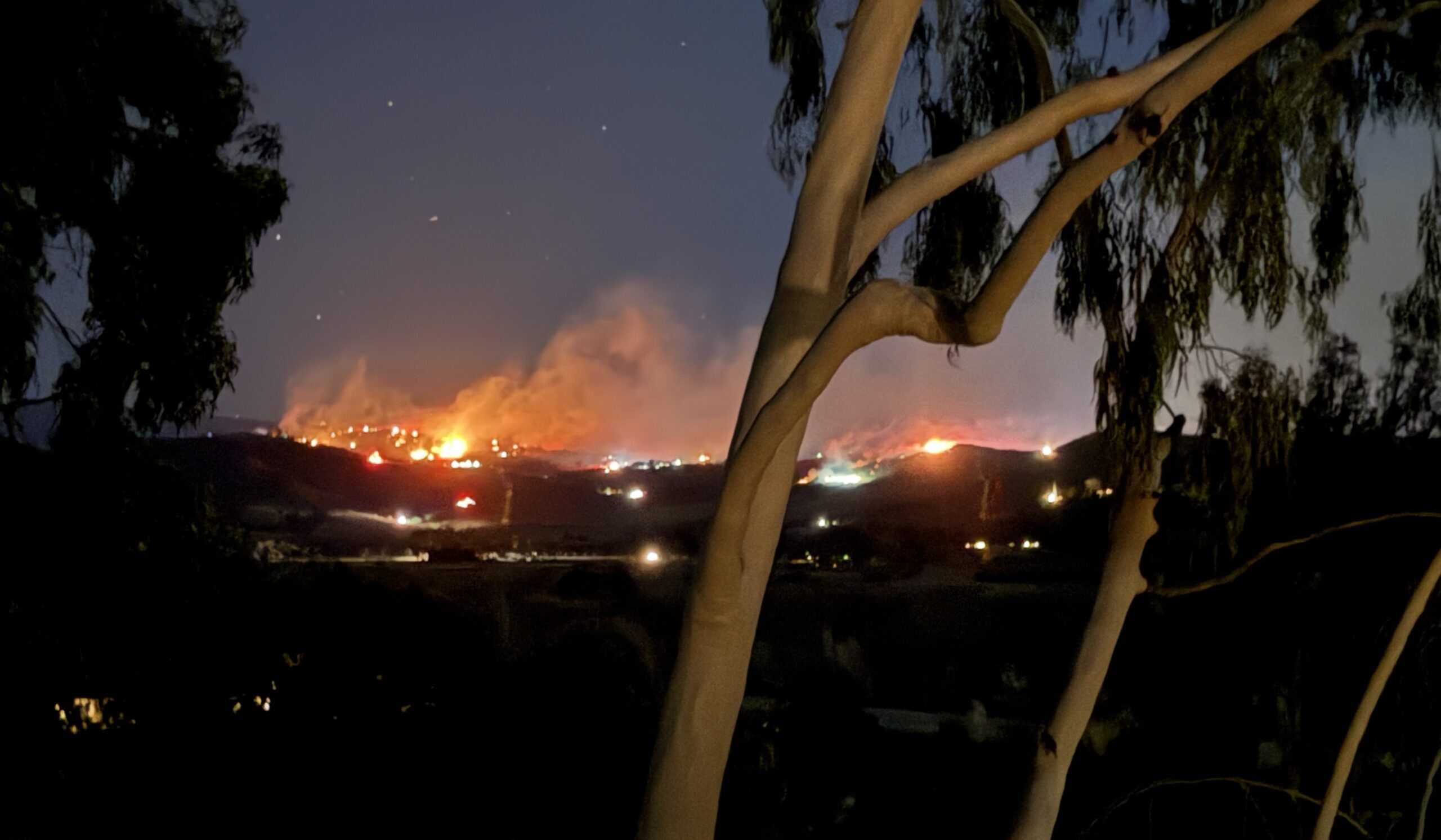
And then, last month, a brush fire quickly grew out of control near her home.
“That night, after hearing about the fires in L.A., I prayed that God would protect our home and family,” Maine said. “A few hours later, at 2 a.m., my neighbor called to warn us that the Lilac Fire had sparked behind our house.”
For Maine, the Lilac Fire, which charred 85 acres in the sparsely developed northeastern reaches of San Diego County, brought the reality of wildfire risk into sharp focus.
“The Lilac Fire forced me to look deeper into how the government is managing wildfire defense,” Maine said. “I was shocked to learn that the FAIR Plan may not have enough funds to cover all the policies it holds. We love our home, we love our state, and we hope someone will take the initiative to bring insurance companies back to California by doing the right things.”
The FAIR Plan is struggling to handle the mass of claims from the firestorm that torched large neighborhoods in Los Angeles County, reporting a loss of approximately $4 billion from the Eaton and Palisades fires.
On Tuesday, the state Insurance Department announced the plan would need a $1 billion bailout to pay out claims related to the Los Angeles wildfires. The funds will likely come from private insurance companies in California, which will likely further drive up insurance costs.
According to Hardin, local officials must adopt stronger fire safety standards, enforce defensible space requirements, and educate homeowners on reducing fire risks to remain insurable. Without these measures, she warned, communities may become uninsurable.
Hardin said that developments like the recently approved 199-unit Olive Park apartment complex in Oceanside raise red flags for insurers because of limited evacuation routes.
“There’s only one road in and out,” she said. “We need to think about where we’re building and whether it’s accessible to firefighters — not just putting people into high fire risk zones.”
McArthur emphasized that homeowners must also take responsibility for fireproofing their properties.
“If customers are getting non-renewed, it’s often because they’re not following insurance company requests—like clearing debris and flammable materials,” McArthur said. “As far as homeowners are concerned, they have a responsibility to help the insurance company justify keeping their policies insured so that the coverage is there when you need it.”
Hardin agreed, stressing the need for increased homeowner education.
“We need to talk about homeowner responsibility more,” she said. “People need to stop waiting until there’s a loss to act. We talk to residents about defensible space, and they say, ‘Oh, I like the ivy plant around my house.’ That lack of understanding facilitates the spread and damage in wildfires.”
Hardin said the solution must include more vigorous community-level fire preparation and proactive homeowner responsibility.


