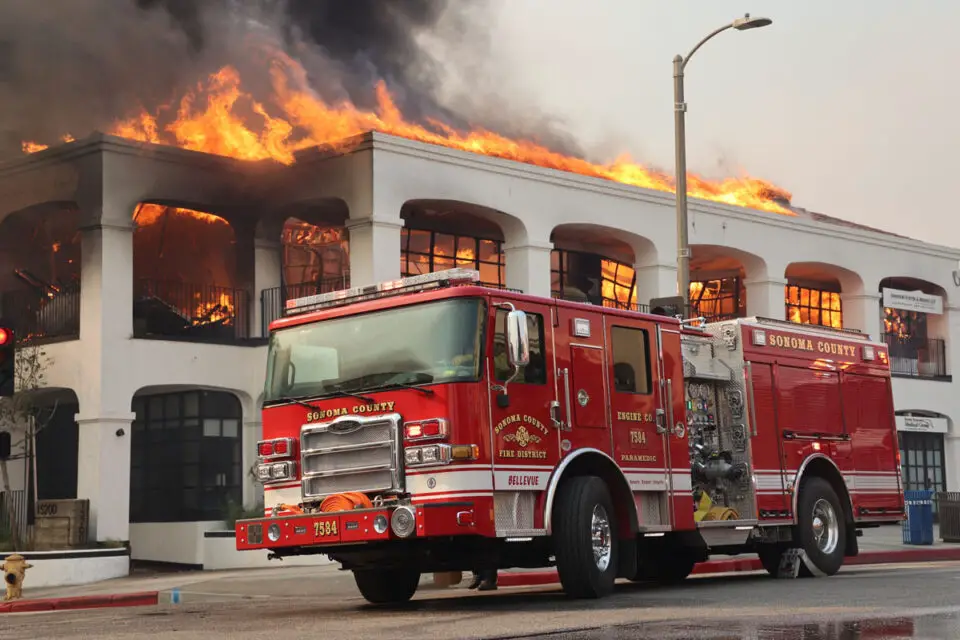
This month marks the one-year anniversary of the devastating Eaton and Palisades fires that tore apart Los Angeles County. These fires killed 31 people, destroyed over 16,000 structures, and left behind $28 billion in insured losses.
Even over 100 miles away in North County San Diego, we felt the deep impact, whether from the smoke in the air or the understanding that it could have been us.
For me, wildfires and their aftermath have long been personal, and if you own a home in California, they’re personal to you, too.
In 2023, my wife and I were dropped from our longtime homeowners’ insurance after our Bonsall condo community was reclassified as a high-fire-risk area. Our HOA worked quickly to piece together a layered policy, with each unit facing a down payment of over $1,800; a monthly premium that hit working families and retirees especially hard.
My experience with these disasters extends even further back. In early 2018, I was evacuated as deadly mudslides devastated Montecito, just weeks after massive wildfires across Santa Barbara. With the hillsides stripped of vegetation, rain caused massive mud and debris flows that destroyed homes and claimed lives.
I later volunteered with a congressional campaign, going door to door in numerous abandoned, mud-filled houses. It was heartbreaking and entirely preventable.
Engineers had warned in the 1970s that Santa Barbara’s debris basins were too small. But after the 1969 oil spill, environmental opposition seemingly stalled every meaningful expansion effort. The price of inaction (driven by politics, not science) was devastating.
And it’s a mistake California keeps making. We saw it in the 70’s, and every decade after. Enough is enough.
Instead of our leaders focusing on clearing overgrown state lands or expanding prescribed burns, Sacramento has turned its attention to homeowners. New “Zone Zero” mandates require residents to remove fences, mulch, and even potted plants within 5 feet of their homes. All of which are common features in neighborhoods like mine.
Meanwhile, the real fire risks, unmanaged fuel loads, blocked firebreaks, and open-flame encampments in dry canyons go largely unaddressed.
Make no mistake, North County is a strong and determined community. We band together when it matters. Neighbors clearing brush, volunteers stepping up, and firefighters giving it their all. But we can’t do this alone.
We need real investment in prevention. We need local control, not Sacramento overreach. And we need leadership willing to challenge broken systems before the next fire strikes. We can’t keep with the status quo.
Let’s not wait for a disaster here to demand the reforms we already know we need. Start talking to your local officials. Show up to fire board meetings. Ask hard questions. And don’t settle for silence when your safety is on the line. Now is the time to act, especially before North County becomes the next headline.
Cole Marting is a Fallbrook resident, small business owner, and the author of “California’s Toughest Challenges and the Common Sense Conservative Ways to Solve Them.”