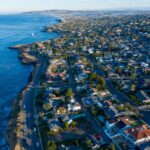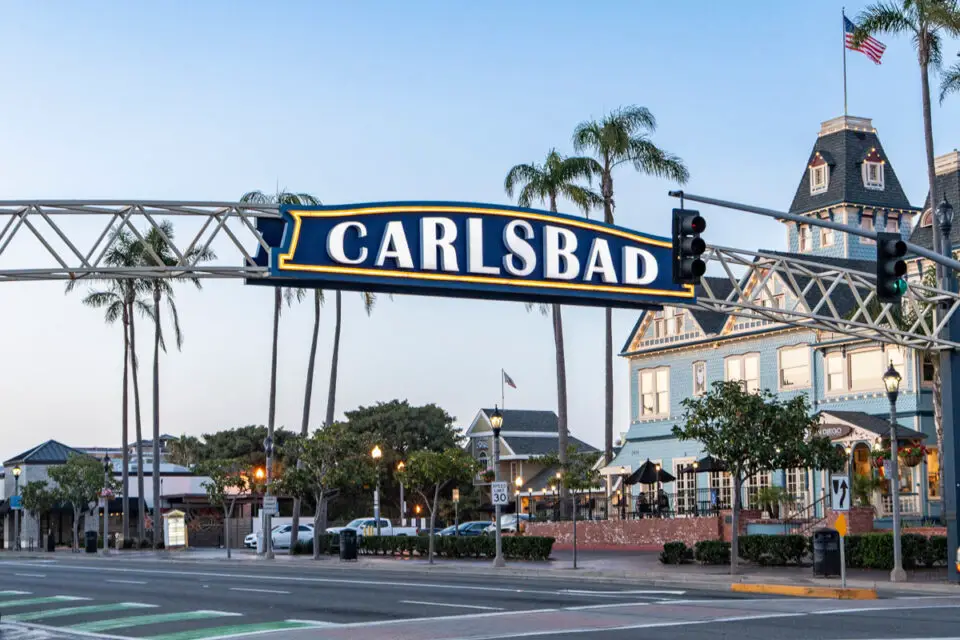
One reason my wife and I love Carlsbad is its unique character. Beautiful neighborhoods, coastal charm, parks, open spaces, and a relaxed atmosphere make our city special. We enjoy the amenities of a thriving community without the congestion, density, and towering buildings of larger metropolitan areas.
Carlsbad is a beach town, not a big city. Let’s be careful we don’t lose that identity.
Recently, my wife and I drove past a vacant property near Bressi Ranch and commented on what a wonderful neighborhood park it could become. We envisioned shade trees, walking paths, a playground, and perhaps a dog park where neighbors could gather.
Instead, I learned through The Coast News that the Carlsbad Planning Commission unanimously approved a 320-unit apartment development on approximately 5.32 acres. The project includes buildings reaching six stories, 43 affordable housing units, a 50% density bonus, and five waivers from development standards.
I understand California’s housing requirements and the need for additional housing, including affordable options. As a former City Council member and Fire Chief, I recognize the difficult balance between state mandates, development pressures, public safety, infrastructure, and neighborhood interests.
But this approval raises a larger question:
Are we managing growth to preserve Carlsbad’s character, or allowing individual projects to gradually redefine it?
Community Character and Public Safety Matter
Every development changes a community. The cumulative effects of increased density, taller buildings, additional traffic, and reduced open space can dramatically alter a city’s appearance and quality of life.
Development standards exist for a reason. When density bonuses and waivers are granted, residents deserve to understand what is changing and how neighborhood compatibility is being protected.
I personally don’t know of another six-story residential building in Carlsbad, although there may be others. Regardless, this proposed height raises questions about our city’s preparedness for taller structures.
As a retired Fire Chief, I know that taller buildings can present additional firefighting and rescue challenges. They require careful evaluation of emergency access, aerial ladder capabilities, water supply, personnel, equipment, and response times.
The Insurance Services Office (ISO) evaluates community fire protection capabilities, including staffing, equipment, deployment, and available water supply. These evaluations can affect insurance classifications.
If state housing laws allow greater building heights and densities, what responsibility does the state have to help fund any additional fire protection resources our city may need?
Have those costs been evaluated? Will additional staffing, specialized equipment, or infrastructure improvements be necessary? If so, who pays—the developer, the state, or Carlsbad taxpayers?
These are reasonable public safety and financial questions deserving answers.
Which Community Was Consulted?
One statement in the news article caught my attention. A Planning Commissioner praised the developer for listening to the community.
My immediate question was: Which community?
As a nearby Carlsbad homeowner, I received no direct invitation to participate in discussions about this development.
Although the city published a public hearing notice, meeting legal requirements and meaningfully engaging residents are not necessarily the same.
Did the city contact surrounding neighborhoods and homeowners associations? What concerns were raised, and did community input influence the final plans?
A Better Approach to Growth
I believe Carlsbad should consistently emphasize neighborhood compatibility, meaningful public participation, and adequate infrastructure when considering major developments.
Residents deserve clear explanations of building-height waivers, density increases, traffic impacts, emergency service capabilities, and opportunities for parks and recreation.
Most importantly, growth should include an honest accounting of the long-term costs to taxpayers, particularly when public safety resources must expand.
Residents should also know that they may appeal certain Planning Commission decisions to the City Council under established procedures and deadlines. The City Clerk can explain the applicable requirements.
Growth Without Losing Our Identity
This isn’t about opposing housing or the families who will eventually call these developments home. It’s about ensuring new projects contribute positively to Carlsbad’s future.
I am not suggesting we stop growth. I am suggesting we pay closer attention to how we grow.
Good planning isn’t simply about how many housing units we approve. It’s about preserving the qualities that made people want to live here in the first place.
My wife and I saw the possibility of a neighborhood park. The Planning Commission approved 320 apartments.
Carlsbad will continue to grow. Let’s make sure our public safety, infrastructure, and community character grow responsibly.
Mark Muir is a Carlsbad resident, former Encinitas fire chief and former Encinitas City Council member.