In America, there’s a tendency to think every successful business begins with a business plan. Sometimes it begins with a conversation. Most times it is a conversation.
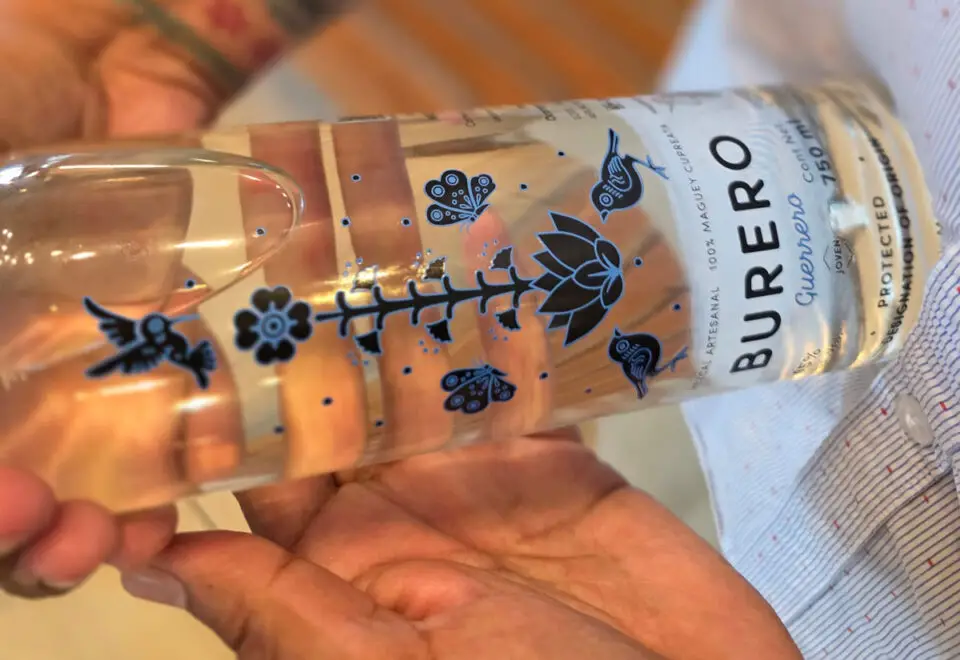
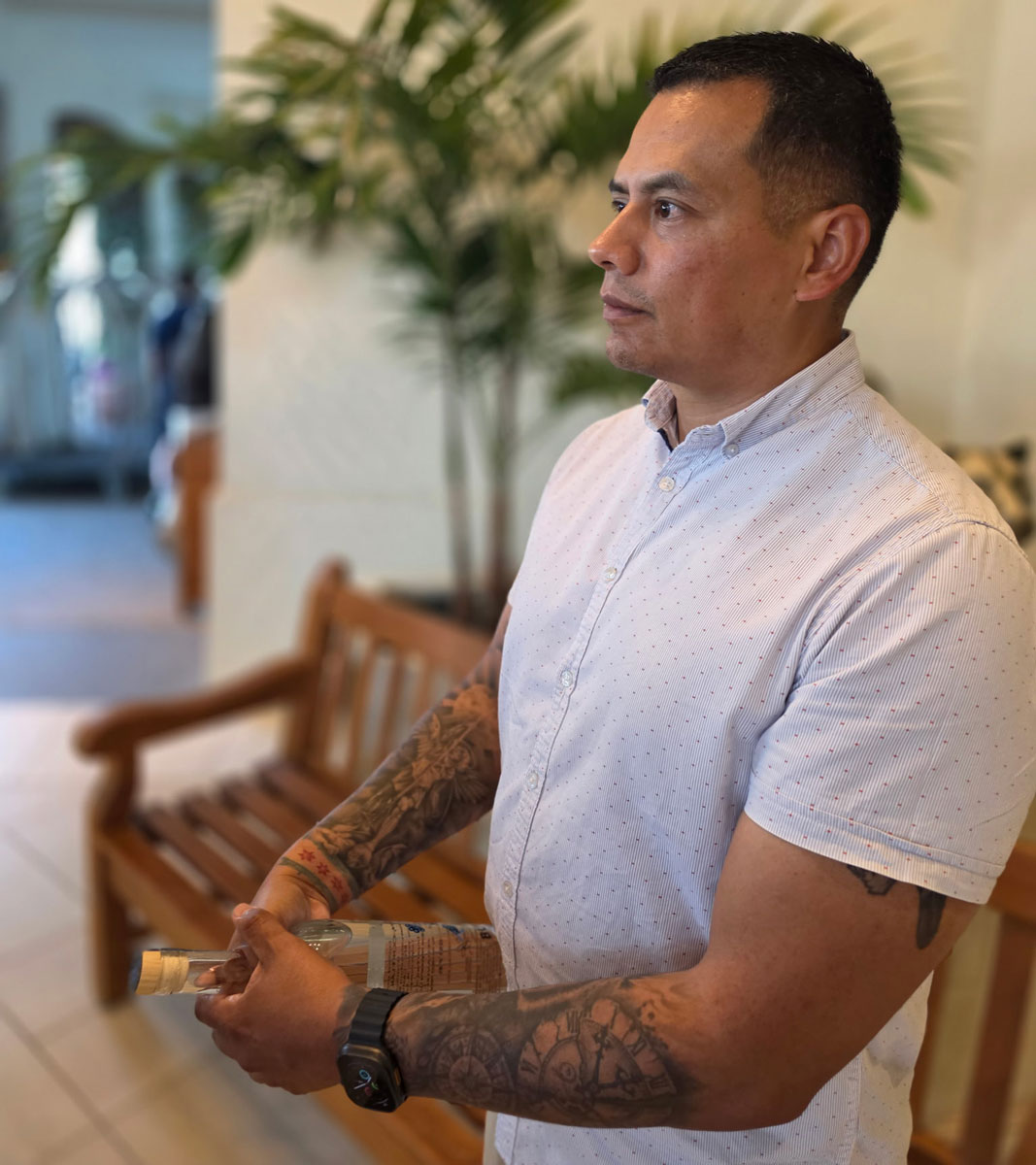
For Saul Ocampo, entrepreneur, Marine veteran, and founder of Ocampo Imports and Burero Mezcal, that conversation stretched across borders, generations, and cultures. What began as curiosity about his family’s roots in Guerrero, Mexico, eventually became an effort to introduce authentic mezcal to American consumers.
Yet this is not really a story about alcohol. It is a story about heritage, identity, and recognizing that some of life’s most valuable opportunities are hidden in relationships we already have. Yes, as I noted, spirits are at the center of this story.
North County San Diego has long been shaped by people who move between worlds. Before California was California, it was part of the Virreinato de Nueva España. The borders have changed. Las fronteras han cambiado. The flags have changed. Las banderas han cambiado. Yet the builders remain.
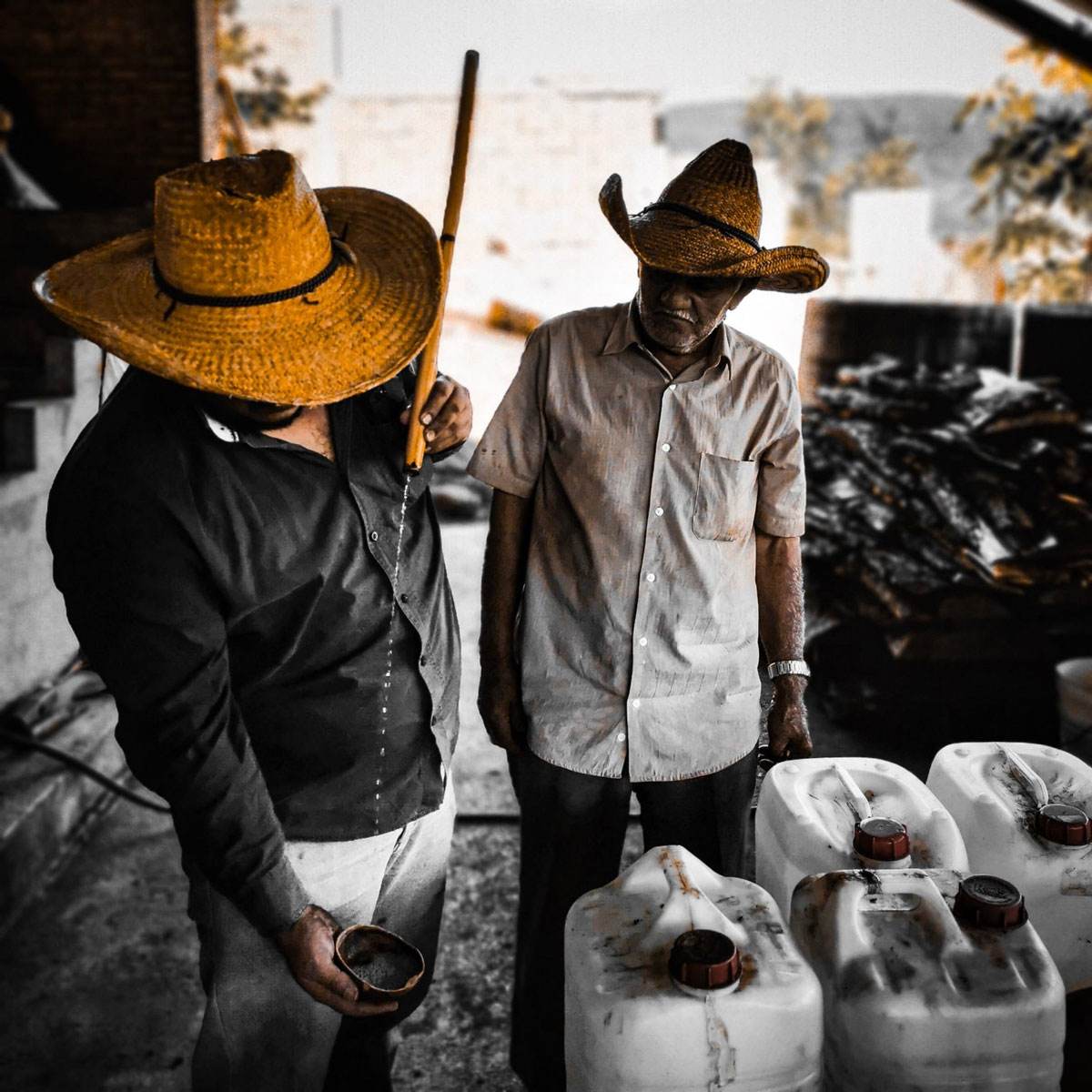
Saul’s story reminds us that entrepreneurship is often less about creating something entirely new and more about building bridges between communities, markets, and generations. The traditions of mezcal production in Guerrero long predate modern branding, social media, and global distribution networks. What Saul recognized was that he wasn’t simply importing a product. He was helping tell a story about family, culture, place, and legacy.
That realization led me to ask a question that sits at the heart of this column. As a Marine, entrepreneur, and business owner, what has been the most valuable form of capital in his life?
His answer was revealing.
“My time in the United States Marine Corps taught me discipline, accountability, resilience, and the importance of serving something greater than myself,” Ocampo said. “Financial capital can be lost and rebuilt, but the character, work ethic, and trust you develop over time stay with you and continue to create opportunities.”
Most people immediately think of money when they hear the word capital. Investors think of financial capital. Entrepreneurs think of startup capital. Economists think of productive capital. Yet Ocampo’s answer points toward something deeper. Character itself can become a form of capital because it shapes how people view us, trust us, and choose to work with us.
He also emphasized the importance of relationships.
“As an entrepreneur and business owner, I’ve learned that relationships are often more valuable than money,” he explained. “The support of family, mentors, partners, customers, and communities has opened doors that financial resources alone could never unlock.”
That observation aligns closely with a concept I explore in my forthcoming book, “Getting Deals Done.” I call it Peoplism™ — the belief that people are the most important thing and that trust remains the ultimate form of capital. Every successful business, institution, and community ultimately rests upon human relationships. Financial capital may fuel growth, but trust sustains it.
Perhaps the most compelling part of Ocampo’s answer, however, involved what he described as cultural capital. Through Burero, he has come to appreciate that the traditions, knowledge, and heritage passed down through generations are priceless assets.
The wisdom of mezcal-producing families in Guerrero, the region’s culture, and the stories of ancestors cannot be measured on a balance sheet, yet they form the foundation of the company’s identity and purpose.
Then Ocampo introduced a term that may be even more powerful.
“If I had to choose one form of capital above all others,” he said, “I would say it is legacy capital. The combination of character, relationships, and cultural heritage that we inherit and pass on. Financial success is important, but what endures is the impact we have on others, the values we uphold, and the legacy we leave behind for future generations.”
That may be one of the most important business lessons hidden in North County.
As Oceanside, Carlsbad, Encinitas, and the rest of our region continue to evolve, entrepreneurs like Saul Ocampo remind us that prosperity is about far more than profits. It is about stewardship, identity, community, and the values we choose to carry forward.
As Ecclesiastes reminds us, “No hay nada nuevo bajo el sol.” Nothing new under the sun. Only new dreamers carrying old wisdom into a new age.
And that’s how deals get done.
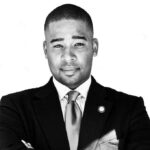
Patrick A. Howell is the author of “Getting Deals Done: The Memoirs of a Super Achiever in the Era of Apex Capitalism.” Howell also hosts the “Getting Deals Done” podcast, available on Apple Podcasts, Spotify, iHeartRadio, Amazon Music and other major platforms. Contact him at [email protected].