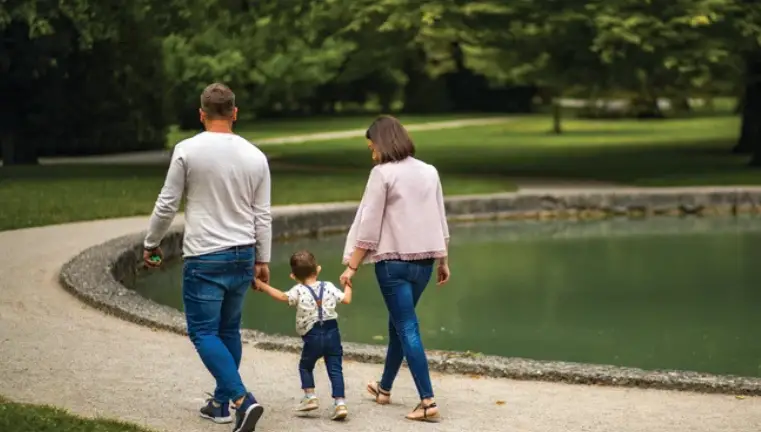
The demand for foster care in Newcastle, New South Wales, is reaching critical levels. More children than ever are being placed in out-of-home care as families face a range of complex social, economic, and personal challenges. Despite this growing need, the number of available foster carers continues to fall short, creating a widening gap that affects both services and the children who rely on them.
In the context of foster care Newcastle, this imbalance is placing increasing strain on child protection systems and limiting the ability to provide stable, supportive environments for vulnerable young people. Without enough carers to meet demand, many children face uncertainty at crucial stages of their development, highlighting the urgent need for more community involvement and support.
Rising demand for foster care in Newcastle
Newcastle, like many parts of Australia, has seen a steady increase in reports of child neglect, abuse, and family breakdown. These situations often require immediate intervention, resulting in children being removed from unsafe environments and placed into foster care.
Several contributing factors are driving this trend. The rising cost of living, housing stress, and unemployment have placed many families under significant strain. In some cases, this stress escalates into domestic violence or the inability to provide adequate care for children. Additionally, ongoing issues such as mental health challenges and substance misuse continue to impact family stability across the region.
As a result, more children in Newcastle are entering the foster care system than ever before, often at short notice and in urgent need of safe, stable homes.
Shortage of foster carers across NSW
While the demand for foster placements continues to rise, the number of available foster carers in New South Wales remains critically low. Many existing carers are also ageing out of the system or stepping back due to the emotional and financial demands involved.
This shortage means that some children are placed far from their local communities, schools, and support networks. Others may experience multiple short-term placements, which can contribute to emotional distress, trauma, and long-term developmental challenges.
Stability is one of the most important factors in a child’s recovery and well-being. When children are moved repeatedly or placed in unfamiliar environments, it can significantly impact their sense of security and belonging.
The importance of local foster care in Newcastle
Local foster care plays a vital role in ensuring that children remain connected to their community. When children can stay in Newcastle, they are more likely to maintain relationships with friends, continue attending familiar schools, and access local support services.
Foster carers also provide more than just accommodation. They offer emotional support, structure, and a safe environment where children can begin to heal from trauma. For many children, even a short period in a stable foster home can make a lasting difference in their future well-being.
There is a particular need for diverse foster carers, including single carers, couples, families with children, and individuals from a range of cultural and professional backgrounds. This diversity helps ensure that children’s unique needs are met with understanding and care.
How the community can help
Addressing the shortage of foster homes in Newcastle requires a strong community response. Becoming a foster carer is one of the most impactful ways individuals can contribute to the welfare of vulnerable children. While the role is undoubtedly challenging, it is also deeply rewarding and supported by ongoing training and professional guidance.
For those unable to foster, there are still meaningful ways to help, including supporting local foster care organisations, raising awareness, and advocating for stronger child protection systems.
Conclusion
Children in Newcastle need foster homes more than ever due to rising social pressures and a shortage of available carers. Ensuring that every child has access to a safe, stable, and supportive home environment is a shared responsibility. With greater community involvement and awareness, more children can be allowed to heal, grow, and thrive in a secure family setting.