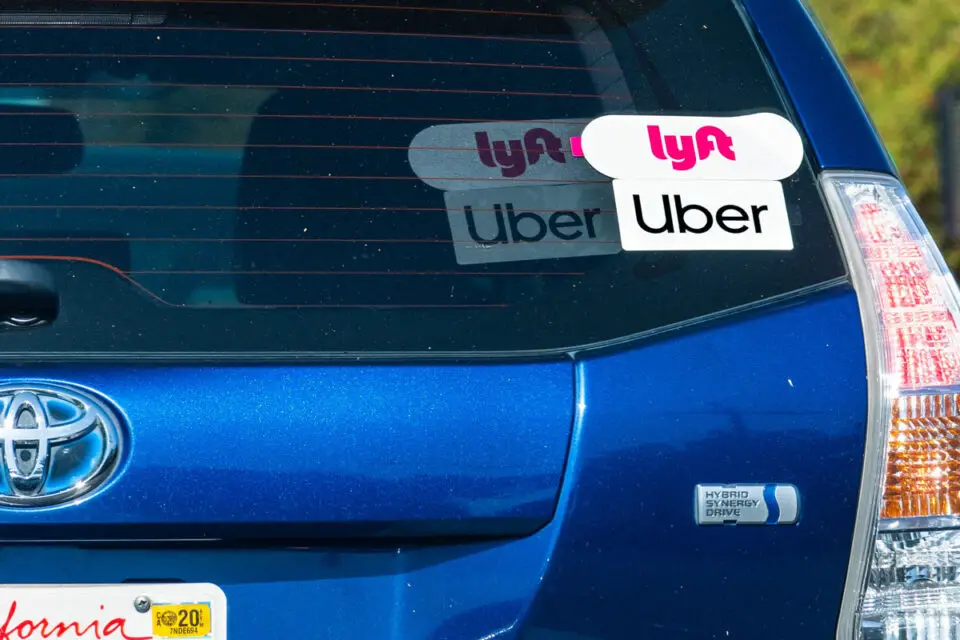
REGION — California voters will decide two newly qualified statewide ballot measures in November, one aimed at increasing oversight of special tax-funded programs and another that would expand rideshare company liability and impose new safety requirements.
Secretary of State Shirley N. Weber announced this week that both initiatives gathered enough valid signatures to qualify for the Nov. 3, 2026, general election ballot. Both measures are scheduled for certification on June 25 unless withdrawn by their proponents.
The first initiative would amend the California Constitution to require recurring audits of programs funded by statewide special taxes approved after Jan. 1, 2026. Special tax measures placed on the ballot through the initiative process would also require a pre-election audit of programs slated to receive funding.
The measure would further prohibit new state taxes enacted after Jan. 1, 2026, from being excluded from California’s existing voter-approved state spending limit, including taxes appearing on the same ballot as the proposal.
According to the Secretary of State’s Office, the initiative needed 874,641 valid signatures to qualify and exceeded that threshold through a random sampling process.
A fiscal analysis by the Legislative Analyst’s Office and the Department of Finance found that the proposal’s overall fiscal impact is unknown, noting that future costs and savings would depend on the number of tax measures requiring audits, additional voter guide expenses and any savings identified through the audit process.
The measure’s proponent is Sacramento attorney Kurt R. Oneto.
The second initiative would classify rideshare companies as common carriers under California law, placing them in the same category as taxis, buses and trains and requiring them to meet a heightened standard of care to protect passengers.
Under the proposal, rideshare companies would be held legally responsible for sexual misconduct, including sexual assault, committed against riders or drivers, regardless of whether drivers are classified as independent contractors.
The measure would also require rideshare companies to publish monthly reports detailing incidents of sexual misconduct, notify riders of known risks associated with matched drivers and conduct annual fingerprint-based background checks on drivers.
The initiative needed 546,651 valid signatures to qualify and also exceeded the threshold through a random sampling process, according to state election officials.
Fiscal analysts estimated that the proposal could increase state costs by the low tens of millions of dollars to the mid-tens of millions annually for fingerprint-based background checks, along with additional court and regulatory expenses.
The measure’s proponent is Sacramento attorney James C. Harrison.
Related Articles:
- Election Q&A with Oceanside City Council candidates October 22, 2024
- Election 2026: A guide to North County races August 24, 2026
- Election 2024: Voter guide to statewide propositions October 24, 2024
- Audit finds financial issues with foundations at… August 12, 2025
- Escondido council sends one-cent sales tax to… July 15, 2024
- Election Q&A with Carlsbad City Council, city… October 23, 2024