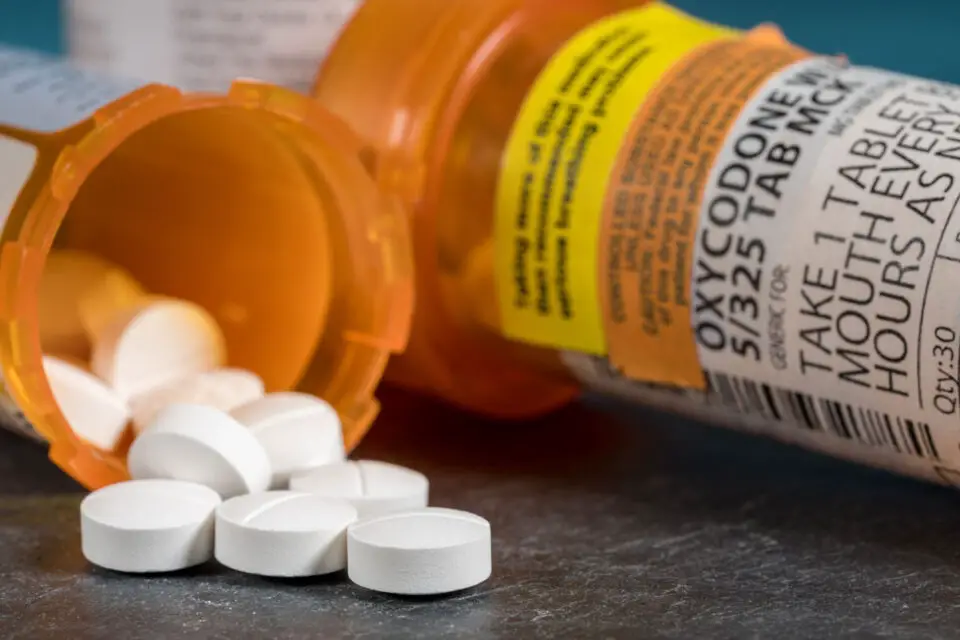
OCEANSIDE — The city has set aside funding from a state opioid remediation program, which uses money from a national settlement with a prescription opioid manufacturer and several pharmaceutical distributors, for local organizations providing drug prevention and treatment services.
In 2021, Janssen Pharmaceuticals and opioid distributors McKesson, AmerisourceBergen and Cardinal Health finalized a $26 billion settlement for their role in the nation’s opioid epidemic.
States nationwide are receiving funds from that settlement, including California, which is slated to receive $2.05 billion over 18 years for opioid abatement and remediation efforts focused on prevention, intervention, harm reduction, treatment and recovery services.
Oceanside uses its share of the settlement funds for the Oceanside Drug-Free Initiative, which earlier this year sought proposals for targeted intervention programs to discourage local youth from using drugs.
According to staff, some Oceanside communities continue to face challenges related to gang involvement, youth violence, drug experimentation and abuse, poverty, and other high-risk behaviors. Additional factors that place some local youth at risk for substance use disorders include a higher juvenile crime rate than comparable cities, lower graduation rates, limited access to affordable after-school programs, and a notable percentage of youth with learning disabilities.
This year, Oceanside awarded $340,000 to six organizations:
• $50,000 to the Boys & Girls Clubs of Northwest San Diego for Healthy Minds, an evidence-based national program that educates middle and high school students about substance use disorders;
• $150,000 to Lifeline Community Services for We Rise, the only youth substance use disorder treatment program in Oceanside;
• $50,000 to the North County LGBTQ Resource Center for Thrive Out Loud, an after-school program focused on preventing substance use disorders among LGBTQ youth;
• $25,000 to the Mano a Mano Foundation for a Spanish-language opioid prevention program;
• $25,000 to TrueCare for its peer-to-peer advocacy and referral program; and
• $40,000 to Vista Community Clinic for 420 Remix, a youth substance use disorder prevention program offered in local schools.
Both city staff and the mayor emphasized that the state program has strict requirements for service providers seeking funding.
“The requirements are really high,” said Mayor Esther Sanchez.
Sanchez encouraged city staff to continue working with Poseiden Foundation’s Micaela Ramirez, who applied for funding for her organization’s programming but was not selected for a Drug-Free Initiative grant this year.
“Ms. Ramirez has incredible contacts with our youth, especially those at risk of becoming addicted,” Sanchez said.
Ramirez said she is hopeful that her nonprofit, which seeks to inspire children to pursue their goals through skateboarding, will secure funding in the future.
“I want to see how I could meet those requirements for next year,” she said. “I want to expand what we do, and see how we can make an impact.”
Councilmember Jimmy Figueroa said he was pleased to see Lifeline Community Services among the organizations receiving funding.
“Their case managers are the best that we have here in North County,” he said.
Looking ahead, Deputy Mayor Eric Joyce asked for a broader discussion about funding for youth programs, noting the city’s anticipated growth in cannabis business tax revenue as more businesses come online, including future storefront dispensaries.