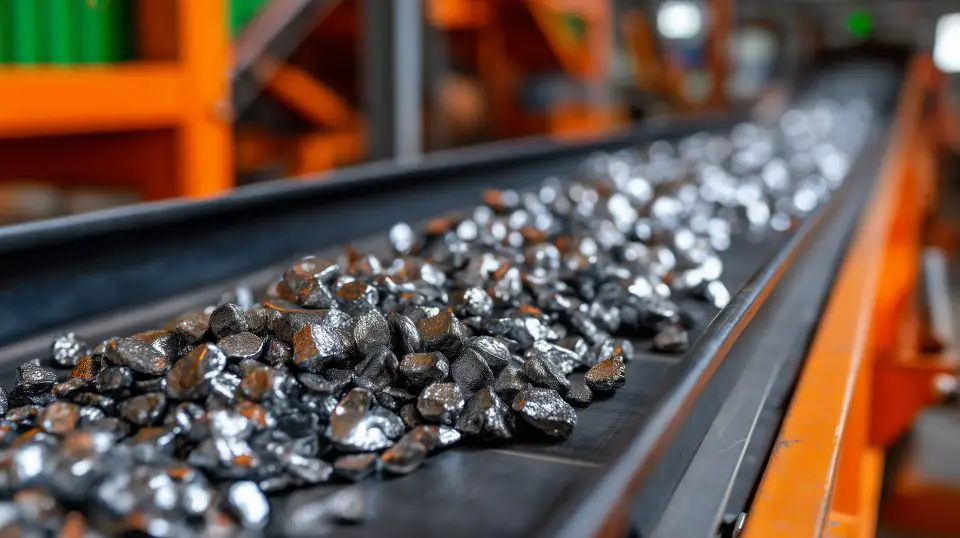
In 2026, silver scarcity has become one of the defining features of the market.
This marks a clear shift from decades of relative abundance to a sustained, long term shortage. This is not a temporary swing in prices or a short lived disruption. It reflects a deeper reality shaped by firm production limits and fast growing demand that cannot easily be replaced.
Roughly 70–80% of the world’s silver supply is produced as a byproduct of mining for copper, lead, and zinc. Dedicated silver mines are rare. As a result, production cannot quickly increase when demand rises or prices spike.
New mines take time. It often requires 7–15 years to move from discovery to meaningful output. At the same time, many existing mines are dealing with lower quality ore and rising operating costs.
For years, above ground stockpiles helped balance the market. That buffer is now gone. From 2021 through 2025, global silver inventories declined year after year, creating cumulative shortages approaching 820 million ounces. Early projections for 2026 suggest another shortfall of 150–200 million ounces or more.
Geopolitics add further strain. China has recently classified silver as a strategic material, tightening export licenses and prioritizing domestic industrial use. This has added friction to global supply chains and reduced the amount of metal available to international markets.
On the demand side, industrial use now accounts for roughly 55–60% of total silver consumption and continues to grow.
The largest driver is the green energy transition. Solar power alone consumes an estimated 120–130 million ounces of silver each year. Global solar capacity is expected to reach about 665 gigawatts by 2026. Each solar panel relies on silver for conductivity, and efforts to reduce silver use per panel have lagged behind the rapid pace of installation.
Electric vehicles add further pressure. EVs use significantly more silver than traditional cars, often 50–100 grams per vehicle. With 14–15 million EVs expected to be produced in 2026, that demand alone could require 70–75 million ounces.
Additional growth comes from 5G networks, AI data centers, advanced electronics, medical devices, aerospace, and smart grid infrastructure.
Investment demand reinforces the trend. Silver serves as both an industrial metal and a monetary asset, attracting physical buyers and investors during periods of economic uncertainty. Because industries cannot easily replace silver and investors tend to buy more when shortages appear, demand remains unusually firm.
The result is a widening gap between supply and need. Without major new mine discoveries or rapid technological substitutes, physical availability tightens, dealer premiums rise, and prices face sustained upward pressure.
Some analysts now project silver prices in the 100–150 dollar per ounce range if annual deficits persist.
The long era of easy silver supply appears to be over.
For informational purposes only. This column does not constitute investment advice. Special support provided by First National Bullion.

Hayden Gerson is an Austrian School economist focused on educating the public about precious metals and crypto. This commentary is provided for general information. This column is not intended as investment advice. Investors should do their own research or consult a professional adviser.