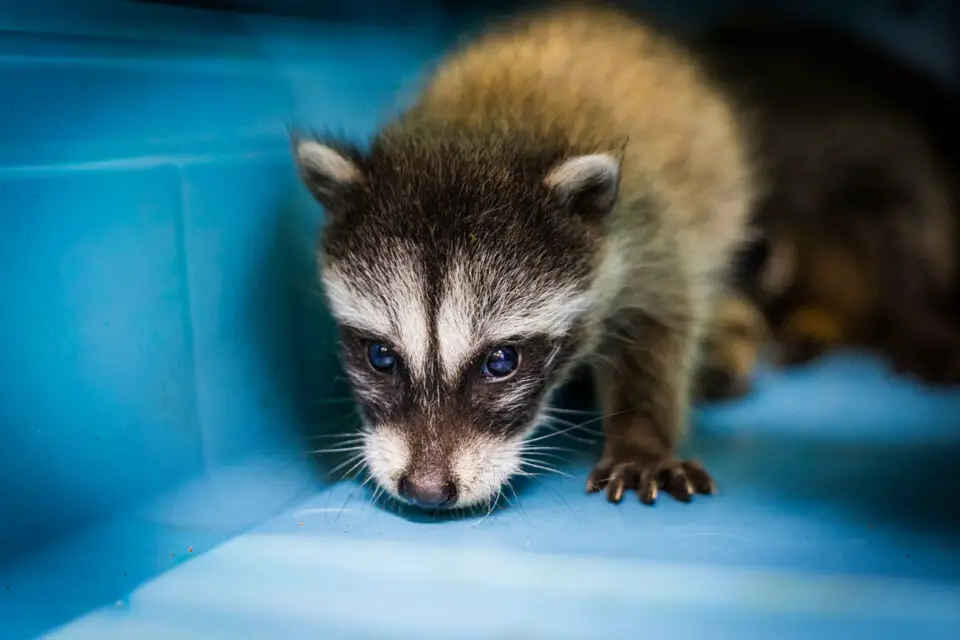
SAN DIEGO — The first three graduates of the San Diego Humane Society’s raccoon nursery at its Ramona Wildlife Center have returned to the wild, the organization announced Thursday.
The three orphaned juvenile raccoons were brought to the San Diego Humane Society separately between May 18 and June 9 after being found by community members in Ocean Beach, Chula Vista and Santee.
According to the animal welfare organization, raccoon kits are typically weaned from their mother’s milk at about 10 to 12 weeks old and, in the wild, would be learning essential survival skills alongside their mother. For orphaned kits, rehabilitation requires specialized care that supports healthy development while preventing dependence on humans.
“This release is especially meaningful because these raccoons are the first graduates of our new centralized raccoon nursery at the Ramona Wildlife Center,” said Autumn Welch, wildlife operations manager at the San Diego Humane Society. “By caring for raccoons in a dedicated setting, we can give them the best possible opportunity to return to their natural environment.”
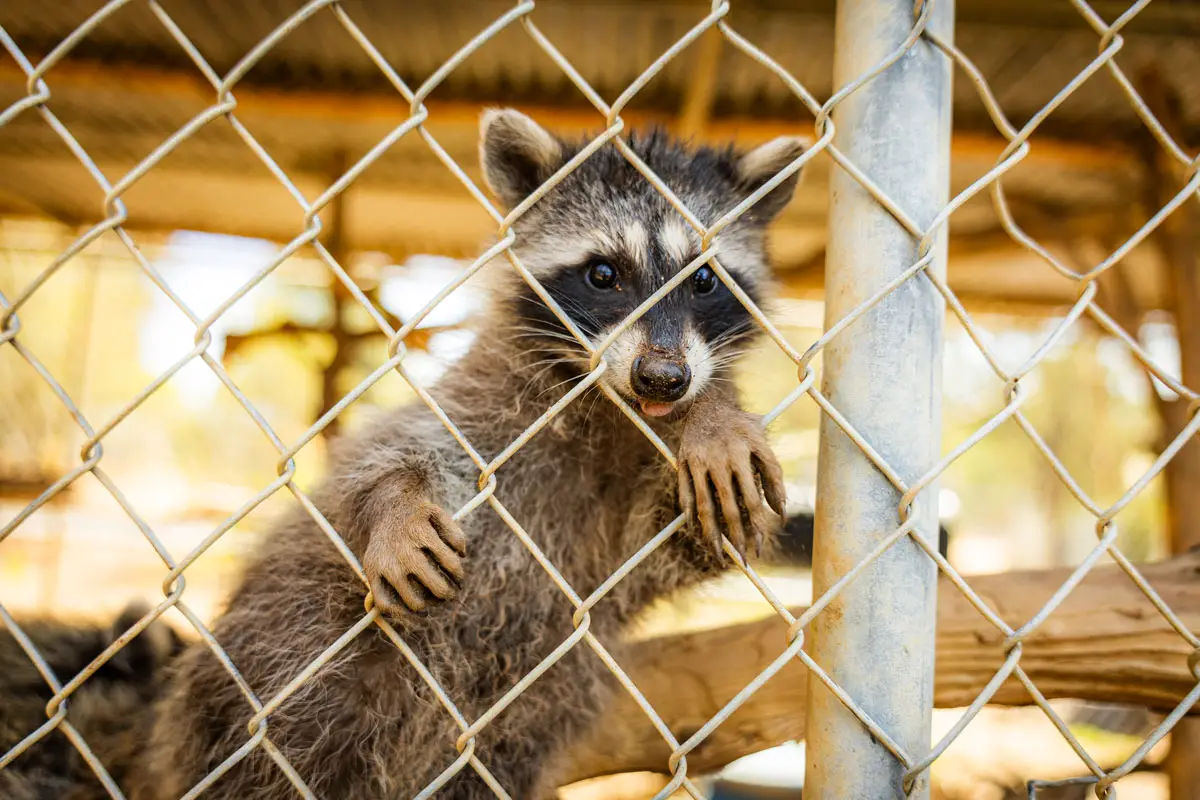
At the Ramona Wildlife Center, the raccoons received vaccines and dewormer and were fed a diet of rodents, birds, fish, eggs, insects, fruit, nuts, seeds and vegetables.
As they grew stronger, the animals were moved to outdoor enclosures designed to “help them build the skills they need to survive independently,” according to the San Diego Humane Society. Those skills included climbing, exploring, foraging and locating natural foods and insects.
All three raccoons were released together July 31 at Mission Trails Regional Park.
In 2025, the San Diego Humane Society’s Project Wildlife program admitted 315 raccoons. So far in 2026, 147 raccoons have entered care.
The organization offers guidance for people who encounter injured, sick or orphaned wild animals through its Wildlife Help Hub at sdhumane.org/wildlifehelp.
Related Articles:
- Orphaned coyote pups returned to wild following… September 2, 2024
- Solana Beach veterinarian opens wildlife hospital December 23, 2025
- Judge says Humane Society illegally returned cats to streets December 30, 2024
- Weekly Crime Reports: Encinitas, Del Mar, Solana Beach August 10, 2024
- Mass rescue operation enters third day at Julian… May 4, 2026
- Orphaned coyote pup begins new life in Virginia… April 29, 2026