
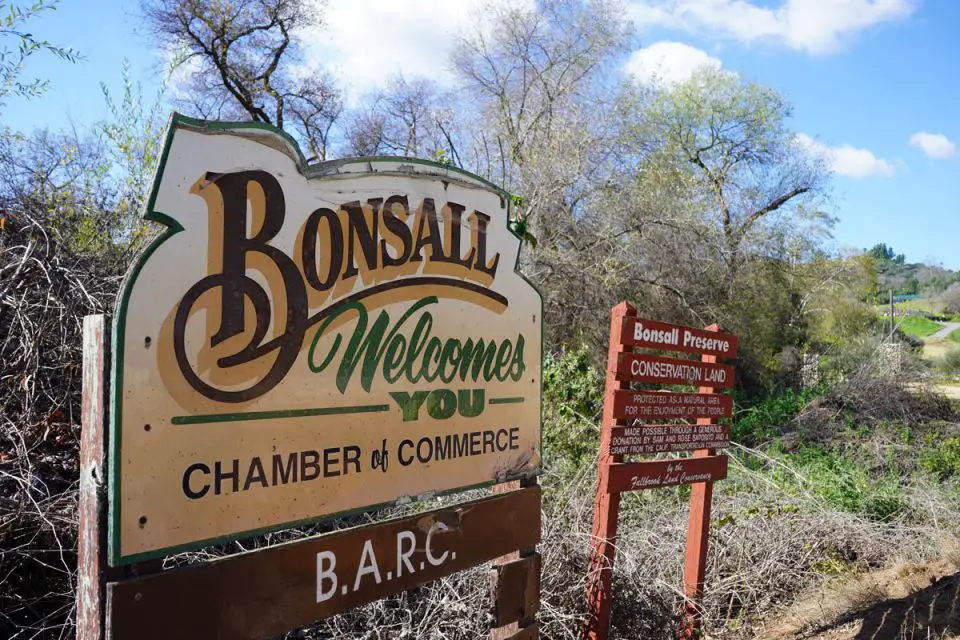
BONSALL — After years of raising concerns about cannabis cultivation near schools, farms and homes, rural San Diego County residents are taking their fight to court, challenging the environmental review behind the county’s plan to expand commercial cannabis operations in unincorporated communities.
No Skunk Butts, a residents’ group, filed a petition for writ of mandate Sept. 18 in San Diego Superior Court alleging the county violated the California Environmental Quality Act when it approved its Socially Equitable Cannabis Program over the summer.
The county program establishes a permitting and licensing framework for new cannabis businesses, including cultivation, manufacturing, distribution, retail, microbusinesses and events.
Previously, only five cannabis businesses were allowed to operate in the county’s unincorporated areas. The county’s environmental review projects up to 372 cannabis cultivation sites and 170 noncultivation sites or licenses in unincorporated areas by 2044.
The lawsuit follows a divided Board of Supervisors vote in August allowing the program to proceed despite strong opposition from rural residents and community planning groups, who have repeatedly sought stronger protections against odor, groundwater depletion and other potential impacts.

Eddie Lain, a Valley Center resident spearheading the lawsuit, said the legal challenge grew out of frustration with the county’s response to public testimony.
“The public told them the impacts were there. Planning groups told them the impacts were there. We told them. And the board moved forward anyway,” Lain said. “To be clear, this is not an anti-cannabis campaign. The county is making decisions about how thousands of acres of agricultural and rural land can be used, while the people who live in those communities have to live with the consequences.”
The group points to Santa Barbara County as a cautionary tale of how commercial cannabis cultivation can affect neighboring farms and rural communities. A presentation shared by the group recounts a visit to Rose Story Farm in Carpinteria, where the smell of cannabis reportedly reached visitors nearly a quarter-mile before they arrived, overshadowing the scent of roses.
Opponents point to Carpinteria as a warning that persistent odors could disrupt outdoor activities, farm tourism and residents’ quality of life.
‘Let’s protect what we have’
For Bonsall organic farmer Neva Day, the debate raises questions about protecting local food production and whether the county’s cannabis program adequately accounts for the demands and risks of farming.
“Farming is the hardest thing I’ve ever done,” Day said. “I don’t think most people really understand how hard it is to get a piece of produce to a grocery store shelf.”
Day and her family have operated a small Bonsall farm that grows certified organic dragon fruit since 2018, continuing the previous owner’s work. The farm also produces avocados and other subtropical crops.
A former senior retail executive and professional cyclist, Day said her business experience and physical conditioning helped prepare her for the rigors of farming. But making a profit has proved difficult, and organic certification limits the tools farmers have to manage pests.
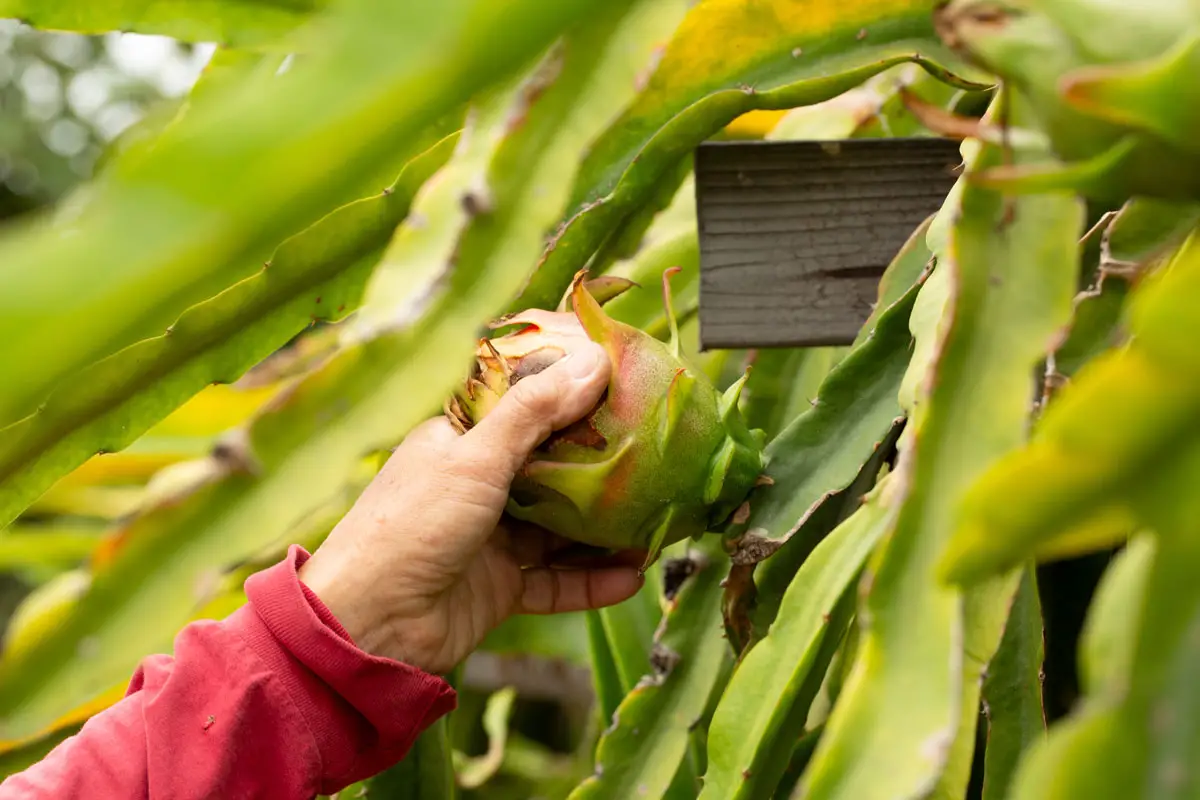
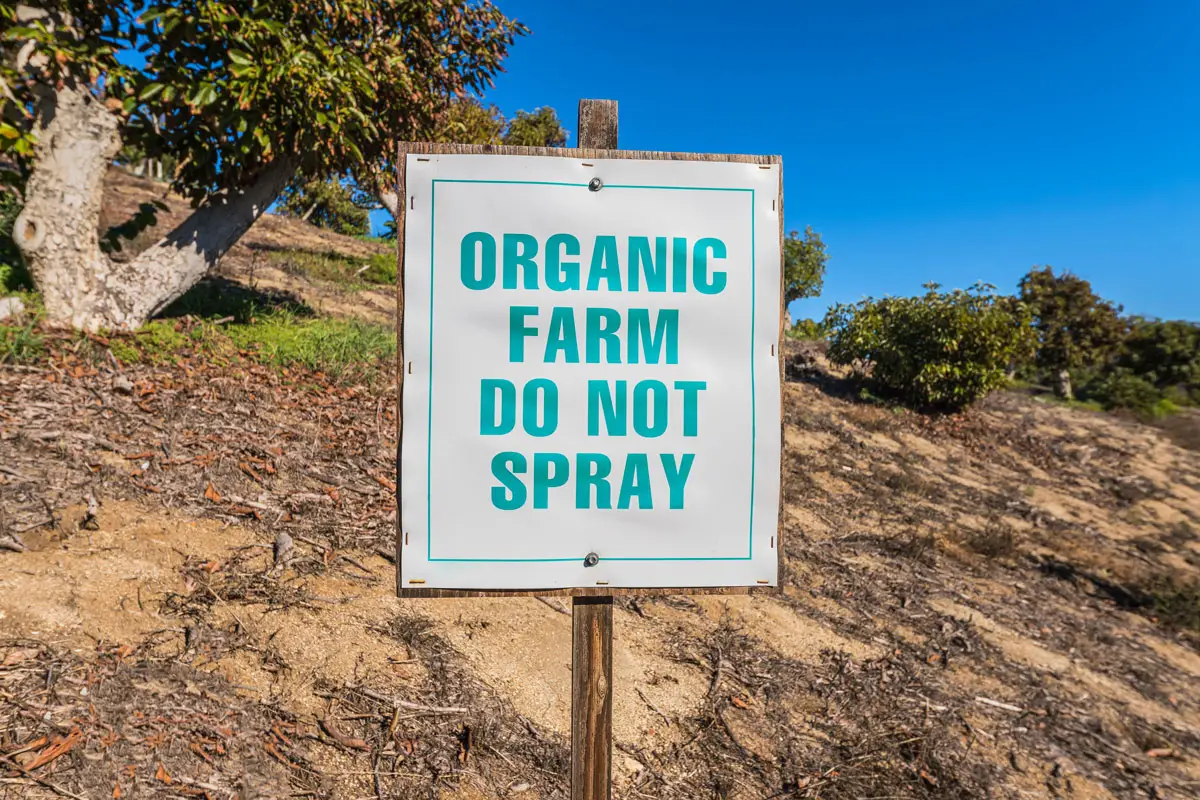
Day worries that expanded cannabis cultivation could increase competition for groundwater and expose neighboring organic farms to pesticide drift and contamination. She said the county should focus more on preserving agricultural land and supporting food growers.
“If we have to live side by side, let’s protect what we have,” she said.
She also questioned whether applicants with limited money or experience would be prepared for the challenges of commercial farming. Day said that while her own operation has benefited from experienced growers and help from the University of California’s small farms program, farming is still not easy.
“A cannabis farmer is as vulnerable as any farmer,” Day said.
‘The more environmentally damaging path’
County officials say the program would regulate cannabis businesses and create jobs and business opportunities for people disproportionately harmed by past cannabis laws, including those who spent years incarcerated for cannabis offenses.
Supporters argue that a regulated system will reduce illegal, “black market” operations and bring economic benefits to the region. Numerous approved equity participants in the county’s program wrote in support, citing the importance of “correcting” the past by providing opportunities for those unfairly ensnared in the criminal justice system.
“(The program) can reverse generational curses into generational wealth,” wrote Spring Valley resident Vincent Stalcup, an approved participant in the cannabis equity program. “Many victims of the failed War on Drugs are still damaged to this day. This is a small way to correct systematic oppression and racism.”
But residents bringing the challenge argue those opportunities should not come at the expense of rural communities’ water supplies, agricultural land and quality of life.
Opponents say cannabis lounges and events could increase impaired driving, while expanded commercial operations could further strain narrow rural roads, hospitals and already limited law enforcement services.
Residents also cite potential health effects from outdoor cultivation and changes to rural character, questioning whether cannabis tax revenue would pay for improvements in the communities hosting those businesses.
“The people who live there are the ones who will experience these operations every day,” Lain said.
As The Coast News previously reported, planning groups across rural North County sought tighter restrictions, including a ban on outdoor cultivation and larger buffers around sensitive uses.
In April, the county Planning Commission agreed, recommending a prohibition of outdoor cannabis farms and requiring 1,000-foot buffers from schools, day care centers, youth centers, parks, trails and places of worship.
The Board of Supervisors instead selected a framework allowing outdoor cultivation with just 600-foot buffers from schools, day care centers and youth centers.
Larissa Anderson, president of the Bonsall Unified School District board and chair of the Bonsall Community Sponsor Group, said community leaders were “deeply disappointed” by supervisors’ decision to approve the program without the stronger environmental protections recommended by the Planning Commission, saying the board had brushed aside residents’ concerns.
“Social equity does not cure deficient environmental review,” Anderson wrote in comments to the board. “The Board of Supervisors majority simply selected the more environmentally damaging path.”
In Bonsall, Anderson questioned whether the 600-foot buffer would protect a planned school site before construction. She also warned that nearby cannabis operations could compete for groundwater and expose organic growers to pesticide drift and contamination.
The Bonsall Community Sponsor Group previously voted unanimously to recommend the no-project alternative.
“Groundwater does not recognize parcel lines,” Anderson said in August.



1 comment
The San Diego County Supervisor current “MAJORITY” (3:5) has hijacked the county! Their policy and spending initiatives are against the will of the people and this includes the new “reparations” policy, called Socially Equitable Cannabis” which will be a very costly disaster. Wake Up San Diego! And thank you Bonsall for stepping forward to sue. VOTE NO on San Diego County Measure A and Measure B so we can vote to say NO to the county this November! And VOTE YES for new County Supervisor Rebecca Jones ans Kristine Alessio, with Shirley Nakawatase for SD County Treasurer.