The “Affordable housing at what cost” article by Felicia Gamez-Weinbaum in The Coast News’ Aug. 21 print edition is well written and explains some of the complexities of Regional Housing Needs Allocation (RHNA), numbers and current housing issues.
Weinbaum didn’t repeat the developers’ mantra: “If we don’t build high-density and gross projects, it won’t pencil out” — the usual lame excuse they repeatedly use.
The real problem is simple: We need higher percentages in the affordable categories that match lower income levels (low and very-low income).
During City Council meetings in 2017 and 2018, we citizen activists fought for higher percentages of affordable housing and begged the council to require 25% affordable units. We worked out the numbers. Developers would still make a fortune, especially here in coastal cities, their No. 1 target.
Then-Mayor Catherine Blakespear’s own housing consultants recommended 25% lower-income housing on certain parcels, a recommendation she rejected.
Our Planning Commission later created a plan and voted unanimously to support 50% in the affordable categories: affordable, low-income, and very low-income. Then-Commissioner Kevin Doyle worked out the math to demonstrate that, at 50%, projects would still “pencil out” for developers.
Blakespear and her fellow council members refused to consider that plausible suggestion. Her own expert housing consultants could not find fault with Doyle’s math.
Instead, Blakespear and the council opted for 10% affordable housing — which in some cases became 15% — again proffering the support of the development community for her ambitious campaign for the California Senate. It worked for her, but not for the citizens of Encinitas or other cities. Density bonus projects drop that lower-income affordable rate below 15%.
Aside from that perspective, another ingredient has wormed its way into the 10% to 15% affordable units: They are not individually owned homes. They are rental units. These new affordable units offer only more “gerbil in the cage” leasing and renting — not opportunities for ownership. They may be offered at a more affordable level, but that was not the intent of the original expansion of the federal housing statute.
The purpose and intent envisioned was homeownership — making the American dream attainable for more families and individuals — not merely providing affordable rentals.
The overall ideal and intent of the law was that people at every economic level could afford to live in upscale cities and neighborhoods, blend in with all the other homes, and share the same benefits and opportunities without discrimination.
We don’t need massive numbers of market-rate housing units costing $1 million or more. We need a higher percentage of affordable units and opportunities to own a home. California legislators voted for bills that take away local control over zoning in our communities as a gift to developers, creating laws that benefit them — not people trying to buy and own homes.
The American dream once again goes unattained and unfulfilled.
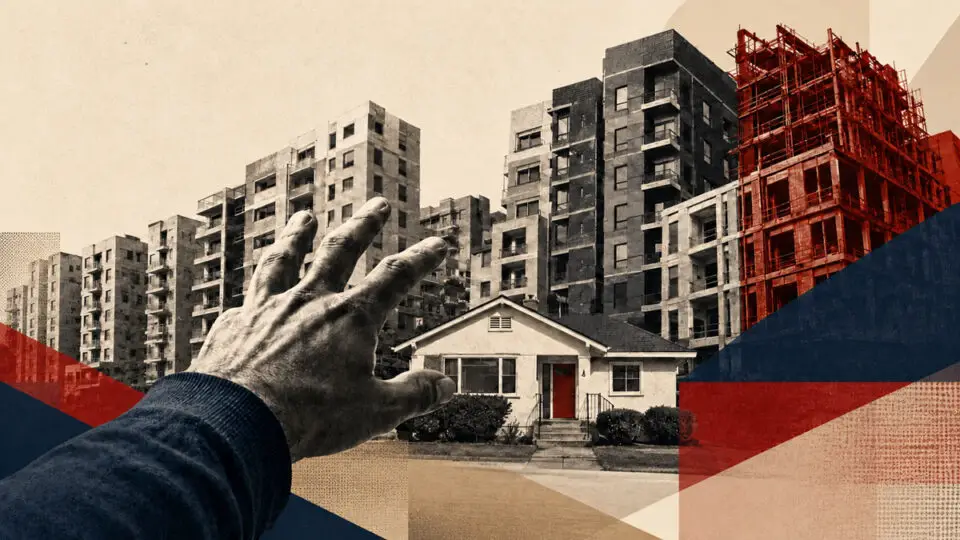
Meanwhile, projects of outrageous size — stack-and-pack uglies — gain a stronger and stronger foothold in our cities. What the state of California has given us are laws such as Senate bills 9 and 10, which allow your house, once sold, to be razed and replaced with eight to 10 housing units or towering buildings — essentially destroying neighborhoods as we know them and adding 10 times the traffic from a single lot. Less parking is required, so more and more cars are crowding our streets.
Hopefully, the Our Neighborhood Voices initiative will be on our ballots in 2028. It would restore local control to our cities. That is the only thing that can keep our legislators under control and save this beautiful state of California, our communities, our neighborhoods and our quality of life.
Sheila S. Cameron is a former mayor of Encinitas.