
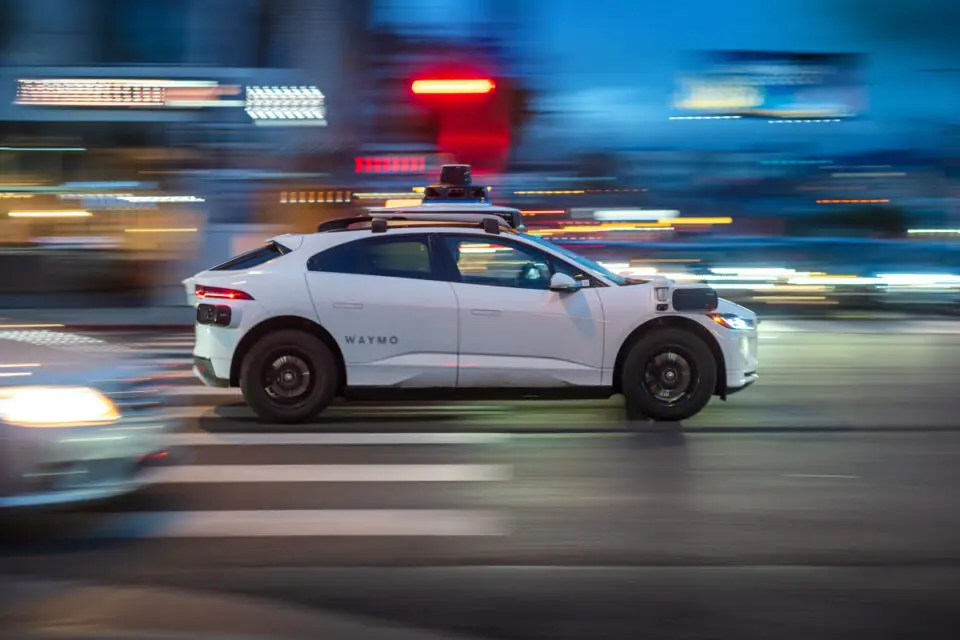
For North County San Diego, testing driverless technology isn’t just about how it responds to failure, but whether it can avoid creating a dangerous situation.
A car stopped in the wrong place can create a serious problem. On a busy Oceanside street, near an intersection in Vista or along a crowded route through Escondido, a disabled vehicle can force other drivers to react suddenly. If emergency crews need access, the consequences can extend well beyond a traffic delay.
Now imagine that the vehicle has no driver who can take the wheel.
California’s new robotaxi law, Senate Bill 1246, establishes requirements for incident response, local technicians and accountability. Most provisions take effect July 1, 2028. The law addresses an important question: What happens when an autonomous vehicle cannot safely continue?
But North County residents deserve an answer to another question, too: What is being done to prevent these situations before they happen?
North County already has a road safety challenge
The region does not need to wait for autonomous vehicles to understand the consequences of unsafe roads. The San Diego Association of Governments’ Vision Zero Action Plan reports that nearly three people are killed or seriously injured on San Diego County roads every day. Its analysis found that just 6% of the regional transportation network accounts for 54% of fatal and serious injury crashes.
The numbers are not abstract. In 2023, California’s Office of Traffic Safety recorded 864 people killed or injured in traffic crashes in Oceanside, 860 in Escondido, 463 in Carlsbad and 378 in Vista. These figures reflect overall traffic deaths and injuries, not those involving autonomous vehicles specifically. They nevertheless show why every new transportation technology must be assessed against the safety needs of the communities where it operates.
SANDAG’s Vision Zero approach rests on a straightforward principle: Traffic deaths and serious injuries should not be accepted as inevitable. That principle should also guide the introduction of driverless vehicles.
When conditions change, what happens next?
A flooding incident in San Antonio illustrates the challenge. In April 2026, an unoccupied Waymo autonomous vehicle entered floodwaters and was swept into Salado Creek. The incident prompted a software recall affecting nearly 3,800 vehicles. No one was injured.
The vehicle was empty, but the incident raises a broader question about how automated systems respond when familiar roads become dangerous. Floodwater can conceal the road surface and make a route impassable. Debris, sudden detours and emergency road closures create similar challenges.
One incident cannot establish whether autonomous vehicles are safer or less safe than human-driven cars. It does show why performance under unexpected conditions matters. A vehicle must recognize when it cannot proceed safely and respond without creating another hazard for passengers, pedestrians or nearby drivers.
Response plan is only part of the answer
SB 1246 requires manufacturers to arrange for local incident technicians in specified circumstances and establishes procedures for responding to emergencies and disabled vehicles. It also sets response-time standards and requires public reporting.
Those measures matter. A robotaxi blocking an intersection or obstructing an emergency route cannot simply be left there while responsibility is debated.
But dispatching help does not mean a road is clear. A technician still has to reach the vehicle, assess the problem and arrange for its removal if remote intervention is not possible. Meanwhile, other road users must navigate around the obstruction.
California should therefore measure more than whether a technician was dispatched. Regulators should track how long vehicles remain immobilized, how quickly obstructions are cleared and whether the same problems recur. Manufacturers should also demonstrate that software updates and other corrective measures address the failures that prompted them.
These are recommendations for effective oversight, not guarantees already established by the law.
Standard should be prevention
A reasonable case exists for developing autonomous transportation, provided its safety claims are supported by evidence. But technological progress should not mean asking the public to accept preventable risks while companies work out the problems.
For North County, the priority is practical: roads that remain accessible, emergency crews that can reach the people who need them and vehicles that respond safely when conditions change. SANDAG’s Vision Zero strategy recognizes that safer transportation requires both preventing crashes and reducing the harm when mistakes occur.
SB 1246 gives California a framework for responding when driverless vehicles become a hazard. Its success should ultimately be judged by what happens on the road — not just by the procedures written into law.
A disabled robotaxi should not become an unsolved problem for everyone around it. And a preventable failure should not have to happen repeatedly before the system changes.
Mike Reifeiss owns Aall In Limo & Party Bus, a San Diego-area transportation company.

