DEL MAR — The mayor and deputy mayor are pushing back against a proposed soccer stadium at the Del Mar Fairgrounds and its governing board’s response to a letter from the district attorney, both discussed at last week’s meeting.
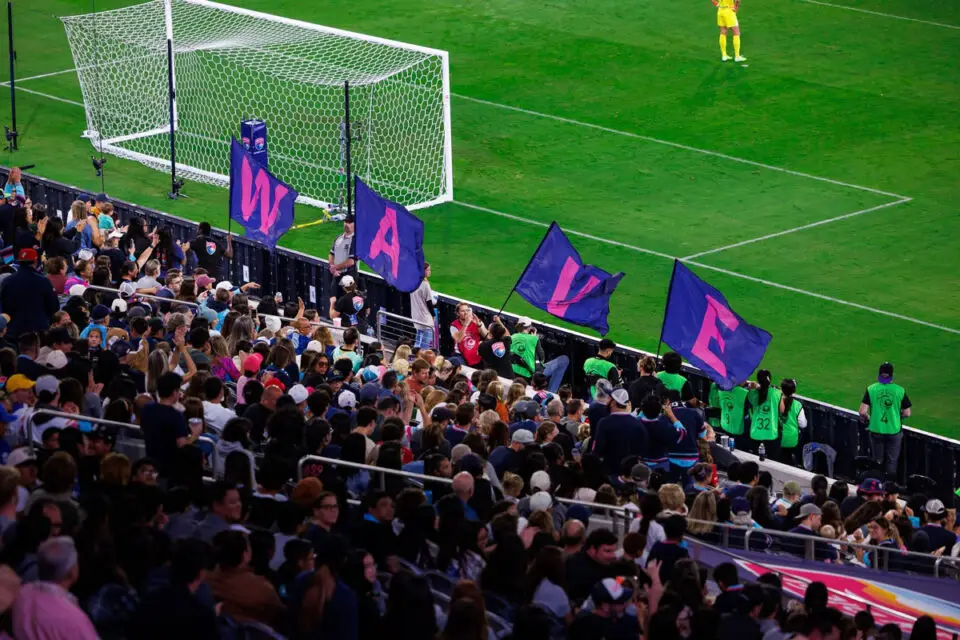
At the Oct. 13 meeting of the 22nd District Agricultural Association board of directors, the state-appointed body that oversees operations at the fairgrounds, representatives of the family that owns the San Diego Wave FC soccer club presented a conceptual proposal for a new stadium, hotel, convention center, retail and dining village, and parking garage.
The initial conceptual drawings showed the development on the south side of the fairgrounds, although presenters emphasized that these were preliminary ideas and that no site plan had been prepared. The Wave ended the informational presentation by asking the board to consider, at its next meeting, entering into a two-year exclusive negotiating period that would allow the team to more fully develop the proposal.
During the same meeting, the fairgrounds board discussed a letter from the San Diego County District Attorney’s Office notifying Del Mar and the 22nd DAA that prosecutors had declined the city’s request to investigate a board member, state Attorney General Rob Bonta and a local real estate professional.
After the discussion, the fair board directed staff to invite the Del Mar City Council to a future meeting so city officials could apologize for requesting the investigation, which multiple board members said was inappropriate and intimidating.
The investigation request stemmed from concerns about real estate dealings and campaign contributions involving fairgrounds board member Mark Arabo, Seaside Ridge adviser and broker Brian Guiltinian, and Bonta.
In its August referral to prosecutors, the city cited Guiltinian’s role as Arabo’s homebuying agent and both men’s contributions to Bonta, who later warned Del Mar about how it handled the proposed 259-unit development. Arabo denied any interest in Seaside Ridge or communications about the project with Guiltinian or Bonta.
The dispute also intersects with Del Mar’s efforts to meet state housing mandates through affordable housing at the fairgrounds. If those negotiations fail to meet state deadlines, the city would have to rezone other sites, including the bluff-top property proposed for Seaside Ridge.
Project representatives have urged the fairgrounds board to end its housing negotiations with Del Mar, arguing that the city could meet its obligations by approving Seaside Ridge.
In response to the Wave presentation, Mayor Tracy Martinez and Deputy Mayor John Spelich sent a joint email Oct. 15 to several thousand Del Mar residents using lists compiled during their election campaigns, Spelich told The Coast News.
In the letter, Martinez and Spelich warned that the proposal would “have disastrous impacts on the environment, the lagoon, and on Del Mar and neighboring cities.”
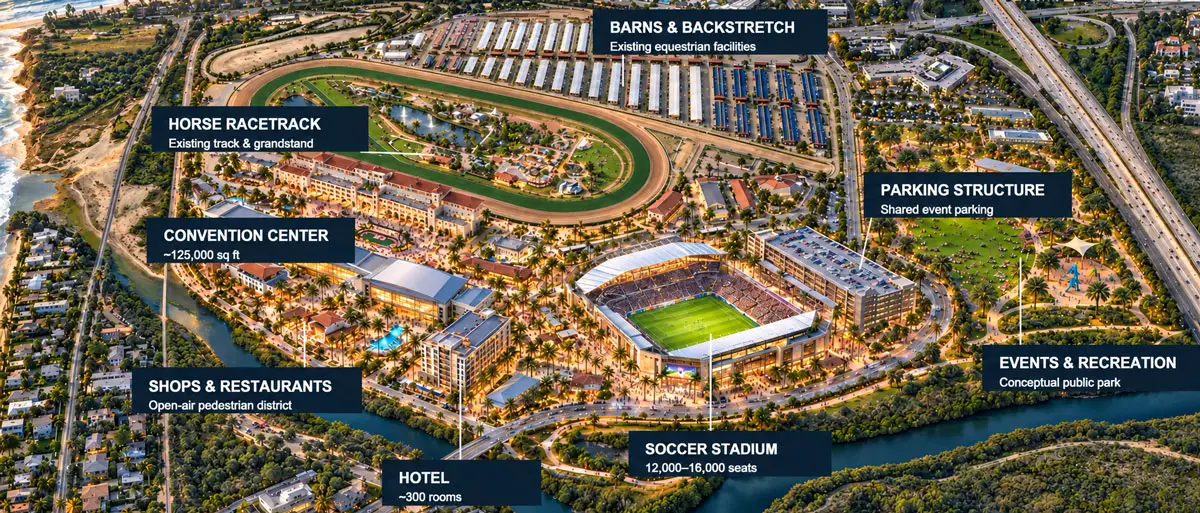
“The proposed layout places the cluster of new structures on the south side of the Fairgrounds property, adjacent to the ecologically sensitive San Dieguito Lagoon,” the letter continues. “We know how deeply our residents care about the character, safety, and future of Del Mar. As we navigate this challenging next chapter forced upon us by the Fair Board’s vote, we remain fully committed to transparency, community input, and defending our local interests to the absolute best of our ability.
“We must get a seat at the table regarding the future of the Fairgrounds, and we are committed to making that happen.”
The same day, Martinez issued another letter on official city letterhead regarding the 22nd DAA’s response to the district attorney’s letter. That letter, Spelich said, was sent to everyone on the city’s official email list.
In the second letter to Del Mar residents, Martinez addressed the district attorney’s concern that the city had forwarded a request from an individual the district attorney could not locate or confirm existed.
“Staff exchanged several communications with the individual who brought forward concerns and had no reason to believe they were anyone other than who they said they were,” Martinez wrote.
“…Based on the information provided and the concerns raised, the City had a responsibility to act regardless of the identity of the complainant or whether they chose to identify themselves at all. It is not uncommon for individuals to want to protect their identity when raising serious concerns about people in high-level positions. In this case, there has been more interest in the identity of the complainant than determining the legitimacy of the concerns they brought forward.”
Later in the letter, Martinez continued, “While we understand the 22nd DAA Board’s concerns about how this matter has impacted one of their members, it must understand the City’s responsibility to act on the concerns raised and that the Council was fulfilling their ethical duty to the public in doing so.”