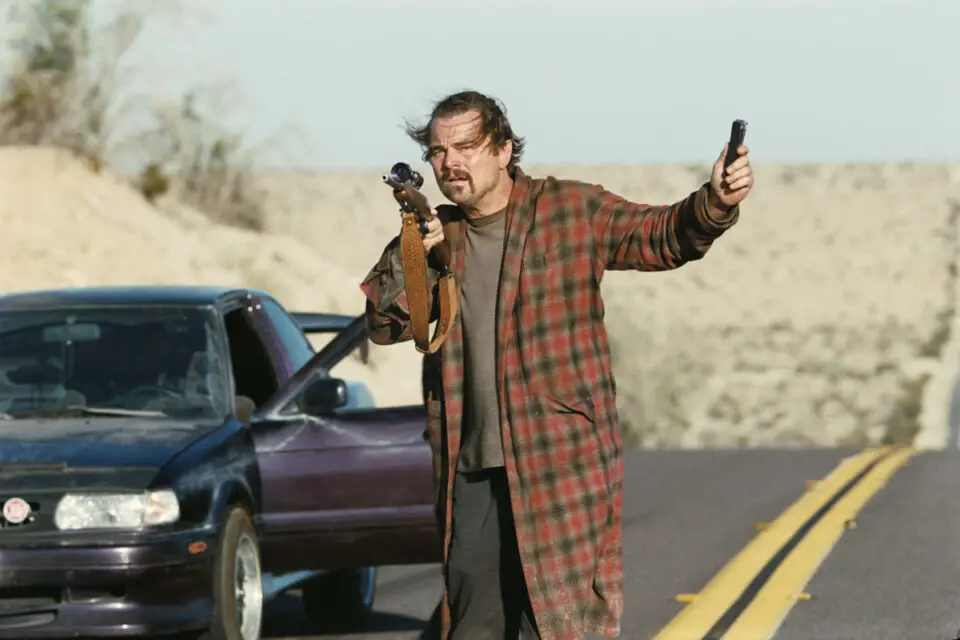
REGION — San Diego County government is advancing its plan to bolster film production opportunities in the region following a recent vote by the Board of Supervisors.
Supervisors at their Tuesday meeting unanimously supported the first steps toward creating the San Diego County Film Initiative, which would include a nonprofit Regional Film Office.
According to a board letter, the office would “serve as a single regional point of contact for productions, coordinating across jurisdictions and promoting the region, as well as administering the production rebate program, tracking metrics and developing annual reports.”
The office would feature a 15-member commission representing all supervisorial districts, key jurisdictions, tribal nations and industry sectors.
The proposal also includes an annual $1.5 million production rebate program to complement California’s Film and Television Tax Credit Program 4.0.
Chief Administrative Officer Ebony Shelton and staff will return in 90 days with an ordinance formally establishing the program.
Last April, supervisors directed Shelton to craft the film initiative proposal.
The board’s vote comes amid growing concern about film productions moving out of California.
Over the past few decades, San Diego County has been a location for blockbuster and critically acclaimed movies such as “Almost Famous,” “One Battle After Another,” “Top Gun,” and “Traffic.”
The popular TV shows “Simon and Simon” and “Veronica Mars” were filmed in San Diego County, where the 1970s cult classic “Attack of the Killer Tomatoes” was also made.
Supervisor Joel Anderson noted during Tuesday’s meeting that “Attack of the Killer Tomatoes” cost $100,000 to make but has grossed $5 million over the years.
According to a news release from Supervisors Paloma Aguirre and Anderson, the commission is one of “the two joint priority initiatives born out of cross-district tours conducted earlier this year.”
Aguirre, board chair pro tem, said the county “has everything a production needs: coastline, border communities, urban neighborhoods, deserts and mountains, all within a couple of hours’ drive.”
“Too many of those productions, and the jobs that come with them, go somewhere else,” Aguirre said, adding that the film industry benefits local small businesses and the South Bay.
Anderson said that along with jobs, the Regional Film Office “helps open the door to new investment and opportunity while putting the beauty, landscapes and character of communities like those in District 2 on screens around the world.”
In a statement, the IATSE Local 122 president said San Diego has the locations, workforce and creative talent to compete for film and television projects, but not the regional infrastructure “to bring those pieces together.”
“This is an opportunity to change that,” Greg Sowizdrzal added.
During public comment Tuesday, Fernanda Flores of IATSE Local 122 said last year’s Academy Award-winning “One Battle After Another” generated nearly $6.8 million in direct local spending.
“Imagine what we could do if we actively competed for the work,” said Flores, who serves as political director. “Cities across our region are ready to stand alongside you and build this together.”
She added that leaders from Chula Vista, National City, San Diego and Vista have expressed support for a regional film program.
Vice Chair Monica Montgomery Steppe said she was “really looking forward to how we can tell our stories of our communities and showcase the cultures that make San Diego unique.”
Board Chair Terra Lawson-Remer described the film initiative as “exciting, timely and exactly the way policy should be made … in partnership with folks being impacted every single day.”