“The earth does not belong to us; we belong to the earth.” — Chief Seattle, 1854
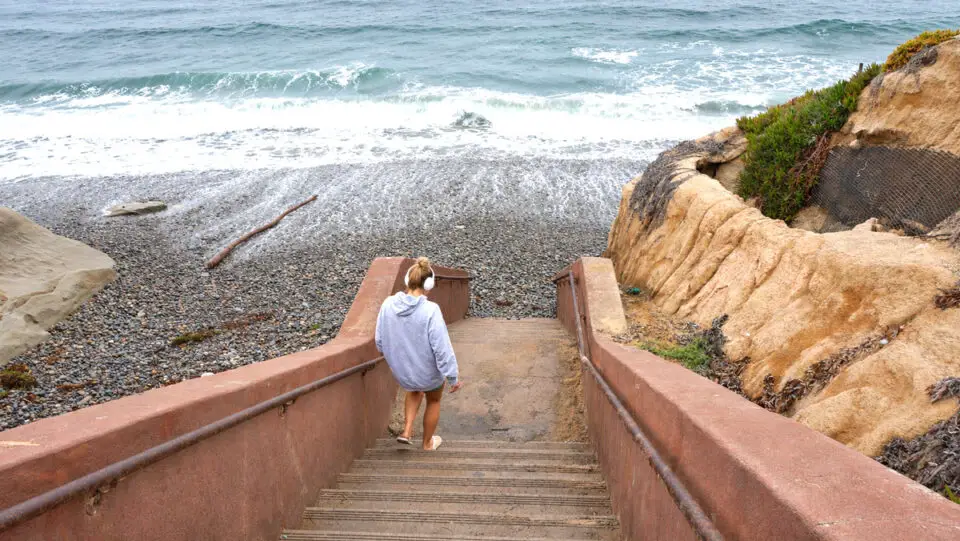
Long ago there was a tiny settlement called Little Oaks, perched above the Pacific Ocean on the West Coast of the United States. The settlement was not particularly beautiful, and with little access to fresh water, no harbor, and few goods to export, there was little to recommend it other than fair weather, wide beaches, and abundant sea life.
While not as pretty as its distinguished neighbor to the south, Little Oaks was quiet and slow moving. It had a certain rustic charm, and its few residents were proud of it.
Little Oaks grew slowly at first, and by 1900 it boasted 298 individuals. Sixty years later there were around 10 times that many people in what by then had become a town. Then came a smattering of small mom-pop motels and restaurants for the visitors who passed through on their way to San Diego or Tijuana.
The back country was desert, uninterrupted by cactus and sage, all the way to the Arizona border. Ducks were hunted in the lagoons, until 1968 when the I-5 freeway was completed and cut the place in two. Hunting, of course, was outlawed. This was quickly followed by fishing without a license, driving on the beach, pitching a tent on the sand, launching a skiff into the ocean, having a dog on the beach or drinking an alcoholic beverage while watching the sunset.
Much of the beach, which was the town’s main reason for existing, became a parking lot for restaurants and was closed at sunset. Surfing was still allowed as was the growing of flowers. In time, these two activities were what Little Oaks became famous for.
Currently, the population of Little Oaks hovers at just over 60,000. Normally, that would leave enough elbow room to eat, drink and ride waves. But, as the little town expands, and large tracts of land that once housed single families are converted into multi-storied tilt-up honeycombs named after the displaced wildlife and the trees that were cut down, elbow room is in danger of going extinct.
These shelters are advertised as “homes,” but they are not even worthy to be called “houses.” With no land surrounding them, and a balcony barely large enough to accommodate a single tomato plant, they resemble the ’60s-era Soviet apartments that free Americans once scorned. Sixty-thousand seems like a livable number until you multiply it by roughly 100 times as many tourists who pound the pavement in search of the town they helped bury.
Sadly, the most expensive real estate in Little Oaks, some of it valued at over $10 million, might soon be washed away by some unusually powerful storms. (Isn’t there a fable about little pigs warning us not to build our houses on sand?)
As anyone who has ever visited Little Oaks will tell you, it is still a pleasant part of the world. The weather is nice. The residents are friendly, the waves are good, and some very smart and kind-hearted folks live there.
Only time will tell, however, if they are smart enough to quit paving paradise and selling their homes to the highest bidders. If not, nothing will save it from disappearing into the vast Pacific. And, once it’s gone, there is no replacing it.