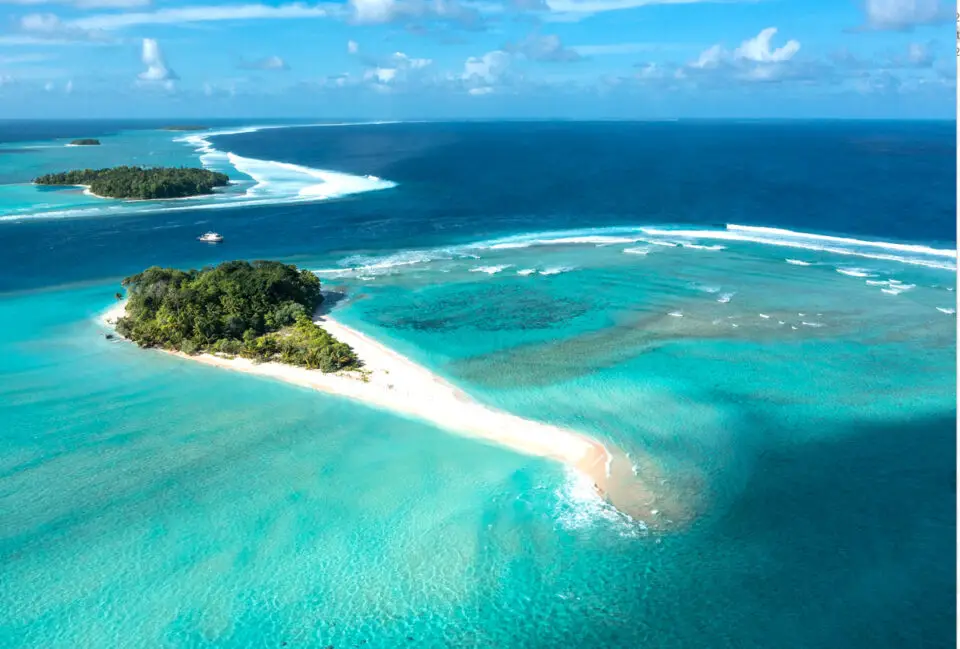
Surfers guard directions to secret surf spots like pirates guard treasure maps. Or, they used to. Until recently, surfers were bound by an unwritten code that can be paraphrased as follows: “If you discover a surf spot, don’t photograph it, and never publicize it!”
Within my circle, the rule was that you could tell one person of your discovery. The danger here is geometric: One person tells one person, they tell one person, and within a decade, your secret is known worldwide. The good news is that pre-internet, secret spots were forgotten when a new spot replaced it and took top billing.
In the not-so-distant past, our system worked until some short-sighted shutterbug sold out for $40 and a photo credit.
By the time I began surfing, in 1962, the best surf spots on the California coast — Rincon, Malibu, Swami’s, Trestles — were well publicized. Trestles, however, could still be surfed solo because it was guarded by the United States Marine Corps. The Marines turned surfing Trestles into a war game where surfboards countered firearms.
Once Rincon, Malibu and Swami’s were publicized through movies and magazines, they become crowded, especially when word spread that a big wave was hitting. While these spots were well known, the frequency of their breaking was not. As such, you could occasionally score good, uncrowded surf at Malibu, Rincon or Swami’s.
The first shots of Honolua Bay I saw were taken in the mid ’60s. The hollow point wave peeled off like Slater’s wave machine before slamming into board-eating boulders. I arrived there in 1969, after tattletale surf movies and magazines blew the cover off perfection, and 75 people in the lineup became common.
The dirty rinse cycle repeated in Costa Rica, Mexico, New Zealand, Fiji, Indonesia and on both coasts of Australia. While it’s easy to blame technology, short-sighted humans are the main culprit. Just yesterday, I saw a Facebook post titled: “Five Secret Surf Spots You Need to Visit.”
Guess which five spots are no longer a secret. Worse, someone recently posted that Mavericks and Jaws should be added to every surfer’s bucket list. This is ironic, since surfing such waves is a good way for a novice to kick the proverbial bucket.
The wealthy and the well-connected boast that you can surf good waves alone whenever you like. While true, this rarely applies to the poor and unconnected limited to our own standing-room-only backyards.
I am told that my unwillingness to share is selfish and that I want to keep the waves all to myself. Yes, it’s true. I, like most among us, hope to enjoy good, uncrowded waves without resorting to wave-hogging paddleboards or 11-foot gliders.
Even taking myself out of the equation, I would rather see 20 surfers (about the limit a surf spot can handle before joy erupts in frustration and hostility) trade set waves than 100 riders arguing over scraps.
Let’s put this in terms everyone understands: food. I have a birthday cake to share with the five friends I invited to my party. I slice the pieces equally, set out plates, forks, and napkins, and everyone eats their fill.
Now, if I take that same cake to the beach and invite everyone to indulge, the most aggressive grab the choice pieces with their fingers, choke it down, make a mess, and leave the crumbs for the timid to fight over. A few enjoy it, but most are left unsatisfied.
Protect your secrets. They are worth more than fame or fortune.
“Good Things Love Water” will be read and signed by the author at D.G. Wills Books in La Jolla on Labor Day, Sept. 7, at 7 p.m.