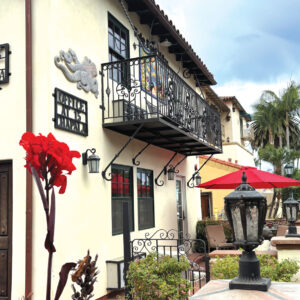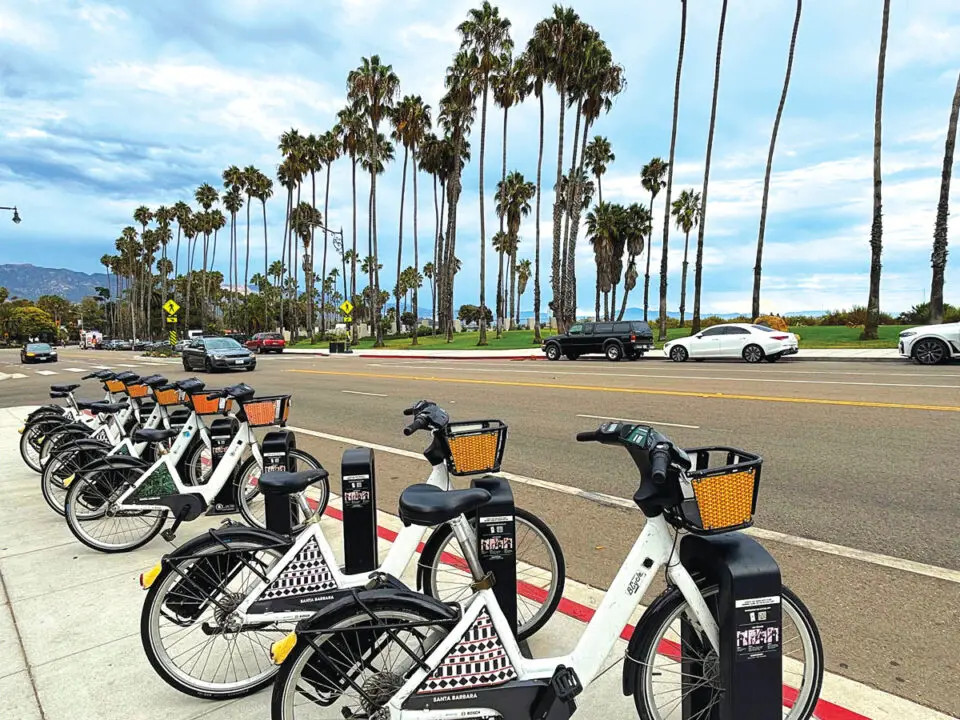
It was a 6.3 earthquake in 1925 that made Santa Barbara the idyllic tourism magnet that it is today.
Before that, historians describe the then-city of about 25,000 as a “typical Midwestern town” — that is, plenty of unreinforced brick and wood-framed structures that were mostly piles of rubble following the temblor.
The few surviving buildings were the Spanish-style, wood-framed structures.
City officials took note and Santa Barbara became the first city in the United States to adopt policies that mandated new buildings be built in a certain architectural style — in this case, Spanish Colonial Revival.
While some are vociferous about the convoluted processes it currently takes to get building and renovation projects approved, adherence to the style has created what has become known as the American Riviera and draws more than 7 million visitors a year.
We were among those visitors in early September when Santa Barbara was an overnight stop on our way to Paso Robles. Fortunately, it was not our first visit to this adult fantasyland, but we wanted to make the best of our time. It wasn’t difficult.
When we left North County, the thermometer read 104 degrees. Stepping out of our car at the Eagle Inn, just two blocks from the pristine beach, a mid-70-degree tropical breeze washed over us. I knew things would be OK for at least the next 18 hours.
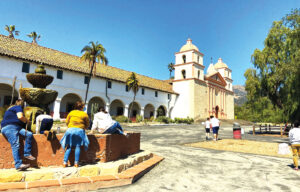


Photo by E’Louise Ondash