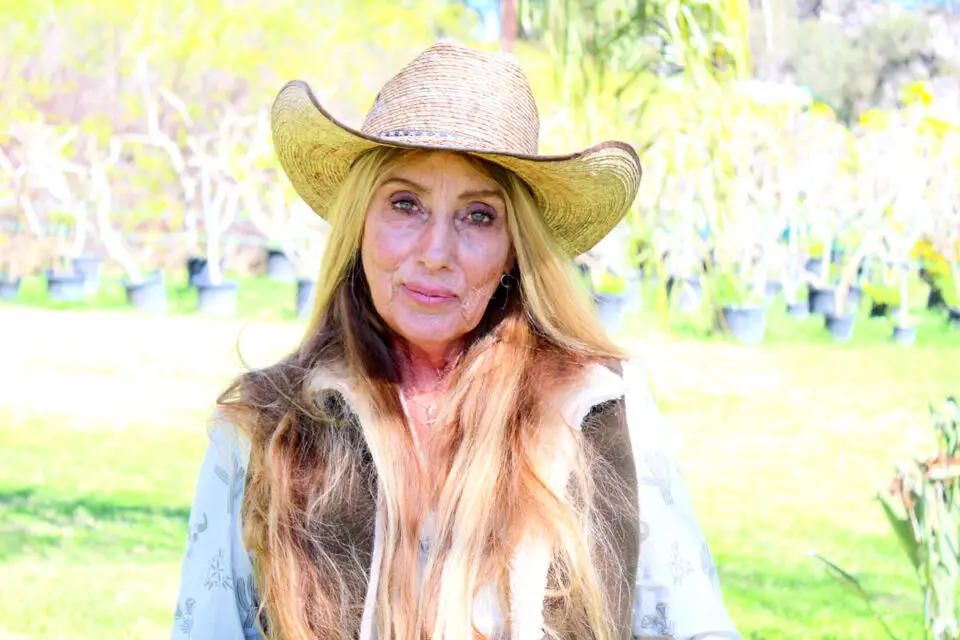
SAN MARCOS — For nearly 20 years, Bheau View Ranch on Cox Road was a beloved gathering place for children and families to ride horses, plant vegetables, create art and write as part of a series of nonprofit camps.
Now, the once-active property is largely quiet, as ranch owner Shera Sandwell has been unable to continue hosting community members due to an ongoing battle with the City of San Marcos over allowed uses on her land.
Due to paying tens of thousands of dollars for attorneys and engineers, trying to obtain permits, and paying fees in and out of court, Sandwell said she has had to declare bankruptcy and sell a large portion of her land to stay afloat.
The battle has now expanded into federal court. On Jan. 30, Sandwell filed a lawsuit against the city in U.S. District Court for the Southern District of California, claiming that city officials have violated her constitutional right to assembly by applying unlimited discretion to how she can use her farm.
“The City’s broad discretion has created a chilling effect on Ms. Sandwell’s ability to invite small groups to the farm, forcing her to deny the public the benefits of this communal gathering space,” the lawsuit states.
San Marcos City Attorney Helen Peake declined to speak about the lawsuit, saying the city does not comment on pending litigation.
Sandwell, who moved to the ranch in 2000 and named it after a horse she owned then, has been hosting families for activities and summer camps at the property since 2002. She eventually established a nonprofit known as the AWE Center (which stands for Arts, Wellness and Equestrian). She has hosted members of the Girl Scouts of America, San Diego Mentorship program and several other groups.


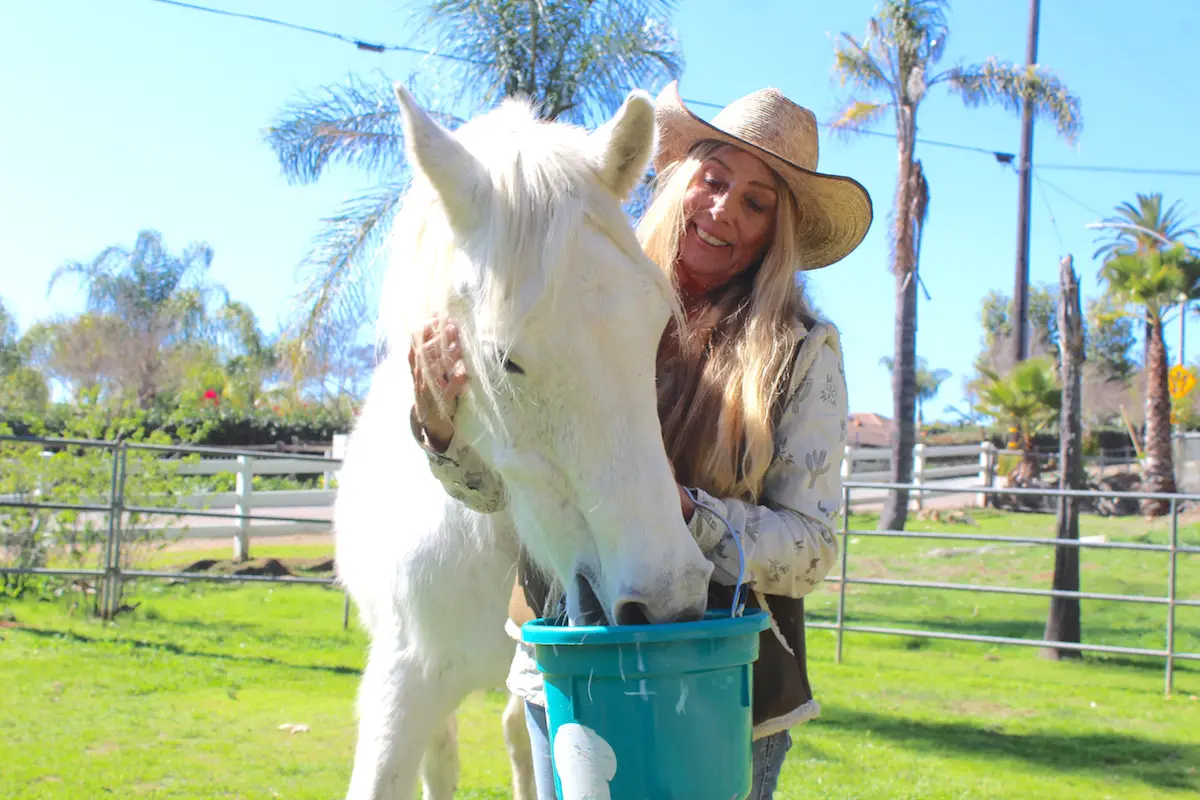
Sandwell said sharing her property and her love for horses with the community has always been her biggest passion. She noted that families still reach out asking to come to the ranch, and having to turn them away is crushing.
“Most people probably think I just didn’t want to do it anymore. But that’s not the case at all,” she said. “I would want everyone to know that I really appreciated the opportunities for all these years, that I was able to have all these students, and I really appreciated it and really enjoyed it. I wish I could say, yeah, come on over.”
Along with opening her ranch as a gathering place, Sandwell said she has been deeply embedded in the San Marcos community for years. She served on the San Marcos Trails Advisory Committee in the early 2000s, and helped fight for preserving horse trails at Walnut Grove Park.
However, significant issues arose between the city and Sandwell in 2017, due to her use of the property as a wedding venue without a conditional use permit. The city issued multiple citations, with Sandwell claiming she could never obtain a CUP.
“During the beginning of that enforcement period, in 2017-2019, Ms. Sandwell expended tens of thousands of dollars on engineers, attorneys, and consultants to pursue a CUP. Despite these efforts, Ms. Sandwell never received a final decision from the city—no CUP was issued, no conditions were stated that she could feasibly meet, and her funds were depleted,” the federal lawsuit states.
The city eventually filed a lawsuit in San Diego Superior Court in 2019, resulting in a default judgment of more than $437,000 against Sandwell, plus attorney’s fees. That judgment was eventually overturned, as Sandwell said she was never served with the lawsuit.
Sandwell said she was not operating a traditional commercial wedding venue, and all the money the ranch made from the weddings went toward supporting the AWE Center.
In 2022, the city and Sandwell entered into a settlement agreement waiving all claims and attorney’s fees against her as long as she did not hold public assemblies on her land without the required permits.
This past fall, Sandwell said she contacted the city’s planning division to ask if she could start having small groups return to her farm for activities like planting vegetables, meeting animals and making art. She was told that these activities also qualified as a place of assembly and would require a conditional use permit.
It was soon after that attorney Jeremiah Graham, who also represented Sandwell in her former litigation with the city, recommended filing the federal lawsuit.


Graham, who also led a 2020 lawsuit challenging San Diego County’s ban of in-person church services early in the COVID-19 pandemic, said this is somewhat of a novel case. They are asking the courts to apply the same restrictions against the chilling of free speech to situations involving the chilling of assembly activities.
“It’s my opinion right now that your right to free assembly is heightened on your own private property. I’m hoping the court agrees with me, that when we’re talking about an assembly on public property, there’s a difference with private property,” Graham said. “That’s a deprivation of first amendment liberties.”
The San Marcos Municipal Code defines a “place of assembly” as a gathering place for small public, private, commercial or nonprofit or religious worship gatherings in a non-residential building, with a small place of assembly limited to 25 attendees.
A CUP is required to operate a place of assembly in the city’s Agricultural Zone, where Sandwell’s property is located. These permits are approved when the city determines that the requested use would not harm neighboring properties or the neighborhood’s character, and is compatible with “existing and future land uses.”
After operating without issues for so many years, and even having city and county officials visit the ranch and commend her for her work, Sandwell said the intense enforcement followed by effectively having to close down has been shocking.
Now, she fears hosting almost anyone on her property, including family members or friends, out of fear of retaliation from the city or being found in contempt of the settlement terms.
“I never would’ve thought this would happen. It just came out of nowhere,” she said. “I just love my community, and I’m still here … I just hope that it leads to something good.”