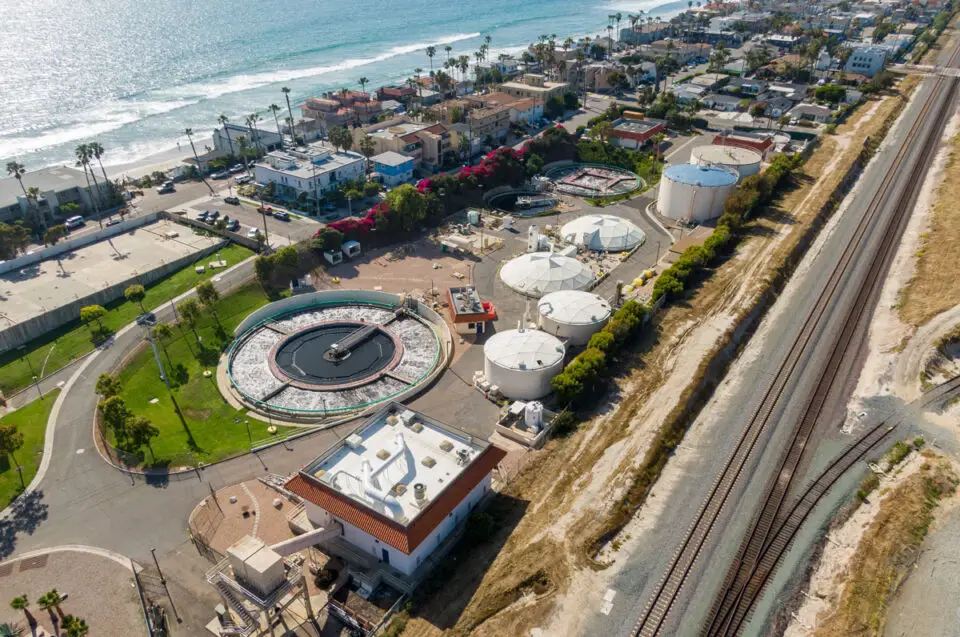
OCEANSIDE — The city is exploring financing options, including tax-exempt revenue bonds, to replace aging sewer infrastructure in time to decommission the La Salina Wastewater Treatment Plant and meet its water reuse goals.
With more than 450 miles of sewer pipelines, two wastewater treatment plants and 33 sewer lift stations, the city’s sewer system requires ongoing investment in replacement and renewal projects, according to city staff.
The city has deferred some maintenance over the years, and priority projects identified in 2015 remain unfinished.
Before it can decommission the La Salina plant, the city must complete several projects to consolidate sewer flows at the San Luis Rey Water Reclamation Facility. Those projects include the following:
- Oceanside Mesa Garrison Lift Station
- Oceanside Mesa Garrison Force Main
- Buccaneer Lift Station
- Buccaneer Force Main
- Mission Avenue Force Main replacement
- Replacement parts for the land outfall
- Mission Avenue gravity sewer lining and replacement
The city has historically used sewer revenue collected from ratepayers, developer fees, state and federal grants, and revenue bonds to fund sewer improvements.
According to the city, issuing bonds would allow it to spread project costs over several years by repaying the borrowed money with interest over time.
On Nov. 4, the Oceanside City Council unanimously approved a resolution declaring the city’s intent to reimburse eligible project costs through tax-exempt financing.
Financial Services Director Jill Moya said the resolution does not authorize the city to issue bonds or take out loans. Staff would have to return to the council for approval.
“With approval of this resolution, the city can use available sewer funds to begin projects now and repay those funds later if tax exempt financing is secured,” Moya said.
The resolution has no immediate fiscal impact on the city.
Oceanside resident Jimmy Knott cautioned that ratepayers could end up covering the costs if the city does not reimburse its sewer funds through tax-exempt bonds.
“If there is no reimbursement, you’ll have to stick ratepayers with that cost,” Knott said.
Moya said financing for the projects is already factored into the city’s sewer rate model and that developer impact fees also help pay for the work.
“This is the perfect example of what happens when the city has to defer maintenance and still move forward with growth, and why money is needed to pay for these things to catch up,” Councilmember Rick Robinson said before voting to approve the resolution.