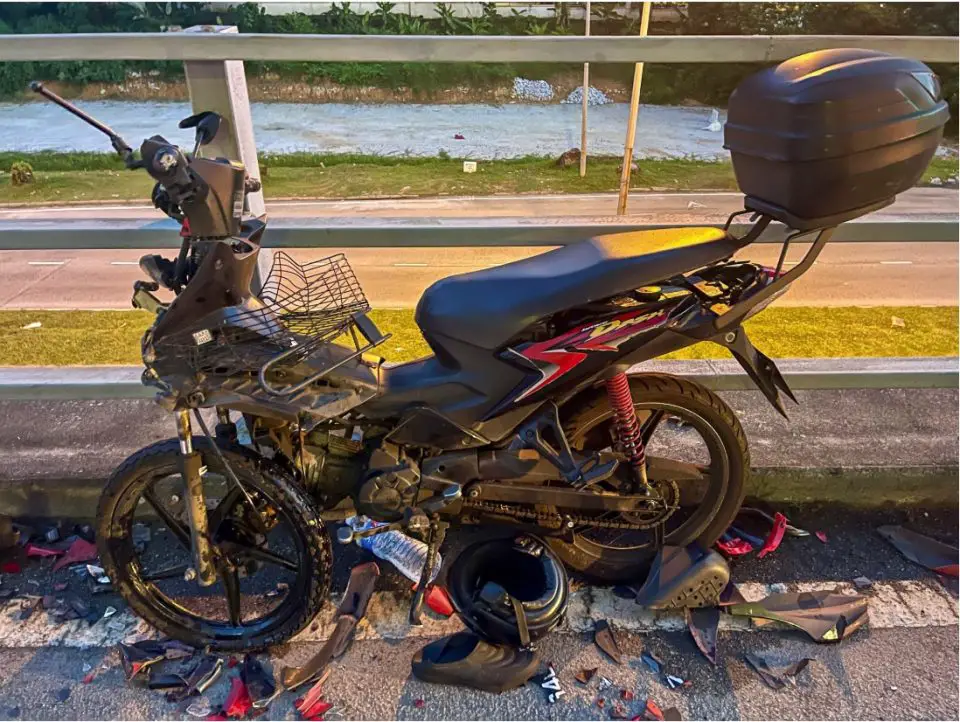
Traffic moves again. Damaged vehicles are removed. Calls slow down.
Yet the first few days after a motorcycle crash often create the biggest shift in the entire situation. What looked simple during the first report slowly becomes more complicated as injuries react, expenses grow, and details begin changing shape. Riders usually focus on getting through the immediate stress, but the real pressure often starts later. Pain becomes stronger, paperwork starts building, and insurance conversations turn more serious. Even people who felt stable at first sometimes realize the crash affected far more than expected.
That quiet change is where many cases begin moving in a completely different direction.
Early Details Do Not Always Stay the Same
Police reports and first statements usually capture only the surface of the crash. Right after an accident, people speak based on shock, confusion, and limited information. Days later, medical visits, photos, witness statements, and repair inspections may reveal details that were not clear in the beginning.
A rider may first believe the crash caused only minor soreness, then later discover nerve pain or deeper injuries. A damaged motorcycle may also reveal stronger impact points after closer inspection. This changing picture affects how the case is viewed over time.
That is one reason many injured riders eventually start speaking with a motorcycle injury attorney after realizing the situation no longer feels as simple as it first appeared.
Physical Pain Starts Showing Its Real Weight
Motorcycle accidents place direct force on the body. Unlike drivers inside cars, riders do not have the same physical protection during impact. Even lower-speed crashes can leave injuries that grow worse over several days.
The body reacts strangely after trauma. Adrenaline often hides pain in the beginning, which creates a false feeling of relief. Later, stiffness, swelling, headaches, or limited movement begin interfering with regular life.
Pain that arrives later often surprises riders because the early hours gave the impression that recovery would be quick.
Insurance Companies Begin Looking More Closely
Insurance discussions usually change tone after the first few days. Early conversations often focus only on immediate damage and basic facts. As treatment continues and costs increase, insurance companies begin reviewing records more carefully.
They may compare early statements with later medical reports. They may also examine gaps in treatment, timelines, photos, and repair estimates. Small differences in information can suddenly receive more attention than expected.
This stage becomes stressful because the case no longer feels temporary. It starts becoming a financial matter involving long-term costs, missed work, and continuing care.
Daily Life Slowly Starts Feeling Different
The hardest part of many motorcycle crashes is not always visible damage. Sometimes the real change appears quietly inside daily routines. Simple tasks begin taking longer. Sleep becomes uncomfortable. Returning to work feels difficult. Even short drives may create stress or physical discomfort.
That gradual shift is why some riders underestimate the seriousness of the crash at the beginning. A person may still walk, talk, and function normally while their body struggles underneath.
Medical appointments also become more regular after the first few days. Follow-up visits, scans, therapy sessions, and evaluations create a clearer picture of the injury.
Evidence Starts Becoming More Important
Time changes evidence quickly after motorcycle accidents. Skid marks disappear, damaged parts get repaired, and witnesses become harder to contact. At the same time, medical records continue growing and help explain how injuries developed over time.
Important evidence often includes:
Medical Documentation
Doctor notes, scans, prescriptions, and therapy records help show how injuries progressed after the crash.
Vehicle Damage Reports
Motorcycle inspections sometimes reveal stronger impact damage than riders first noticed.
Timeline Records
Missed workdays, follow-up appointments, and treatment schedules help explain how the crash affected everyday life.
This growing collection of information often shapes how the situation is viewed later by insurance companies and legal professionals.
Conclusion
Motorcycle crash cases rarely stay frozen in the condition they started with. What begins as a short-term issue may slowly turn into a much larger financial and physical burden. Delayed injuries, rising expenses, and changing evidence all influence how the situation develops over time.
That is why many people eventually seek guidance from a motorcycle injury attorney after the first few days pass, and the reality of the crash becomes clearer. Early assumptions often fail to match the long-term impact. The first report may tell only part of the story. The days that follow usually reveal the rest.