
DEL MAR — Del Mar Fairgrounds leaders may consider raising fair admission prices within the next year after directing staff this month to budget $100,000 for a financial consultant to review price sensitivity.
The request for the consultant came from the 22nd District Agricultural Association board of directors, which manages the Fairgrounds, after the board reviewed the 2026 operating and capital expenditure budgets on Dec. 15, as well as the state of affairs at the end of 2025.
The agency is ending 2025 with revenues below projections, partly due to the absence of large events such as KAABOO. The music festival was scheduled for the summer but was repeatedly canceled, prompting the Fairgrounds to terminate its contract with the festival operators earlier this year.
Looking ahead, staff have implemented cost-saving measures to increase revenue, including raising certain fair-related costs. This includes increasing day-of parking rates at the Horsepark from $10 to $15, and day-of preferred parking at the Fairgrounds from $55 to $60, with advance parking remaining the same.
“The brass tacks are, basically, we’re going to try to increase revenue, reduce expenses, increase the bottom line so that we have enough money to do the things that we want to do,” said Chief Administrative Officer Mike Seyle.
Next year, the Fairgrounds will also see the absence of other major money-making events like the Breeders’ Cup.
After paying for operations and debt service, the budget projects an ending cash flow of around $2.59 million at the end of 2026. However, after factoring in the capital and equipment expenditures required in 2026, the Fairgrounds will operate at a loss of $3.3 million.
Some board members expressed concern that the 22nd DAA will continue to need to draw on reserves.
“Staff did an amazing job saving about four million bucks in expenses, so I congratulate you on that. But going forward, I’m concerned that the net negative is growing,” said Boardmember Michael Gelfand. “This year, we’ve got to figure out how to solve that going into 2027.”
The 22nd DAA is budgeting for approximately $55 million in revenue from next year’s county fair, with the theme “Once Upon A Fair.” The fair will run for 20 days, from June 10 to July 5, and fair leaders have set an attendance goal of 50,000 people per day — including 37,000 paid attendees — for a total of approximately 1 million visitors.
Fair attendance has yet to exceed 1 million since the start of the COVID-19 pandemic. Attendance totaled 874,263 in 2025, a slight drop from 877,452 in 2024.
“Thirty-seven thousand paid per day is about 3,000 more than last year, so it’s a significant stretch for us — a little less than 10%,” said CEO Carlene Moore.
The 22nd DAA board agreed to adopt the budget, but with an additional $100,000 allocation for a financial consultant to review price sensitivity.
Boardmember Mark Arabo proposed bringing in a set of fresh eyes to review the district’s finances. He noted that inflation has driven up costs drastically, and suggested studying the option of raising fair entry by $1 or $2.
General admission currently ranges from $17 to $25, depending on the day of the week and whether it was purchased in advance or on the day of.
Arabo said it’s important to keep costs low, but claimed that higher costs do not reduce attendance. He also noted that other agencies, such as the County of San Diego Parks and Recreation, have raised certain rental costs.
“This isn’t only about maximizing revenue. It’s about catching up to inflation,” Arabo said. “The goal of the consultant the board will consider would be [to] support a long-term financial plan that aligns revenue spending and capital needs, giving the board more tools to make better decisions.”
Fairgrounds executives said they have focused on keeping fair entry as affordable as possible while increasing revenue in other areas. Of the $88 million in total fair revenue, admission revenue only accounts for around $15 million.
Moore also clarified that, historically, raising ticket prices has consistently led to lower fair attendance.
“It doesn’t solely need to be borne on the backs of our fair patrons,” Moore said.
Board members, except for Kathlyn Mead, voted in favor of budgeting for a financial consultant. Mead suggested waiting to engage a consultant, noting that staff had not been allowed to research and present to the board on the possibility of raising ticket prices.
“What consultants will do is to come in the door, just as we did today, and ask the staff to educate them about fair operations, about price, about expense,” Mead said. “My point is that, in not supporting this, we can ask our staff to provide us with this information and not pay a consultant to do the same thing we have the ability to do.”
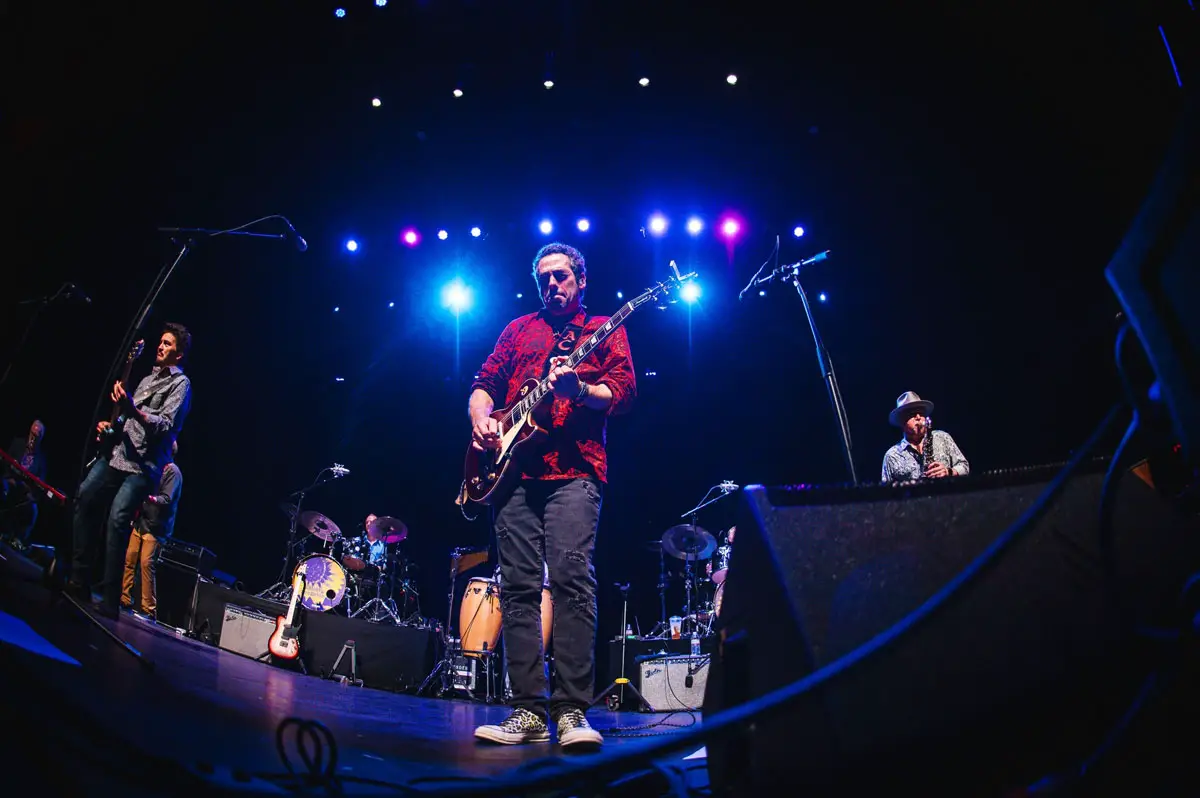
Another source of income for the Fairgrounds is The Sound, the onsite concert venue operated by the Belly Up.
Next year will be The Sound’s third year of operation, with 81 shows forecast for 2026, up from 75 in 2025.
The 22nd DAA expects a total of $3.2 million in revenue from The Sound in 2026. However, after operational and payroll expenses and debt payments, The Sound is likely to incur a net loss of $467,520.
Arabo said this was troubling.
“We lose money on The Sound after the payments, and it’s important to note that they need to do a much better job making more money for the district,” Arabo said.