ESCONDIDO — The city expects to spend all $38.8 million in pandemic relief funds it received more than five years ago.
In March 2021, nearly a year after the COVID-19 pandemic first shut down schools and businesses and disrupted recreational activities and social events, President Joe Biden signed the $1.9 trillion American Rescue Plan Act into law to support the nation’s economic recovery.
Of that money, $64 billion went to 19,000 municipal governments nationwide. Escondido, categorized as a metropolitan city, received $38.8 million.
Under the law, the funds had to be obligated by the end of 2024 and fully spent by the end of this year.
Eligible uses included covering public health costs, addressing the economic effects of the pandemic, replacing lost public-sector revenue, providing premium pay to essential workers and investing in water, sewer and broadband infrastructure.
In a Nov. 4 presentation to the Escondido City Council, city staff outlined how the relief funds were used. The allocations included the following:
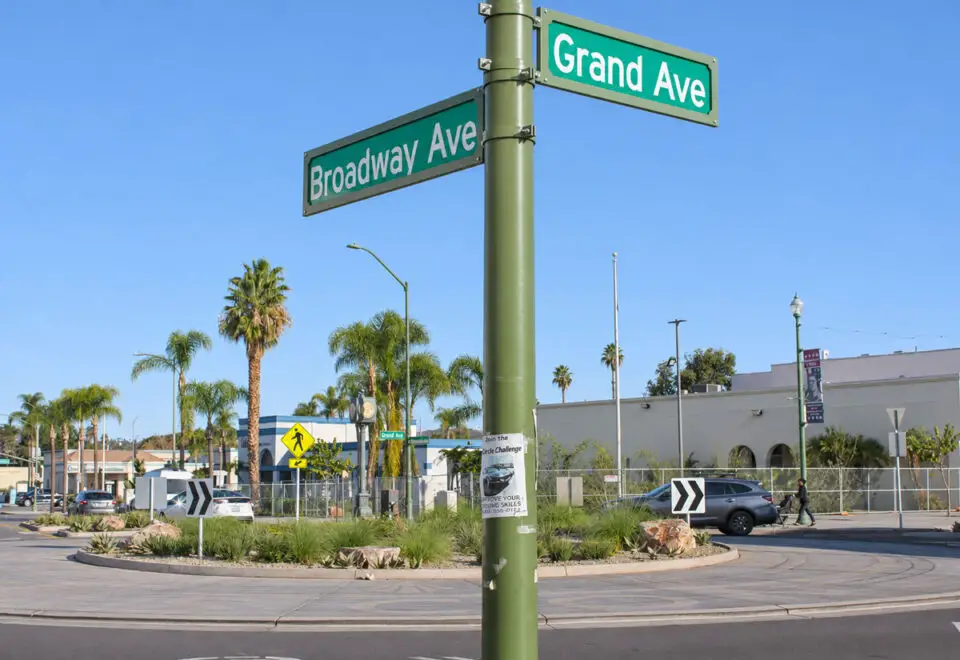
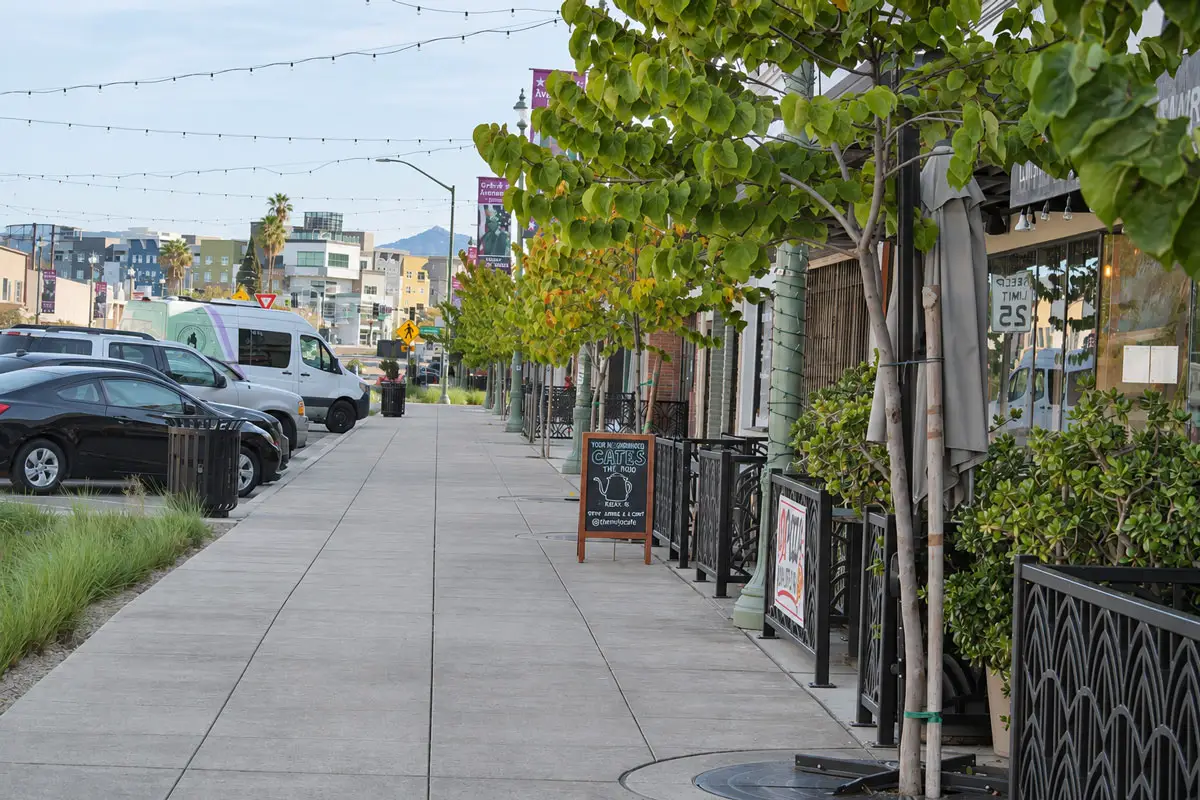
- $9.8 million for the second phase of the Grand Avenue Vision Project, which widened sidewalks between Maple and Juniper streets and added a traffic circle at Grand Avenue and Broadway
- $2.2 million for Escondido Creek Trail improvements
- $1.6 million for public access improvements, including sidewalk repairs throughout the city
- $1.35 million for premium pay for essential workers
- $675,000 to retrofit lighting at Ryan Park with LEDs
- $500,000 for dispatch center upgrades
- $450,000 for new equipment at the city-owned Reidy Creek golf course
- $346,000 for futsal courts at Washington Park
- $272,000 for technology upgrades
- $229,000 for ambulance gurneys
- $227,000 for city website upgrades
- $215,000 for renovations at Kit Carson Amphitheater
- $200,000 for an environmental review of the future El Caballo Park
- $97,000 for broadband infrastructure improvements
- $61,000 for an accessible city transportation vehicle
- $35,500 for other city expenses related to COVID-19
The city also allocated $10.5 million to address the pandemic’s economic effects. That included $6.2 million to fund library services for two years, $1.8 million to support the California Center for the Arts and $1.5 million for a city program that supports local nonprofits.
The city also set aside $592,000 to support downtown businesses, $228,000 for economic revitalization, development and tourism programs, $115,000 for agricultural technology development and $83,000 for crime prevention through environmental design and business facade improvements.
The remaining $10 million went into the general fund to support city services, including road construction and maintenance, health services, staffing and administrative facilities, environmental cleanup, and police, fire and other public safety services.
Christina Holmes, the city’s finance director, confirmed that the city expects to spend all the funds by the end of the year.
Council members praised what the city accomplished with the relief funds.
“It was great to see all the things we could accomplish,” said Councilmember Consuelo Martinez. “I’m glad we were able to spend the funding.”
Councilmember Judy Fitzgerald praised city staff for ensuring the projects were completed with the relief funds.
“The impact this has had on the overall quality of life and bringing our community together has been great, especially the public health part of it,” she said.