I love seeds! My obsession with collecting seeds is comparable only to a sport’s fan urge to collect team jerseys. Are you a “seed swapper,” or would you like to learn how to be one? I have had the recent good fortune of locating a number of sites that encourage gardeners to exchange seeds from others in many parts of the country.
SEED SWAP WITH SEED SAVERS EXCHANGE
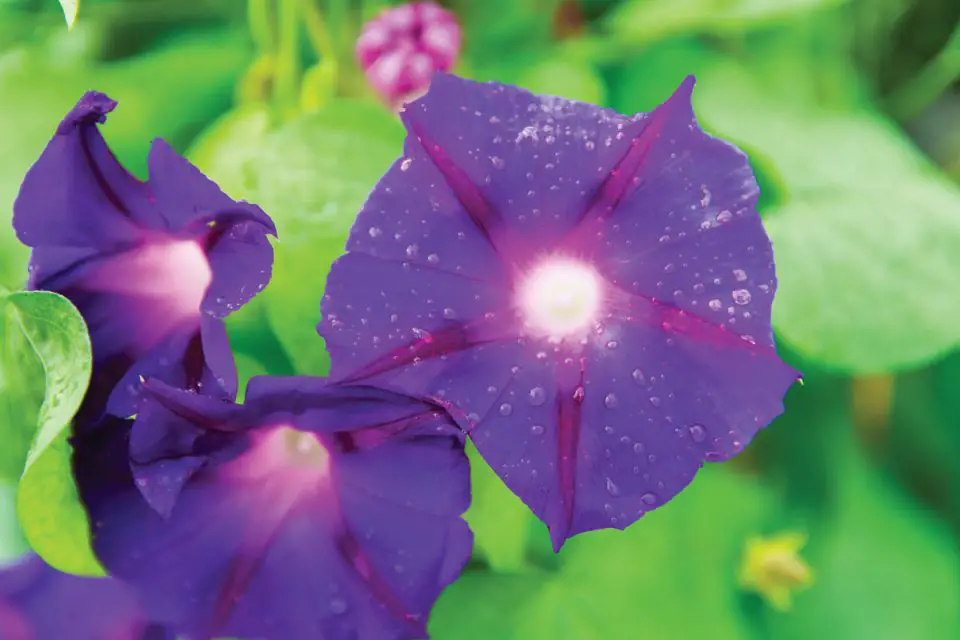
The Seed Savers Exchange in Decorah, Iowa, originated in 1975 when Diane and Kent Whealy were given two heirloom seeds, Grandpa Ott’s’ morning glory and German pink tomato, brought by Grandpa Ott’s parents in Germany.
They went on to form a network of gardeners, interested in preserving heirloom varieties, and Seed Savers Exchange now houses the largest nongovernmental seed bank in the country. It has 20,000 varieties of rare seeds, through the gardeners who join the exchange. To find out more, view www.seedsavers.org to become part of the process of seed preservation and collection.
Participants have saved thousands of rare heirlooms from extinction by connecting with new stewards to carry on seed-saving traditions to the next generation. Their website not only offers gardening advice and seed saver membership, but access to their heirloom seed catalogue.
SEED SWAP SITES TO FOLLOW
A seed swap is a gathering of people, usually gardeners and farmers, who have come together to share seeds. The Facebook page Seed Swap Group is a national site that encourages group members to share seed and ask questions of its members.
According to its administrators, “This group is for gardeners who want to learn more about new and old varieties, for free! Members can exchange or request a variety of seeds they are looking for, and will always get a response. Seeds are exchanged through the mail with a simple stamped self-addressed envelope as the only cost.”
In San Diego, the Facebook group Seed, Cutting, and Plant Swap lists plant materials, events and gatherings in the local area and allows members to share advice about plant propagation. Check the Facebook page weekly for ongoing events in your area.
PREPARE YOUR SEEDS FOR EXCHANGES
When you are ready to prepare your vegetables for a seed exchange, Seed Savers Exchange has given all gardeners the perfect set of steps to preserve organic seed. We will start with what is called “wet seed,” since these larger seeds are the easiest to collect.
Any seed from sweet or hot pepper and any winter squash can be processed in this way. For the beginning gardener, the rule of thumb is, “the bigger the seed, the easiest it is to process.” So, start with your pepper collection, or any pepper from a friend’s garden that originated from heirloom or organic seed.
This activity is best conducted outdoors on a large table, near a water source with hose. Or, if you have a workable space in your garage with a sink, you are ready to begin.
Supplies needed:
* Assortment of sweet peppers or mild spicy peppers (Hungarian, California sweet, lemon shishito). Do not process hot peppers without gloves and mask.
* Knife and cutting board
* Hose with spray or kitchen faucet spray
* Two fine mesh colanders
* Cookie sheets
Process:
- Lay out your ingredients on the table
- Slice pepper and open to expose seeds.
- Pull pepper seeds from the outer skin and place in colander
- Using a hose with sprayer, wash seeds to remove pulp
- Transfer to a second colander to dry
- Place on cookie sheet for 3-4 days until completely dry
- Place in small manilla envelopes (called coin envelopes) and store in a cool, dark location.
This process can be used for any winter squash, pumpkin, summer squash and gourds. In the following weeks we will feature other seed preservation methods for your vegetable and flower garden.
Enjoy your seed preservation process and enjoy meeting other gardeners through the websites and Facebook pages. Write to us at [email protected] if you have a group event or website to share. Happy gardening!
Jano Nightingale is a Master Gardener and horticulturist who teaches vegetable gardening at the Carlsbad Senior Center community garden. Contact her at [email protected].