CARLSBAD — To the mother of a son diagnosed with a disease that affects fewer than one in 100,000 live births, statistics can obscure the individual experience.
“I wish people understood that rare doesn’t mean less real,” said Varuna Gopalan in an interview with the Cure GM1 Foundation. “Or less painful.”
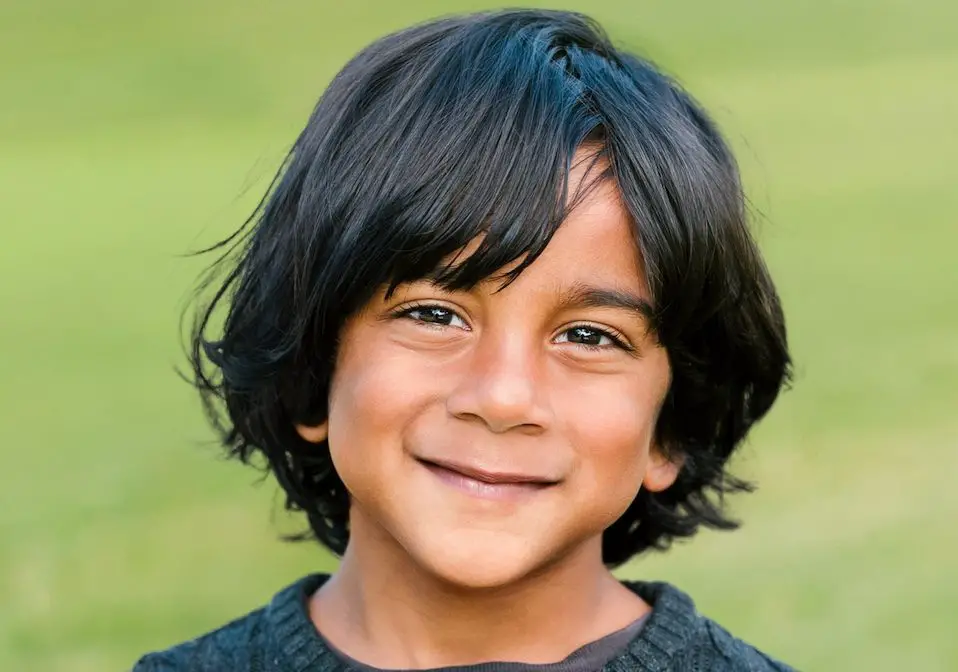
Gopalan’s son, Kiaan, 5, whom she described as witty, funny and full of life, was diagnosed with GM1 gangliosidosis, an extremely rare genetic disorder that gradually destroys nerve cells, causing children to lose abilities such as walking, speaking and eating.
“Through it all, he brings joy, light, and laughter into our lives — just by being who he is,” Gopalan said.
When he was diagnosed with GM1, Gopalan said even the doctor had never seen another case of the degenerative and fatal disorder, and it took the family time to adjust to the news.
“The reality slowly set in — our vibrant and joyful son would one day lose his ability to walk, talk, eat and understand the world around him,” Gopalan said. “His lifespan would likely be drastically shortened — mid-childhood to early adulthood. It’s impossible to describe how it feels to look at your child and know what lies ahead. The future we once planned and looked forward to became a timeline we feared.”
GM1 gangliosidosis is caused by mutations in the GLB1 gene, which normally produces an enzyme called beta-galactosidase. This enzyme helps break down fatty substances known as gangliosides.
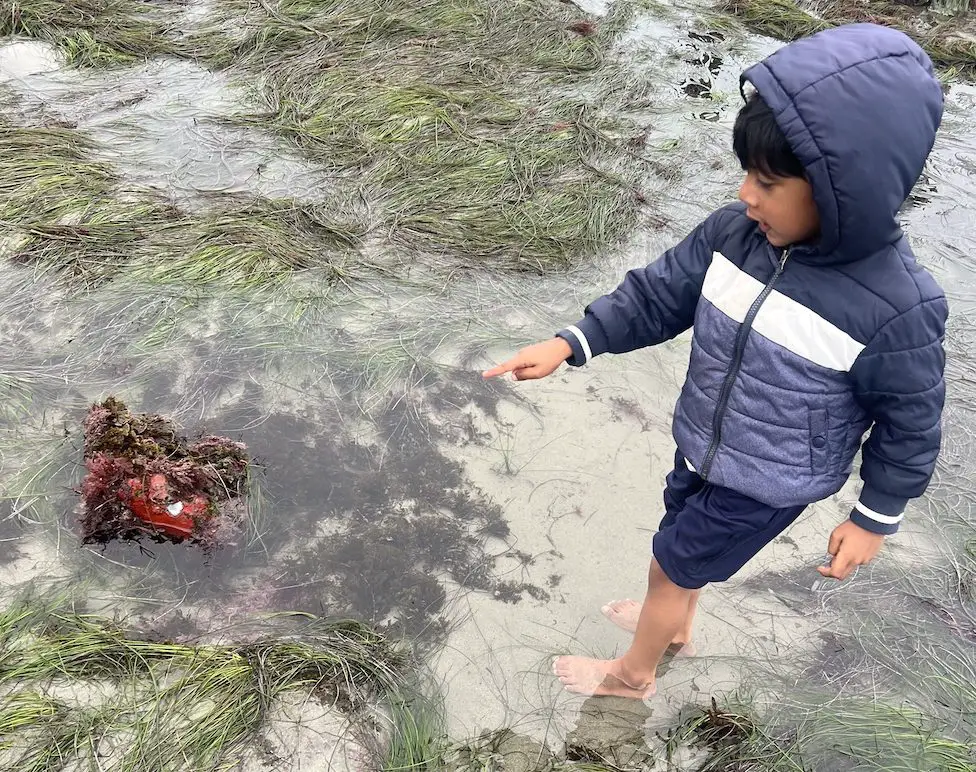
When the enzyme doesn’t work properly, GM1 gangliosides accumulate in nerve cells in the brain and spinal cord. The buildup can lead to progressive neurological damage, including developmental delays, loss of previously learned skills, muscle weakness, difficulty walking, speaking or swallowing, vision or hearing problems and seizures.
Kiaan, currently a kindergartener in Carlsbad, began a gene therapy trial last year through the National Institutes of Health. Gene therapy, which involves delivering a working copy of the GLB1 gene into cells, has shown promise in research over the last 20 years, according to the NIH.
“It’s been hard on him, and sometimes when he struggles, he says, ‘It’s all my fault,’” Gopalan said. “No child should ever feel that way.”
The NIH has identified around 7,000 rare diseases and estimates that between 25 million and 30 million Americans live with one.
Worldwide, more than 350 million people live with a rare disease — more than cancer and AIDS combined, according to the Global Foundation for Peroxisomal Disorders.
About 5% of rare diseases have treatments, according to the GFPD.
“For children with ultra-rare diseases like GM1, research is hope,” said Manmeet Patil, Kiaan’s father. “These breakthroughs do not happen without funding, advocacy and community support.”
Families and researchers are also exploring enzyme replacement therapy — which provides patients with the missing enzyme through regular treatments — to slow or halt the disease’s progression. As of early 2026, there are no FDA-approved treatments or cures for GM1 gangliosidosis.
The family asked that members of the community consider supporting the Cure GM1 Foundation for its research efforts and work connecting families.
“We are sharing Kiaan’s story so no child is forgotten simply because their condition is rare,” Patil said.
Related Articles:
- Election Q&A with Oceanside City Council candidates October 22, 2024
- Weekly Crime Reports: Encinitas, Del Mar, Solana Beach August 10, 2024
- Election Q&A with Carlsbad City Council, city… October 23, 2024
- Students allege major financial issues at Canyon… September 18, 2024
- Election Q&A with Encinitas Union school board candidates October 21, 2024
- Weekly Crime Reports: Encinitas, Del Mar, Solana Beach November 13, 2023