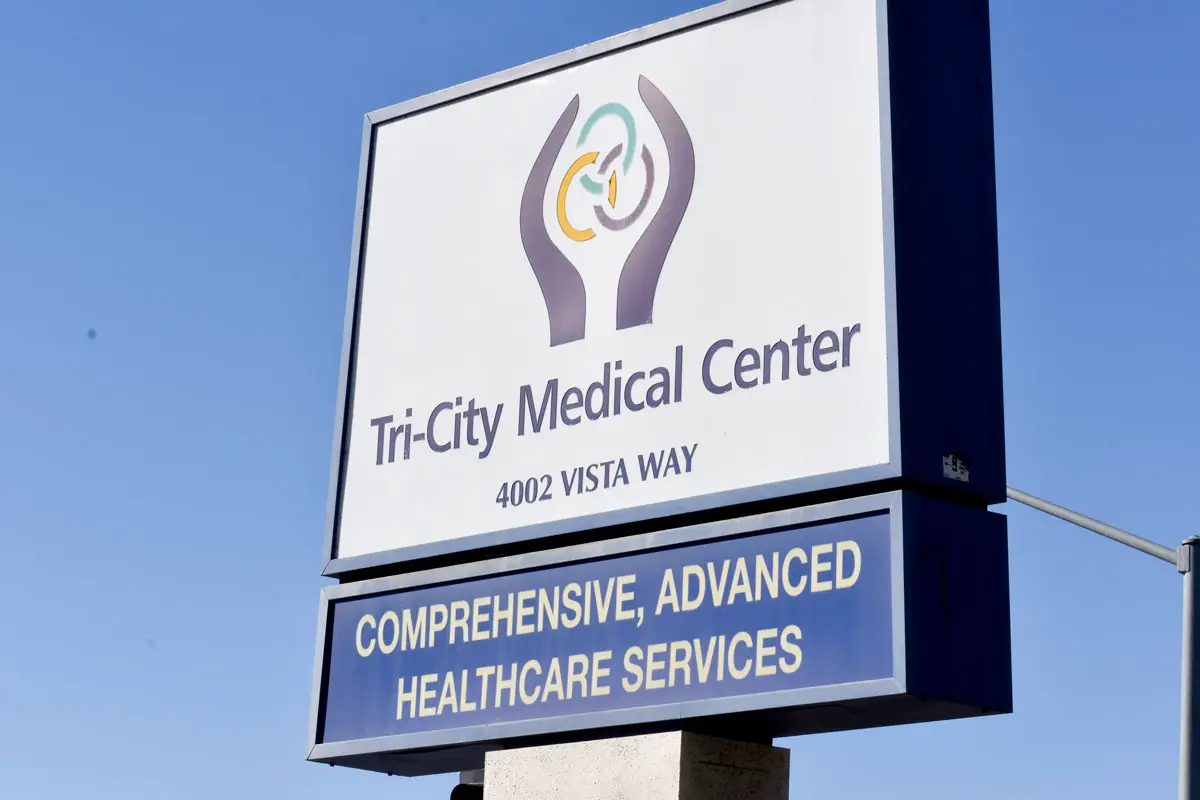
OCEANSIDE — After nine months of negotiations, UC San Diego Health has ended partnership talks with Tri-City Healthcare District, announcing that the hospitals’ joint plans to improve healthcare services in North County have collapsed.
Last October, following months of financial struggles and staffing shortages, the Tri-City board agreed to partner with UCSD Health, which had proposed to take over the hospital’s property, debt and staff. Before the agreement, Tri-City was forced to make several cuts to its services, including its labor and delivery unit.
Since then, UCSD Health and Tri-City leaders have been trying to finalize the agreement – however, negotiations have officially reached an impasse.
According to Tri-City CEO Dr. Gene Ma, UCSD Health had changed some key parameters from its original proposal that the health district could not accept.
Ma said the most significant of those changes was UCSD Health’s taking over management but leaving Tri-City with all the financial risk and responsibility during a five-year transition period.
Ma said the cost of running a UCSD Health facility is higher than Tri-City’s, and salary increases would have been prohibitive. Accordingly, a transition period was requested to allow Tri-City to absorb the costs gradually rather than all at once.
“The problem is, if we’re doing the transition, the financial responsibilities, the balance sheet, and the risk would all lie with us,” Ma said. “Meanwhile, UC San Diego Health would manage everything, but if that means running the hospital into the ground, unfortunately, the responsibility would still be on us — and there would be no way for this board to resolve that.”
Ma said the healthcare district’s attorneys had advised against the proposal, noting the hospital’s lenders wouldn’t likely approve of the deal either.
According to Ma, this wasn’t because Tri-City didn’t trust UC San Diego Health to run the hospital but rather because the big stakes proposed for the public healthcare district were too risky.
According to UC San Diego Health, its proposal for Tri-City included:
- $100 million infusion of cash within the first two years plus other financial supports, including a line of credit designed to protect the financial stability of the hospital during the first five years,
- Transferring all assets and liabilities to UC San Diego Health, including employment of the employees by UC San Diego Health by year five,
- Pay increases of more than 20% over the first three years for all Tri-City employees,
- A five-year plan for clinical program growth to include comprehensive cancer services with access to clinical trials and sub-specialty services as well as cardiovascular, neurological, pregnancy and behavioral health services,
- Infrastructure enhancements, capital equipment investments, and adoption of the Epic electronic medical record system.
“UC San Diego Health remains committed to serving the communities of North County and is continuing with planned expansion of healthcare services,” the healthcare organization stated in its announcement ending negotiations with Tri-City.
UC San Diego Health has a growing presence in Vista and Encintias and plans to open a 150,000-square-foot multispecialty care hub in Rancho Bernardo, which will offer primary care, comprehensive cancer care, ambulatory surgery, advanced imaging, rehabilitation services and 17 specialties.
UC San Diego Health was also recently ranked as the best hospital system in San Diego in the 2024-2025 US News and World Report Best Hospitals Survey. The health care provider is among the nation’s best in 11 adult medical and surgical specialties and received the “Honor Roll” designation, which is awarded to only 20 hospitals in the nation for exceptional patient care.
Before UC San Diego Health announced on July 26 that it had ended negotiations with Tri-City, Ma told The Coast News that other organizations had expressed interest in partnering with Tri-City, though he could not share their names.
According to Ma, Tri-City had hoped to continue negotiations with UCSD Health and would not start talks with other organizations until it was clear that an impasse had been reached.
UCSD Health presented a revised proposal at the most recent Tri-City board meeting on July 19; however, the board was still unable to accept it.
Ma also said the Tri-City Healthcare District’s financial standing had improved significantly over the last nine months thanks to “hard decisions,” including cutting labor and delivery. The hospital also ceased relying on traveling nurses and converted all of its nursing staff to permanent positions, which helped save money and improved its overall workflow efficiency.
“We’re well on the road to recovery,” Ma said.